
Explore Captain Cook
This quaint South Kona community offers more secluded living, but with easy access to shopping and dining. A highlight of the region are the protected waters of Kealakekua Bay; the bay’s protected waters make for a snorkeling and diving paradise, and it is an easy kayak paddle over to the Captain Cook Monument. The area offers local color at the Annual Kona Stampede Rodeo and live theater at the historic Aloha Theater.
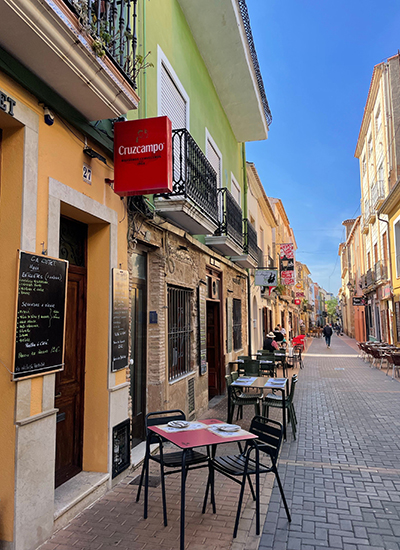
Top Restaurants
Top Restaurants
- Manago’s Restaurant
- The Coffee Shack
- Black Rock Pizza
- Kaaloa’s Super J’s
- Shaka Tacoz
- Honaunau Poke Shop
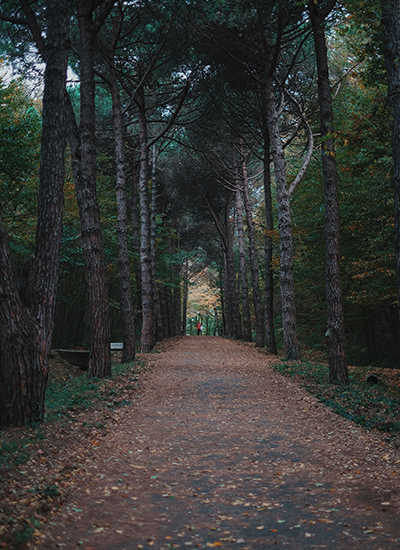
Outdoor Activities and Nature
Outdoor Activities and Nature
- Honaunau Bay for snorkeling
- Amy Greenwell Ethnobotanical Garden
- Kealakekua Bay State Historic Park
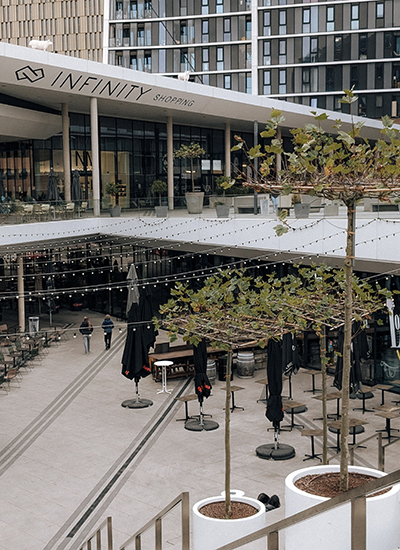
Shopping and Local Businesses
Shopping and Local Businesses
- Kealakekua Ranch Center
- Pure Kona Green Market
- Kona Chips
Attractions or Things To Do
Attractions or Things To Do
- Pu`uhonua o Honaunau National Historic Park
- Greenwell Farms Coffee Tour
- Kona Historical Society Museum
- Kona Coffee Living History Farm
- Big Island Bees
Captain Cook Real Estate


Captain Cook
Community FAQ
Captain Cook is a census-designated place in the South Kona District on the western side of Hawaiʻi Island, along the slopes above Kealakekua Bay, on Māmalahoa Highway (Highway 11). Its primary ZIP code is 96704, though some nearby addresses use a Kealakekua (96750) ZIP even when locally considered part of Captain Cook. The community sits within the Kona Coffee Belt, bordered by Kealakekua, Hōnaunau-Nāpōʻopoʻo, and Kainaliu.
Captain Cook is roughly 12 miles (20-25 min) from Kailua-Kona, a few miles from Kealakekua Bay via Napoʻopoʻo Road, about 89 miles (~2 hrs) from Hilo, and roughly 20 miles (30-40 min) from KOA.
Daily life has a slower, more rural pace than the resort areas of Kona. Many residents commute to Kailua-Kona for work and shopping while relying on smaller local markets and farm stands closer to home. The community has a strong agricultural presence, particularly coffee farming, with a mix of longtime local families, transplants, and part-time residents.
Fit depends on individual priorities. Retirees and remote workers often value the quiet, lower-density setting, provided they're comfortable with a car-dependent, rural lifestyle and confirm reliable internet for a specific property. Families should research school assignments and commute distances. Visiting the specific property is recommended to assess fit.
Market conditions — inventory, pricing trends, days on market — change regularly. Please contact the Hawaii team for current market conditions at [ai_phone href="+1.808.913.0899"]808.913.0899[/ai_phone].
Most residential real estate is fee simple, though leasehold arrangements exist elsewhere in Hawaiʻi and shouldn't be assumed.
Captain Cook offers single-family homes, agricultural properties with a residence (often including coffee trees), vacant land, and, less commonly, condos or multi-unit properties. Lot sizes and styles vary widely by elevation, from smaller in-town lots to larger upslope acreage.
Cost of living on Hawaiʻi Island, including Captain Cook, is generally higher than the mainland average, largely due to shipping and housing costs.
Captain Cook has a mild upland climate, generally cooler, cloudier, and wetter than coastal Kailua-Kona due to its higher elevation (roughly 1,200-1,300 ft in town, ranging 800-2,000 ft across the CDP). This is a common pattern on the leeward Kona side, where rainfall increases with elevation.
Captain Cook and neighboring South Kona towns have small local markets, shops, and restaurants, with more extensive options in Kealakekua or Kailua-Kona. The area offers hiking, snorkeling, and diving nearby, most notably at Kealakekua Bay, plus coffee farm tours reflecting the region's role in the Kona Coffee Belt.
The Konawaena school complex — Konawaena Elementary, Middle, and High School — serves the greater Kealakekua/Captain Cook area, with the middle/high campus straddling both CDPs.
Kona Community Hospital in nearby Kealakekua is the closest hospital, offering 24-hour emergency and acute care.
Yes. Most residents rely on a personal vehicle given the rural layout, limited sidewalks, and distances between homes, services, and employment centers. While Hawaiʻi County's Hele-On Bus serves Highway 11, it typically doesn't cover all trip types or timing most residents need.
Water access varies by property — some connect to the Hawaiʻi County Department of Water Supply, others rely on catchment or hauled water. Many homes use septic systems or, on older properties, cesspools, since sewer service is limited. State law requires cesspools statewide to be upgraded, converted, or closed by January 1, 2050.
STVR legality depends on a property's specific zoning and permitting history. Hawaiʻi County generally restricts new short-term rentals to resort, commercial, or resort-node areas, and a 2024 court ruling upheld a county ban on agricultural land. Some older properties may hold a Non-Conforming Use Certificate. This is general information, not legal advice.
Buyers should typically investigate access and easement rights, water source, wastewater system type and compliance, zoning and permitted uses, and flood/lava zone status. Working with a real estate professional, title company, and, where appropriate, a surveyor or attorney is recommended given how much these factors vary across the area.
Captain Cook is generally mapped within USGS Lava Flow Hazard Zone 2 (relatively elevated long-term hazard), reflecting its position downslope from active Mauna Loa and Hualālai rift zones. Its elevation places most of the community above typical tsunami evacuation zones, though lower-elevation areas near the coast would be more exposed. Vog exposure depends on wind patterns and current volcanic activity.
Agriculture (particularly coffee farming), tourism-related work in nearby Kailua-Kona, and local services form the core of employment opportunities.
Captain Cook can work as a remote-work base provided reliable internet is confirmed for a specific property, since availability varies across this rural area. Remote workers should weigh the distance to Kailua-Kona's larger business infrastructure against the appeal of a quieter setting.
Captain Cook offers a quieter, more rural setting than Kailua-Kona, with cooler temperatures, more greenery, and proximity to Kealakekua Bay, while remaining a manageable drive from Kailua-Kona's shopping and airport. Tradeoffs include heavier reliance on driving, more limited access to specialized healthcare, and infrastructure like catchment water or septic systems that require more owner involvement. Someone relocating should research property-specific water, wastewater, and zoning details, and visit in person before purchasing.