
Explore Puakō
With its crystal clear blue waters and spectacular coral reef, Puako Bay offers the perfect spot for top-notch snorkeling or diving. A small, intimate, oceanfront community on the Kohala Coast, Puako is one of the driest areas on the Island and rates as one of the most pleasant places in Hawai`i. Fish, snorkel, paddle board or hike the nearby Puako Petroglyph Park to see over 2,000 ancient rock carvings.
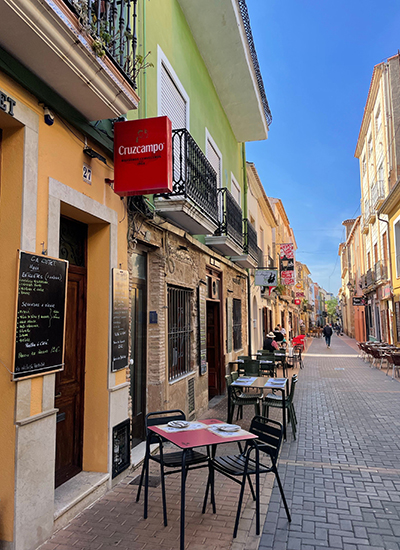
Top Restaurants
Top Restaurants
- Puakō General Store
- Cipriano’s Kitchen (Kawaihae)
- Seafood Bar (Kawaihae)
- Tommy Bahama’s Restaurant (Mauna Lani Resort)
- Napua at Mauna Lani
- CanoeHouse (Auberge at Mauna Lani)
- Brown’s Beach House (The Fairmont Orchid)
- Meridia (Westin Hapuna Beach Hotel)
- The Copper Bar (Mauna Kea Beach Hotel)
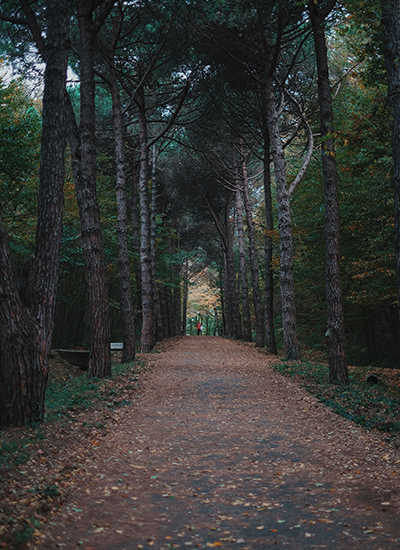
Outdoor Activities and Nature
Outdoor Activities and Nature
- Puakō Petroglyph Park
- Puakō Public Beach Access
- Waialea Beach
Shopping and Local Businesses
Shopping and Local Businesses
- Puakō General Store
Attractions or Things To Do
Attractions or Things To Do
- Hamakua Macadamia Nuts (Kawaihae)
- Harbor Gallery (Kawaihae)
- Pu`ukoloā Heiau National Historic Site (Kawaihae)
- Spencer Beach Park
- Hapuna Beach State Recreational Area
Puakō Real Estate


Puakō
Community FAQ
Puakō is a small, low-lying coastal community in the South Kohala District on the leeward (western) side of Hawaiʻi Island, along the Kohala Coast. It sits directly on the shoreline, with a ZIP code of 96743.
Puakō is bordered by the Mauna Lani resort area to the south and is a short distance from Waikoloa and its resort corridor, with Kawaihae Harbor and small boat harbor a few miles to the north. Kamuela (Waimea) sits inland to the east and functions as the closest full-service town for the area.
Puakō is a small, quiet residential enclave known for its direct oceanfront setting, tide pools, snorkeling reef, and the nearby Puakō Petroglyph Archaeological Preserve. Unlike the resort areas nearby, Puakō has no hotels or large commercial development, giving it a low-key, close-knit residential character. Daily life typically involves traveling to Waimea, Waikoloa, or Mauna Lani for shopping, dining, and other services, since Puakō itself has very limited commercial infrastructure.
Puakō includes both full-time residents and part-time or vacation homeowners, though its small size (267 residents at the 2020 Census, down from 772 in 2010) suggests a significant share of properties may be used seasonally or as second homes.
Market conditions in Puakō — including inventory, pricing trends, and days on market — change regularly and should be confirmed with current MLS data or a local real estate professional rather than general online sources. Please contact the Hawaii team for current market conditions at [ai_phone href="+1.808.913.0899"]808.913.0899[/ai_phone].
Most residential real estate in Puakō is generally fee simple, meaning the buyer owns the land outright, though this should not be assumed for any specific property without verification.
Puakō includes a mix of older beach cottages dating to earlier decades of development, along with newer custom-built homes on oceanfront or near-oceanfront lots. Given the community's small size and shoreline location, most properties are single-family residential rather than condominiums or multi-family buildings.
Cost of living in Puakō, particularly housing costs, may run higher than many other Hawaiʻi Island communities given its direct oceanfront setting and proximity to the Kohala Coast resort corridor, though general cost-of-living figures like groceries and utilities reflect the broader higher costs common across Hawaiʻi Island due to shipping and isolation.
Puakō has a warm, dry, and sunny climate typical of the leeward Kohala Coast, generally receiving less rainfall than upland or windward parts of the island. Its low elevation and coastal position place it in a similar dry microclimate to nearby Waikoloa and the Kohala Coast resorts, in contrast to the cooler, cloudier, and wetter conditions found upcountry in Waimea.
Puakō itself has minimal commercial development, so residents typically travel to nearby Waikoloa, Mauna Lani, or Waimea for grocery shopping, dining, and other retail needs.
Puakō is well known for its shoreline recreation, including snorkeling and diving along its extensive fringing reef, exploring rocky tide pools, and visiting the Puakō Petroglyph Archaeological Preserve, a roughly 223-acre site with an estimated 3,000 or more ancient Hawaiian rock carvings dating back centuries.
Given Puakō's location in South Kohala, students are generally expected to attend schools in the Waimea area, including Waimea Elementary and Waimea Middle School for public education, with Hawaii Preparatory Academy and Parker School available nearby as private options.
North Hawaii Community Hospital, located in Waimea, is the closest hospital to Puakō, offering acute care and emergency services to the surrounding South Kohala and North Hawaiʻi region.
Puakō is roughly 25 miles from Kona International Airport, typically about a 30-40 minute drive, and roughly 17 miles from the smaller Waimea-Kohala Airport. Waimea is a somewhat shorter drive inland, while Kailua-Kona requires traveling the full coastal distance. Most residents rely on a personal vehicle, given Puakō's limited local services and distance from larger commercial centers.
Water access in Puakō varies by property and should be confirmed individually through the Hawaiʻi County Department of Water Supply. Wastewater is a particularly significant issue in Puakō specifically: many of the community's roughly 300 shoreline properties have historically relied on cesspools and septic systems, and studies have linked this inadequate wastewater treatment to substantial sewage pollution affecting the community's nearshore coral reef, prompting county funding and community efforts (including a Puakō-based nonprofit) toward a shared low-pressure sewer system as an alternative. State law also requires cesspools statewide to be upgraded, converted, or closed by January 1, 2050.
Internet options in Puakō may include DSL, cable, fiber, or satellite service (such as Starlink), depending on the specific property, and Hawaiian Electric provides electric service to the area.
STVR legality in Puakō varies within the community: a small area near the entrance is zoned Resort and may allow vacation rental use, while most of Puakō is zoned Residential, where short-term rentals are generally only permitted if the property was operating as a rental before applicable rules took effect and holds a valid Non-Conforming Use Certificate. Hawaiʻi County has also implemented registration requirements for existing short-term rental operators under recent ordinances. This is general information, not legal advice.
Before purchasing property in Puakō, buyers should typically investigate the property's current wastewater system and any obligations tied to planned sewer infrastructure improvements, shoreline setback requirements, flood and tsunami zone status, zoning and STVR eligibility, and any coastal access or erosion considerations specific to oceanfront and near-oceanfront lots. Working with a licensed real estate professional, title company, and, where appropriate, a surveyor or attorney is recommended given the property-specific nature of these issues in a small coastal community.
Yes, tsunami and coastal flooding are meaningful considerations for Puakō given its low-lying, direct oceanfront position; portions of the community, including Puakō Beach Drive, fall within mapped tsunami evacuation zones under Hawaiʻi's state and county tsunami planning maps. In terms of lava flow hazard, Puakō's location near the boundary of the Kohala and Mauna Kea volcanic areas is generally associated with a lower long-term lava hazard rating than areas closer to Hualālai, Mauna Loa, or Kīlauea, though this is separate from the area's coastal flood and tsunami exposure.
Puakō offers a quieter, more residential, non-resort alternative to nearby Mauna Lani and Waikoloa, with direct beach and reef access and a close-knit community feel, while still being a manageable drive from those areas' shopping, dining, and resort amenities. Tradeoffs include very limited local commercial services, a real and actively addressed wastewater/reef pollution issue that affects both environmental quality and property-level infrastructure planning, and coastal hazard exposure, including tsunami risk, given the community's low-lying oceanfront setting. Someone relocating from the mainland should research these property-specific and community-wide issues directly, visit in person, and consult a local real estate professional and appropriate county resources before purchasing.