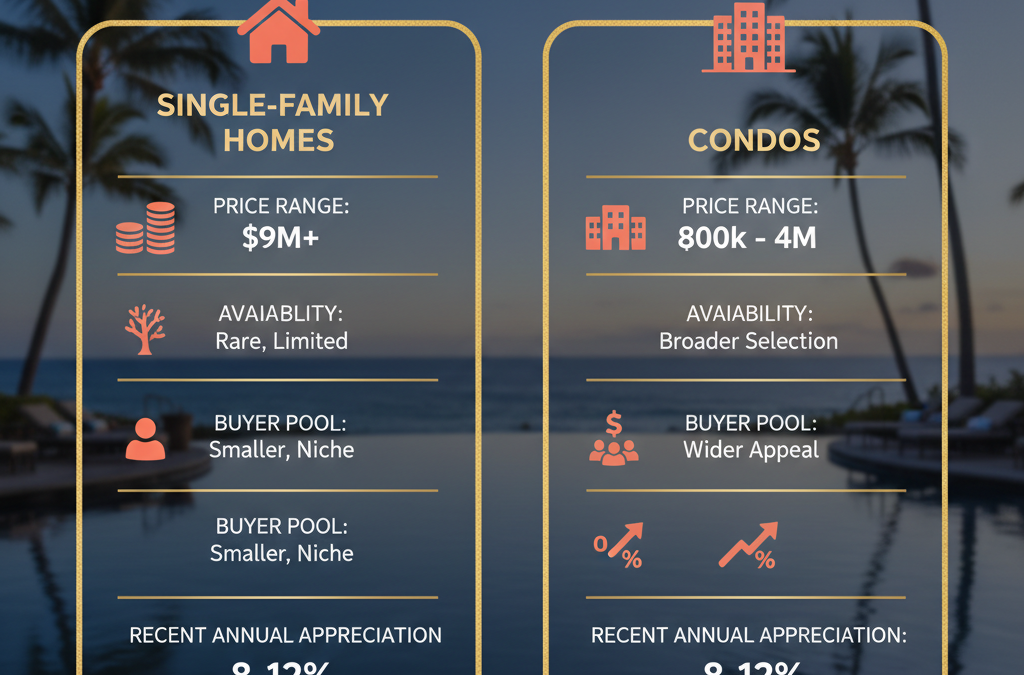
Quick answer: For high-net-worth investors on the Kona–Kohala Coast, a single-family home—particularly within established luxury resorts—tends to be a more appealing, usable, and consistently appreciating investment than raw land. This is largely due to the complexity, timelines, and regulatory hurdles involved in new construction in Hawaiʻi County.
Key takeaways: investing in Kona–Kohala Coast real estate
- Single-family homes often outperform raw land: Luxury homes, especially within resorts, can offer stronger demand, immediate utility, and a clearer path to value compared to undeveloped parcels.
- Building can be difficult: Permitting and regulatory requirements in Hawaiʻi County can be time-consuming and costly, which may deter raw-land development.
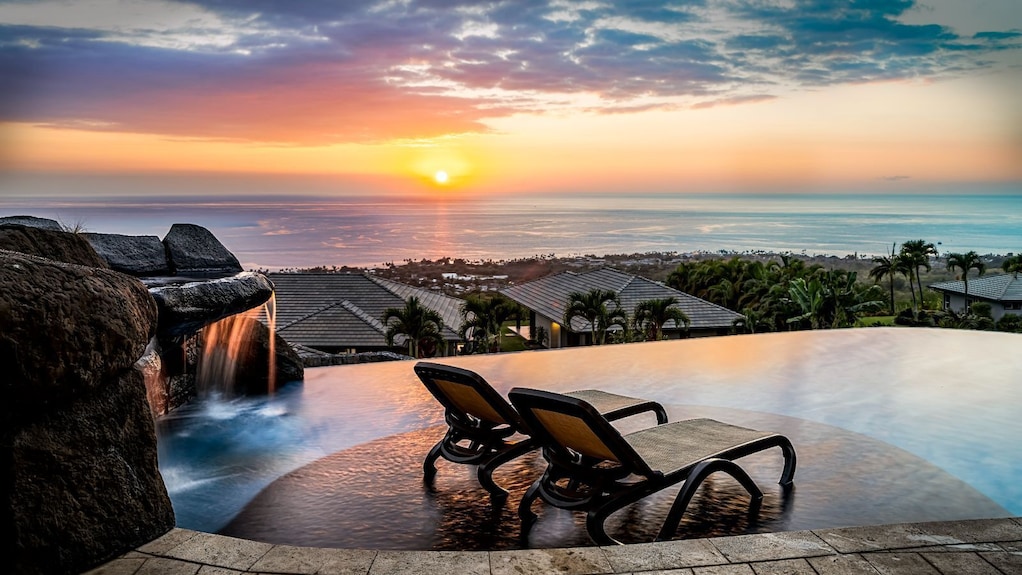
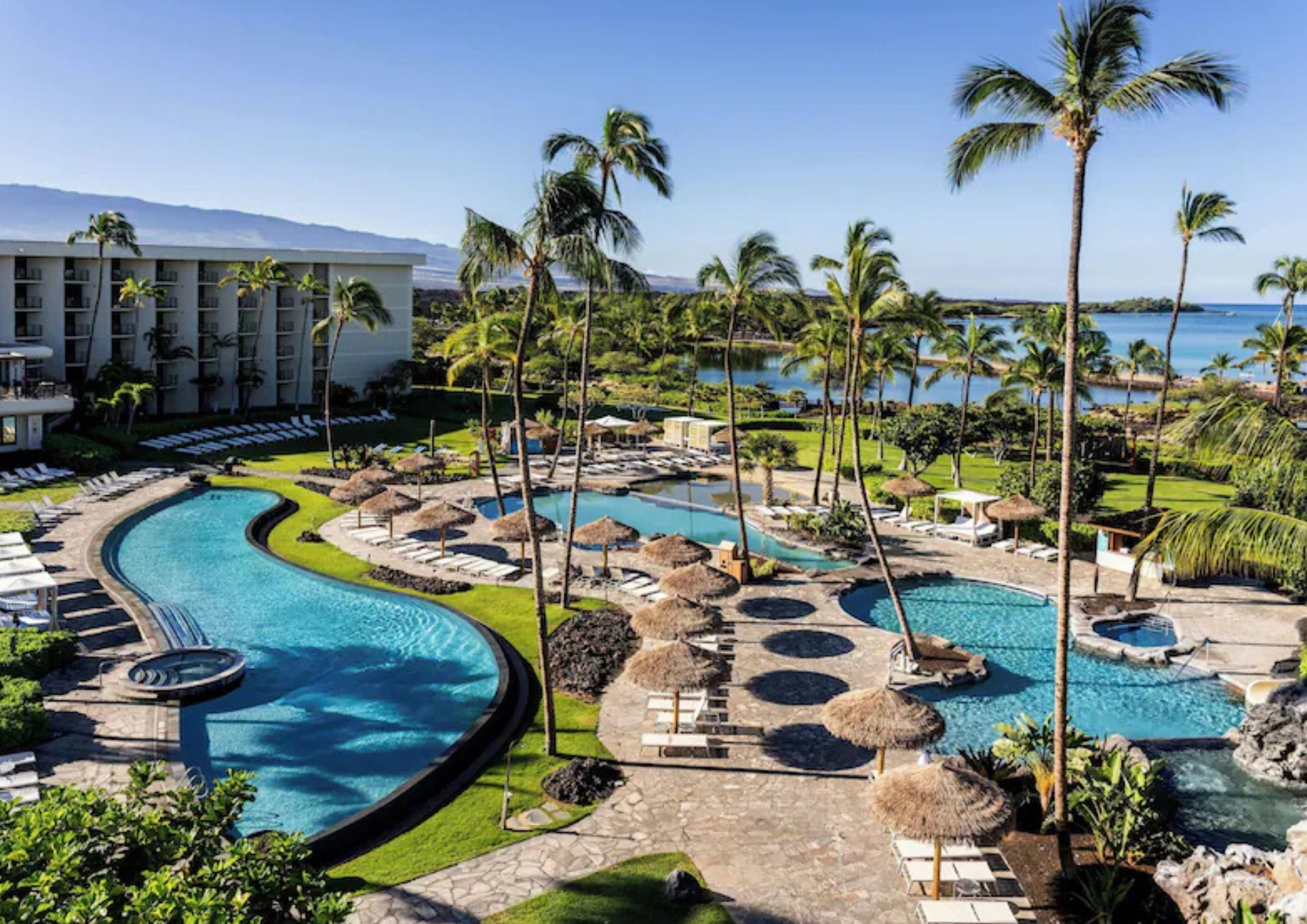
- Resort properties can offer stability and growth: Areas such as Waikoloa Beach Resort, Mauna Kea Resort, and Hualālai are frequently sought after for their amenities and lifestyle appeal.
- Agricultural land can be challenging: Larger agricultural parcels may involve additional regulations, operational complexity, labor constraints, and pest-control realities.
- Many investors prefer turnkey solutions: High-net-worth buyers often prioritize ready-to-enjoy assets over speculative development projects.
Over nearly two decades selling luxury homes on the Kona–Kohala Coast, I’ve worked with hundreds of high-net-worth investors. One of the most common questions I hear is: “Should I buy a single-family home or raw land for investment here in Hawaiʻi?”
The answer isn’t magic—it’s a system. What I call the Polimino Investment Clarity System is the result of years of testing and refinement. Instead of describing the system in the abstract, here are three of the most common questions I receive about choosing between luxury homes and raw land, along with the straightforward reasoning behind each.
Why is it so hard to build a new luxury home on the Kona–Kohala Coast?
Quick answer: Building a new luxury home on the Kona–Kohala Coast can be difficult due to strict regulations, complex permitting, and extensive requirements that can extend timelines and raise costs.
This isn’t just a personal opinion. Many owners and builders can attest that the permitting and approval process can be demanding, with layers of documentation and agency coordination. In practice, that bureaucracy can extend timelines and increase costs, which is one reason the Polimino Investment Clarity System often steers clients toward existing luxury homes rather than raw land intended for development.
Real example (timeline and budget): I’ve seen clients start with an expected 18–24 month timeline and still be navigating permitting and construction three to five years later. Budgets can also increase by 20–30% due to delays and compliance-related costs.
What are the biggest risks of buying raw agricultural land on the Big Island for investment?
Quick answer: The biggest risks include regulatory complexity, workforce challenges, and the operational realities of farming in Hawaiʻi’s climate, making agricultural land less straightforward than residential property for many investors.
Large agricultural parcels can look attractive on paper, but turning them into a productive, profitable operation can be far more complex than many buyers expect. Agricultural requirements and compliance costs can be significant, and securing a reliable workforce is often difficult. Add pests, variable weather, and the logistics of producing and selling goods in a competitive market, and the risk profile changes quickly. For these reasons, the Polimino Investment Clarity System advises caution unless you have a well-funded, long-term plan for agricultural use and operations.
Real example (carrying costs): Some investors spend roughly $50,000–$100,000 per year to maintain land and meet ongoing requirements, without generating significant income.
How much appreciation can I expect from a luxury single-family home in a Kona–Kohala Coast resort?
Quick answer: Luxury single-family homes within established resort areas can experience meaningful appreciation over time. Exact performance varies by property, micro-market, and economic conditions.
This is where the Polimino Investment Clarity System can help investors compare risk and reward in a practical way. A well-located luxury single-family home in a premier resort community can offer both lifestyle utility and the potential for appreciation, along with the possibility of rental income in areas where it is permitted and appropriately managed. While specific annual appreciation rates vary, the core advantage is that the asset is immediately usable and typically easier to evaluate than a speculative development timeline on raw land.
Real example (illustrative math): A $5,000,000 home appreciating at 6% in one year would increase in value by $300,000. Over five years at the same rate (compounded annually), that would be approximately $1,691,000 in added value, not including any rental income or personal-use benefits.
The bottom line: invest in a luxury home on the Kona–Kohala Coast
For many high-net-worth investors, the most practical path on the Kona–Kohala Coast is acquiring a luxury single-family home within a resort community. The challenges of building, the operational realities of agricultural land, and the lifestyle-and-demand profile of established resort properties often make turnkey homes the more prudent choice. The Polimino Investment Clarity System is designed to help you weigh these options in a way that aligns with both financial goals and lifestyle priorities.
I would not be surprised to see demand for turnkey luxury homes in prime resort communities continue to outpace supply, supporting long-term value for well-positioned properties. We would be honored to be of service.
Frequently asked questions
Q: What are the main risks of buying raw land in Hawaiʻi?
A: Common risks include permitting complexity, long development timelines, infrastructure costs (utilities, access, water, wastewater), and potential regulatory changes. With agricultural land, additional considerations can include operational requirements, labor availability, pests, and market viability.
Q: Which resorts offer strong appreciation potential for luxury homes on the Kona–Kohala Coast?
A: Resort areas such as Waikoloa Beach Resort, Mauna Kea Resort, Hualālai, and Kukio are frequently in demand due to location, amenities, and lifestyle appeal. Actual appreciation varies by neighborhood, property condition, and market cycle.
Q: How long does it typically take to build a custom luxury home on the Big Island?
A: Timelines vary widely. While initial estimates may be 18–24 months, it can take significantly longer depending on permitting, design revisions, contractor availability, material lead times, and site conditions.
Q: Can I generate rental income from a luxury single-family home in a Kona–Kohala Coast resort?
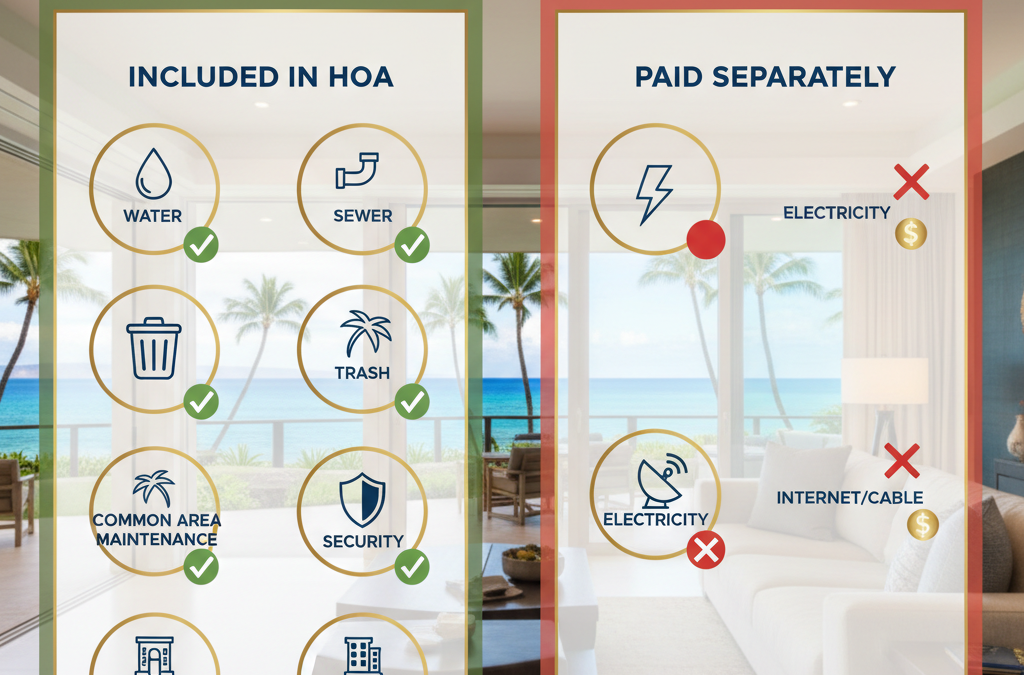
A: Potentially, depending on zoning, HOA rules, permitting requirements, and the type of rental use (short-term vs. long-term). Many resort-area homes are attractive to renters where vacation rental use is allowed and properly managed.
Q: Is it true that “they’re not making more land,” so raw land is always a good investment?
A: Land is finite, but usability and developability matter. In Hawaiʻi, permitting, infrastructure, zoning, and buildability constraints can significantly affect whether raw land performs as well as a well-located, immediately usable home.