Quick Answer: To avoid the “Keeping Up With The Joneses” trap in Hawaii luxury real estate, focus on your personal financial goals and needs, not external pressures. Prioritize properties that align with your budget and lifestyle, and consult with a local expert who provides data-driven advice rather than succumbing to competitive spending.
Key Takeaways: Smart Luxury Real Estate Decisions in Hawaii
- Personalized Strategy: Base your Hawaii luxury home purchase on your financial plan and lifestyle, not on what others are buying.
- Data-Driven Choices: Utilize local market data and expert insights to make informed investment decisions, avoiding emotional overspending.
- Long-Term Value: Focus on properties that offer sustainable value and meet your specific needs, whether for personal use or rental income.
- Expert Guidance: Partner with a Kona-Kohala Coast realtor who prioritizes your financial well-being over simply closing a deal.
- Financial Freedom: Embracing a disciplined approach leads to greater peace of mind and long-term enjoyment of your Hawaii investment.
Over nearly two decades selling luxury homes on the Kona-Kohala Coast, I’ve worked with hundreds of affluent individuals considering Hawaii as a second home or vacation rental investment. One of the most common questions I hear is: “How can I ensure I’m making a smart financial decision and not just getting caught up in the excitement or competition?”
The answer isn’t magic—it’s a system. What I call the Polimino Prudent Investment Framework is the result of years of testing, refinement, and proven results. Rather than simply explaining the system, here are the five most common questions buyers ask about avoiding the “keeping up” trap, along with honest answers that explain exactly what we do differently.
Is “Keeping Up With The Joneses” a real concern for luxury buyers in places like Hualalai or Mauna Kea?
Absolutely. It is a very real concern even at the highest levels of luxury real estate. The desire to match or exceed what neighbors or peers possess can influence purchasing decisions. Some buyers stretch their budgets for a larger home or a more exclusive club membership at places like Hualalai Resort or Mauna Kea Resort, not because it fits their needs, but because it feels like the expected standard.
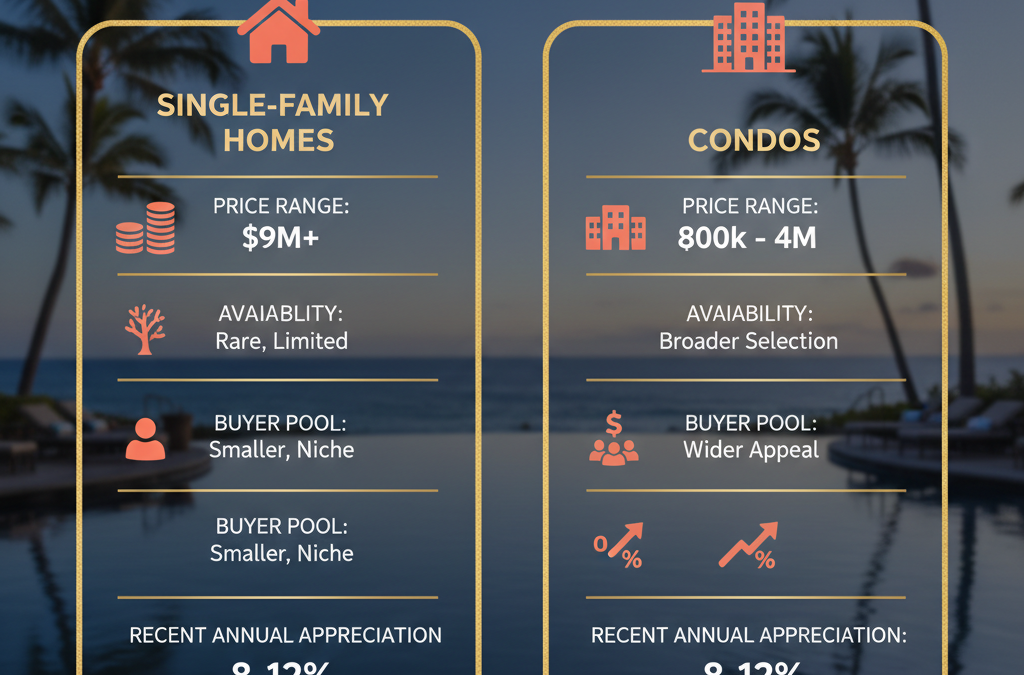
This pressure can lead to overspending, taking on more debt than comfortable, or overlooking properties that are a better financial fit. The Polimino Prudent Investment Framework emphasizes a clear assessment of personal financial capacity and long-term goals so decisions are based on planning rather than social comparison. For example, while a beachfront estate may be appealing, a luxury ocean-view villa can often provide a similar lifestyle at a far more sustainable price point.
What are the financial risks if I get caught up in competitive spending for a Hawaii second home?
Competitive spending can create serious financial strain. The most immediate risk is overpaying for a property, which reduces your equity and potential appreciation from the start.
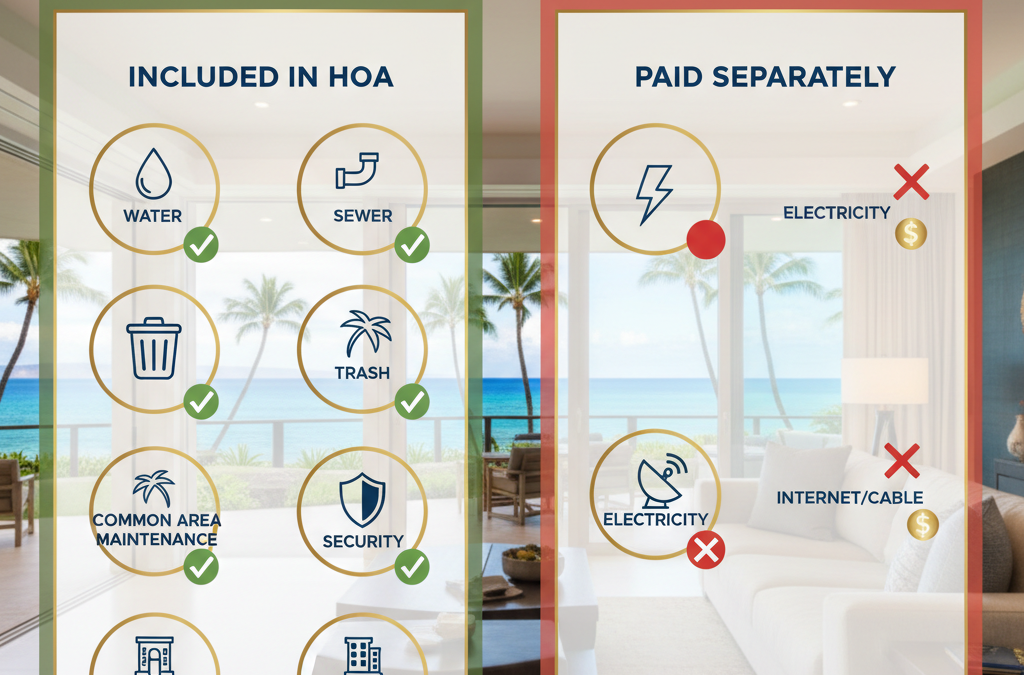
Luxury homes on the Kona-Kohala Coast also come with substantial ongoing expenses such as property taxes, HOA fees, maintenance, and insurance. These costs can easily exceed $100,000 annually for high-end properties. Buyers who stretch their finances to purchase a home may struggle with these continuing expenses.
In many cases, overextended buyers end up selling sooner than planned and sometimes at a loss if market conditions shift. Careful cost projections ensure the investment remains enjoyable rather than stressful.
How can a local Kona-Kohala Coast realtor help me make financially sound decisions?
A knowledgeable local realtor provides unbiased, data-driven insights that help buyers make informed decisions. The Polimino Prudent Investment Framework prioritizes long-term financial well-being rather than simply completing a transaction.
This includes detailed market analysis, comparable sales data, historical appreciation trends, and projections of carrying costs for specific communities. With this transparency, buyers can understand the true cost and value of a property.
Local expertise can also highlight homes with stronger rental income potential or lower HOA fees. In many cases, a better-value property in a nearby community may offer superior financial performance while still meeting lifestyle goals.
What are the signs I might be “Keeping Up With The Joneses” with my real estate choices?
One major sign is feeling pressured to buy a larger or more expensive property simply because others have done so. Another warning sign is prioritizing status symbols—such as a prestigious address or exclusive membership—over practical considerations like budget, lifestyle needs, or rental potential.
If your justification for a purchase revolves around what others might think rather than what truly aligns with your financial goals, it may indicate social pressure influencing your decision.
The Polimino Prudent Investment Framework encourages buyers to define their motivations and financial boundaries clearly. If a significantly more expensive property adds little real value beyond perceived status, it may not be the most prudent choice.
How do I balance my desire for luxury with financial prudence when buying in Hawaii?
Balancing luxury with financial responsibility requires a thoughtful strategy.
First, identify your essential luxury features and distinguish them from optional preferences. Second, establish a clear budget that includes not only the purchase price but also property taxes, HOA fees, insurance, maintenance, and potential renovation costs.
Third, analyze local market data to identify properties offering strong value. Sometimes a well-maintained home that is slightly older can deliver comparable luxury at a much lower cost.
Finally, evaluate long-term investment potential. A property with strong rental demand or appreciation prospects can often be a wiser luxury investment than a more expensive option with limited income potential.
The Bottom Line: Smart Choices for Your Hawaii Dream
Navigating the luxury real estate market on the Kona-Kohala Coast requires more than capital. It requires strategy and a trusted advisor. By focusing on personal financial goals, using data-driven insights, and resisting comparison with others, buyers can secure a Hawaii second home that delivers both lifestyle enjoyment and long-term financial value.
I would not be surprised to see more buyers prioritizing long-term value and personal fulfillment over perceived status in the coming years. We would be honored to be of service.
Frequently Asked Questions
Q: How can I make financially sound decisions for my Hawaii second home?
A: Focus on your budget, understand all carrying costs, and work with a local expert who provides data-backed advice on market values and investment potential.
Q: What are the typical annual costs of owning a luxury home on the Kona-Kohala Coast?
A: Annual costs typically include property taxes, HOA fees, insurance, and maintenance, which often total 1–3% of the property’s value each year.
Q: How does a local Hawaii realtor help me avoid overspending?
A: A local realtor provides market knowledge, identifies real value, negotiates effectively, and offers transparent data on comparable sales and appreciation trends.
Q: Should I consult a financial advisor before buying a luxury property in Hawaii?
A: Yes. Consulting a financial advisor helps ensure the investment aligns with your overall financial strategy and long-term wealth planning.
Q: Is it possible to generate rental income to offset costs for a luxury second home?
A: Yes. Many luxury properties on the Kona-Kohala Coast have strong vacation rental potential, and well-managed homes can generate meaningful income that helps offset ownership costs.