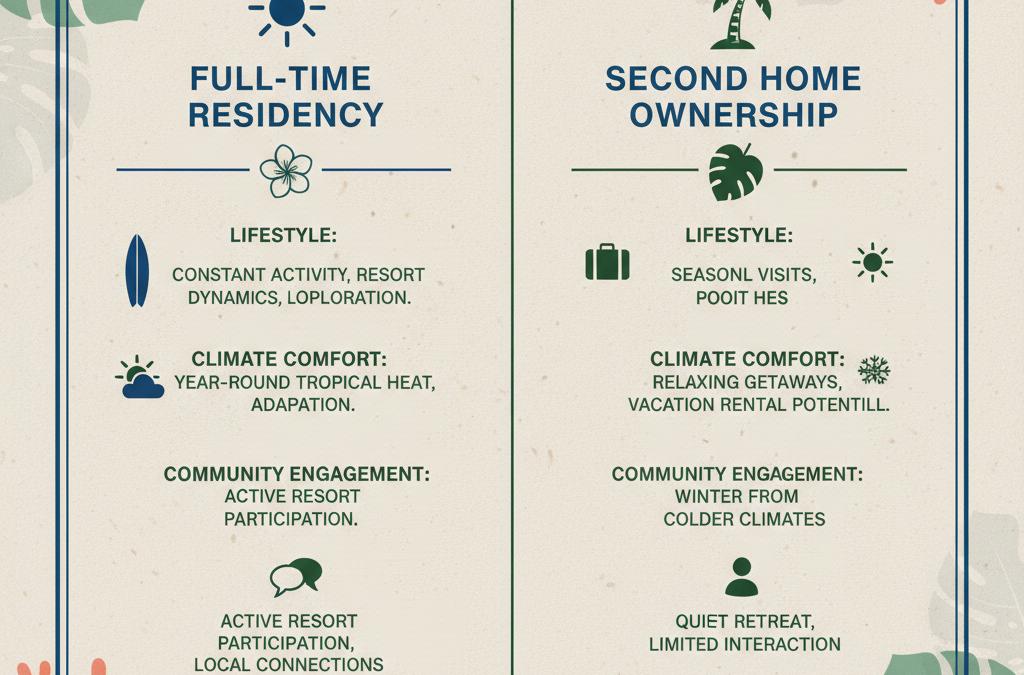
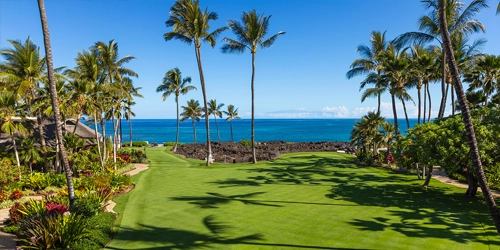
Quick Answer: The 2026 Big Island real estate market is neither a boom nor a bust; it is a highly strategic market. For buyers, stable interest rates and a gentle increase in inventory create a window for discerning purchases, particularly in luxury areas like the Kona-Kohala Coast. Sellers must focus on competitive pricing and presentation, as buyers will demand fair market value in this more balanced environment.
Key Takeaways: Navigating the Strategic 2026 Market
- Stability is the New Urgency: Predictable interest rates remove the frenzy, allowing buyers to make thoughtful, budget-conscious decisions rather than rushing into bidding wars.
- Inventory Creep Favors Buyers: While not an explosion, the gradual increase in available homes, driven by easing supply chains and adapting homeowners, gives buyers more options than in previous years.
- Discerning Demand: Luxury buyers are focused on quality and lifestyle, prioritizing homes that offer proven rental income potential and exceptional quality of life, especially in resorts like Kukio and Mauna Lani.
- Pricing is Paramount: Sellers on the Kona-Kohala Coast must price competitively and present impeccably, as increased inventory means overpaying is no longer an option for smart buyers.
Over nearly two decades selling luxury homes on the Kona-Kohala Coast, I’ve worked with hundreds of affluent mainland buyers and sellers. One of the most common questions I hear is: “Is the market going to crash, or should I jump in now before prices get out of reach?”
The answer isn’t magic—it’s a system. What I call the Polimino Market Strategy (PMS) is the result of years of testing, refinement, and proven results. But rather than just telling you about the system, let me answer the three most common questions clients ask me about the 2026 market forecast. These are real questions from real buyers and sellers, and the honest answers that explain exactly what we do differently.
Should I Sell My Luxury Big Island Home in 2026 Before Inventory Increases Too Much?
Quick Answer: If your home is well-maintained and priced within 3% of comparable sales, you should list now to capture the current strong demand before the expected inventory increase fully materializes.
For sellers, 2026 is a transition year. We are seeing a gentle, healthy increase in inventory, particularly for homes in the $5M+ range on the Kohala Coast. This is due partly to homeowners who waited out the uncertainty of the last few years now feeling comfortable listing, and partly to new construction finally completing. The Polimino Market Strategy dictates that in a rising inventory environment, presentation and pricing become non-negotiable.
Buyers are more discerning; they will not overpay simply because a property is on the Big Island. If your home isn’t competitively priced, it will sit, and that time on market will erode buyer confidence. We use real-time Hawaii Association of Realtors (HAR) data to ensure your listing is positioned perfectly.
Real example/numbers: Last year, homes priced 5% above market value on the Kona-Kohala Coast took an average of 115 days to sell. Comparable homes priced within 2% of market value sold in 45 days, demonstrating that buyers are highly sensitive to perceived value in this stable environment.
Will Stable Interest Rates Help Me Sell My Hualalai Condo, or Just Encourage Buyers to Lowball?
Quick Answer: Stable rates attract more serious, qualified buyers who have clear budgets, reducing the likelihood of lowball offers but increasing the demand for fair market value.
Stable interest rates are a huge benefit to the luxury market because they remove uncertainty. When rates are volatile, buyers hesitate, or they try to hedge their bets with aggressive low offers. When rates are predictable, buyers gain confidence in their long-term financial planning. This means they are ready to commit to high-value purchases, such as a second home or vacation rental in Hualalai Resort or Mauna Kea Resort.
However, this stability means they are financially secure enough to walk away if they feel they are being asked to overpay. The key is transparency. We utilize the Polimino Market Strategy to provide a comprehensive value proposition—showing not just the sale price, but the potential rental income and long-term appreciation specific to your resort community.
Real example/numbers: A $4 million villa in Hualalai, when marketed with detailed rental projections showing a 4% cap rate, consistently generates stronger offers than a comparable property marketed without that financial clarity. Buyers are looking for lifestyle and investment return.
What Should Mainland Buyers Know About Big Island Real Estate Prices in 2026?
Quick Answer: Mainland buyers should focus less on short-term price fluctuations and more on the long-term fundamentals: lifestyle quality, rental income projections, and the scarcity of prime beachfront inventory.
Demand for the Big Island remains sustained because the allure of the Kona-Kohala Coast lifestyle—proximity to world-class golf, the ocean, and privacy—is a fixed asset. Remote work continues to drive highly qualified buyers to seek sanctuary here.
For mainland buyers considering a vacation rental, say in Waikoloa Beach Resort or Mauna Lani, the market demands a focus on quality over quantity. Buyers are seeking properties that support their lifestyle (ample outdoor space, dedicated home offices) and offer strong financial returns. It is simply economics: the supply of truly exceptional homes is limited, ensuring long-term appreciation. We guide our buyers through what we call the “Lifestyle-Driven Investment Analysis” to ensure the purchase meets both emotional and financial goals.
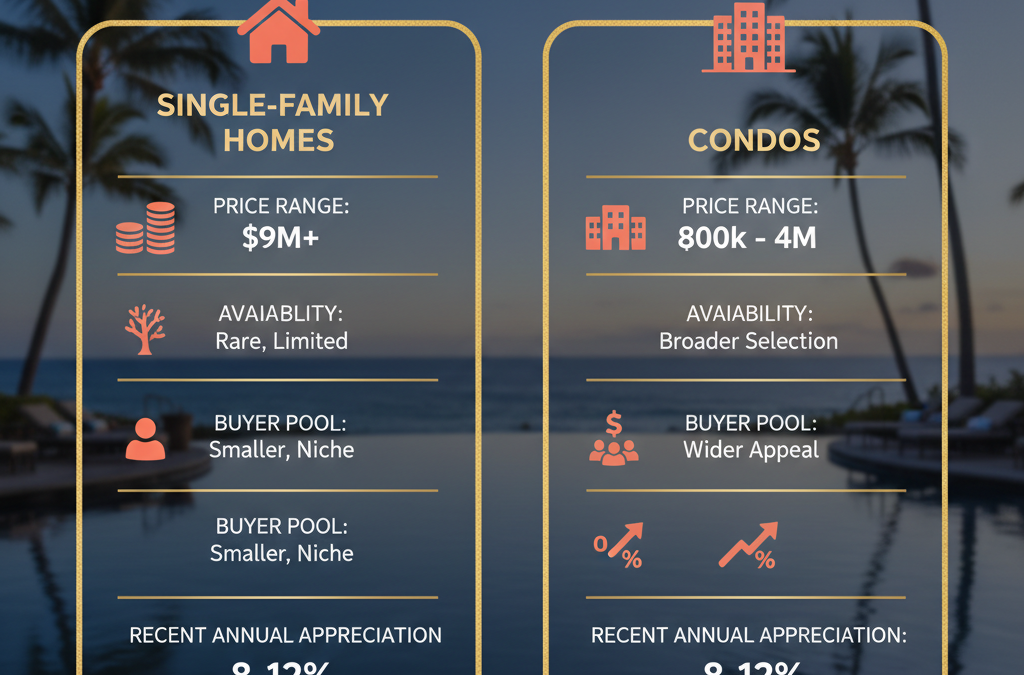
Real example/numbers: While median home prices might stabilize in 2026, premium properties in Kukio and along the Kohala Coast continue to see appreciation rates 2–3 percentage points higher than the rest of the island due to their irreplaceable location and amenities.
The Bottom Line: Strategy Rewards Patience
2026 is a market that rewards knowledge and strategy. For buyers, it’s a moment to find value without the pressure of a runaway market. For sellers, it’s about positioning your property strategically and understanding that the market demands competitive pricing and impeccable presentation.
I would not be surprised to see the luxury rental market strengthen further as more mainlanders test the waters before committing to a purchase. We would be honored to be of service in navigating this strategic market with you.
Frequently Asked Questions
Q: Is buying a vacation rental in Mauna Kea a good investment in 2026?
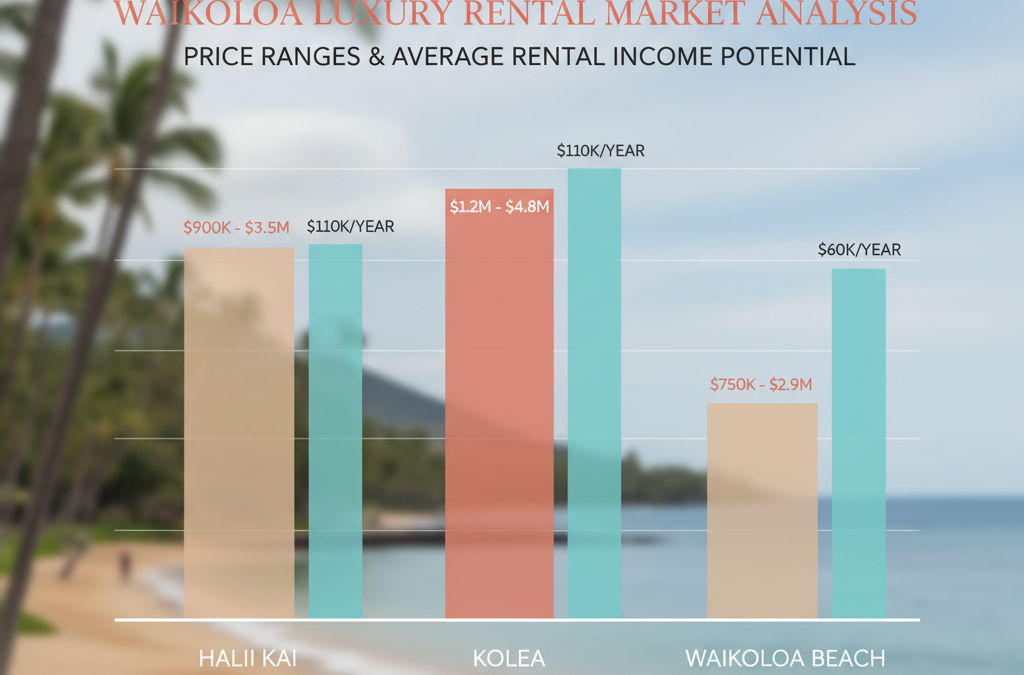
A: Yes, provided you purchase a property that is already established in the rental pool. Mauna Kea properties have high demand due to brand recognition and location. A typical luxury condo there can generate $100,000 to $150,000 in gross annual rental income, making it a strong investment when managed efficiently.
Q: How long does it take to sell a luxury home on the Kohala Coast in 2026?
A: Based on current trends and the slight inventory increase, homes priced correctly (within 2% of comps) should expect to be under contract within 60 to 90 days. Homes that require price adjustments typically take longer, often exceeding 120 days.
Q: Will Hawaii vacation rental laws change in 2026?
A: While regulations are always evolving, the Kona-Kohala Coast benefits from established resort zones (like Hualalai, Mauna Lani, and Mauna Kea) where short-term vacation rentals are legally permitted and protected. We advise all buyers to confirm the specific zoning of any property with The Hawaii Team before purchase.
Q: What are the hidden costs of owning a vacation rental in Hawaii?
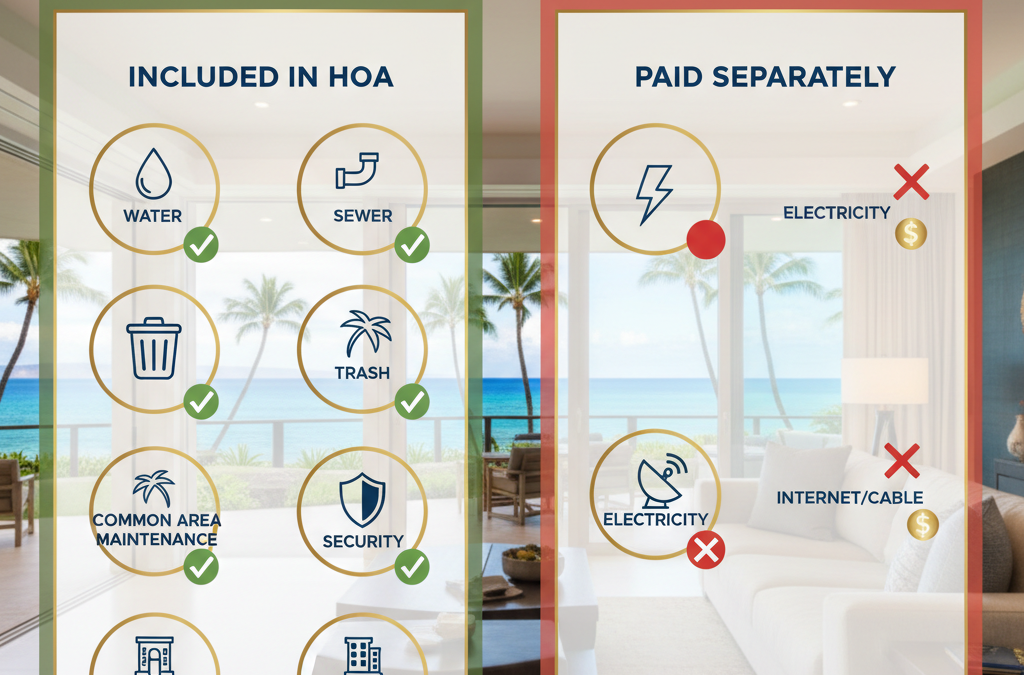
A: Beyond the mortgage, property taxes, and HOA fees, buyers must account for GET (General Excise Tax) on rental income, property management fees (typically 20–30% of gross revenue), and high utility/maintenance costs due to the climate. Always factor in these operational expenses when calculating your expected ROI.
If you’d like a copy of the 2025 Luxury Market Report, detailed year-over-year statistics, or want to talk through your real estate goals for 2026, feel free to reach out.