Quick Answer: No, this specific Bank of America program from 2008, designed to address the subprime mortgage crisis, is not directly relevant to current luxury real estate buyers or sellers on the Kona-Kohala Coast. However, understanding historical market interventions provides useful context when evaluating today’s luxury real estate market.
Key Takeaways: Understanding Market Stability for Luxury Hawaii Properties
- Historical Context: The 2008 Bank of America program responded to a financial crisis involving subprime and adjustable-rate mortgages, which are uncommon in today’s luxury Hawaii real estate market.
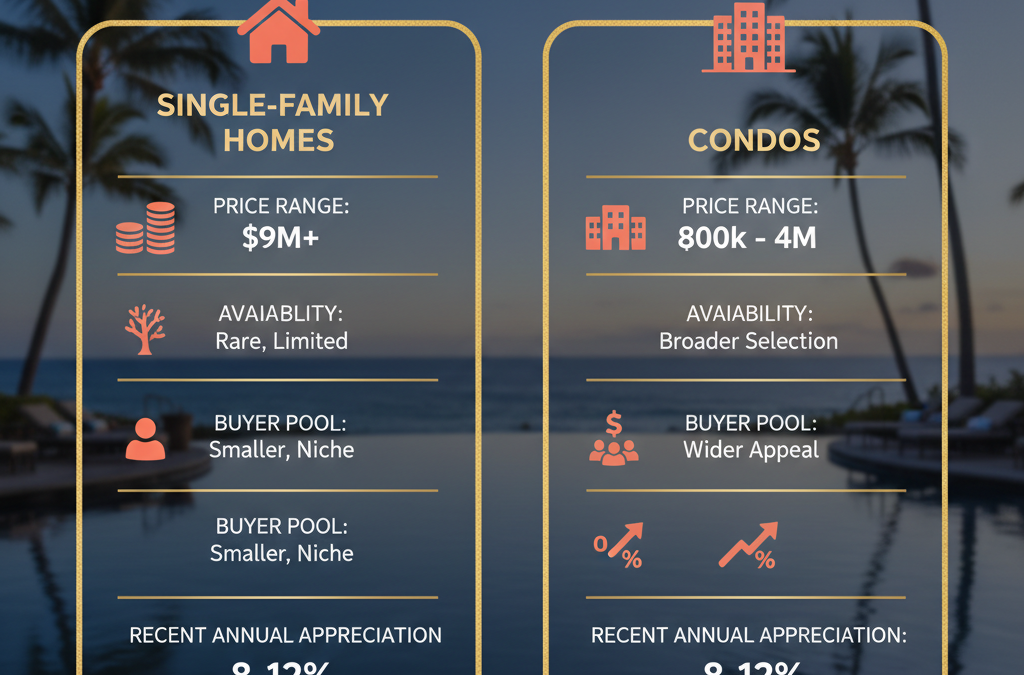
- Current Market Stability: The Kona-Kohala Coast luxury market, particularly in resorts such as Hualalai and Kukio, typically involves substantial cash purchases or conservative financing.
- Limited Relevance to Luxury Buyers: Mortgage modification programs generally target distressed borrowers, a situation rarely associated with high-end luxury property transactions.
- Focus on Current Factors: Luxury real estate decisions today should prioritize interest rates, inventory levels, and resort-specific market trends rather than historical mortgage relief programs.
- Expert Guidance: Working with experienced local professionals can help buyers and sellers navigate the financial factors affecting luxury investments in Hawaii.
Over nearly two decades of selling luxury homes on the Kona-Kohala Coast, many affluent individuals considering Hawaii as a second home or vacation rental investment ask the same question: “How can I ensure my Hawaii luxury property is a sound financial investment?”
The answer lies in careful analysis of market conditions, financing options, and long-term property performance. Understanding how historical events influenced the real estate market can provide perspective, but successful investment decisions depend primarily on evaluating current conditions.
How Do Historical Mortgage Programs Relate to My Current Hawaii Luxury Real Estate Decisions?
The 2008 Bank of America mortgage assistance program was designed to address a crisis caused largely by subprime and adjustable-rate mortgages. Those loan products played a major role in the broader housing market downturn but are far less common in the luxury real estate sector today.
Most luxury properties on the Kona-Kohala Coast are purchased with significant down payments, conventional financing, or all-cash transactions. As a result, foreclosure-prevention programs created during the 2008 crisis have little direct impact on today’s luxury market.
Understanding this historical context highlights the different financial structure of high-end markets, which tend to rely less on high-risk financing.
What Financial Factors Should I Consider for a Mauna Kea Second Home Today?
For buyers considering a second home in Mauna Kea, the most important financial factors today include current interest rates, property inventory within the resort, and long-term property appreciation trends.
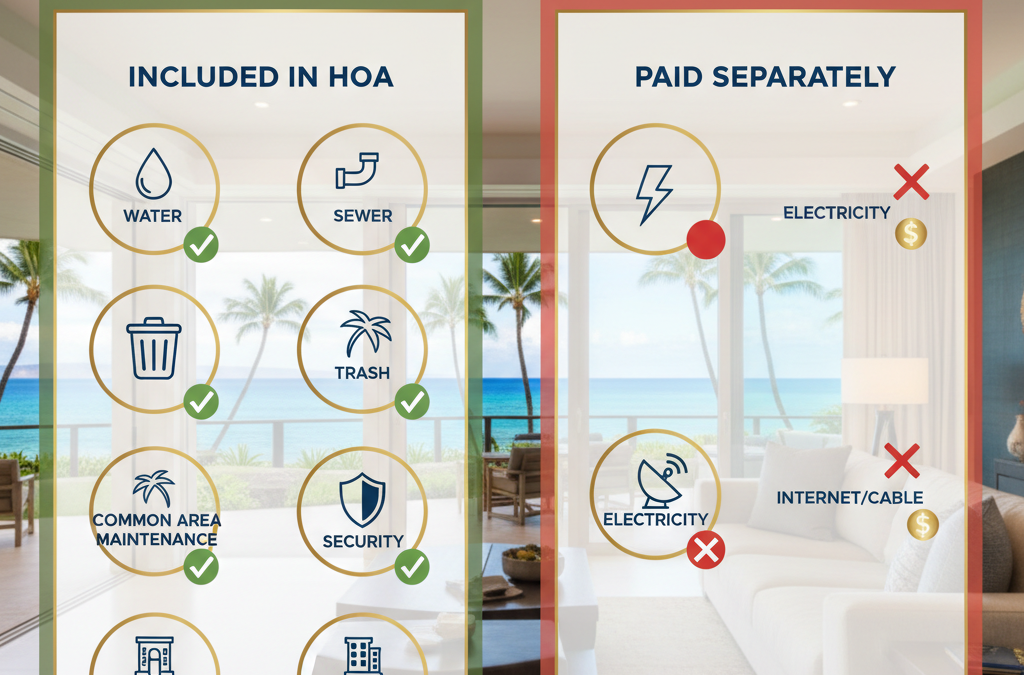
Additional considerations include property taxes, insurance costs, homeowner association fees, and potential rental income if the property will be used as a vacation rental.
Analyzing these factors together provides a clearer picture of ownership costs and potential returns.
Will Rental Income Cover the Mortgage for a Hualalai Vacation Rental?
Whether rental income can cover mortgage payments depends on several variables, including the purchase price, down payment, interest rate, property size, and location within the resort.
Luxury vacation rentals in desirable locations often generate strong rental income, but actual performance varies based on occupancy rates, pricing strategy, and property management quality.
Careful financial planning, including projections of rental income and operating expenses, is essential to determine whether a property will produce positive cash flow or primarily serve as a lifestyle investment.
The Bottom Line: Your Luxury Investment in Hawaii
While historical market events provide useful context, buyers and sellers of luxury properties on the Kona-Kohala Coast should focus primarily on current market conditions and sound financial planning.
Carefully evaluating interest rates, inventory levels, rental potential, and long-term market demand can help investors make informed decisions when purchasing or selling luxury real estate in Hawaii.
Demand for well-located luxury properties in resort communities often remains strong due to limited inventory and the global appeal of Hawaii as a lifestyle destination.
Frequently Asked Questions
Q: What are current interest rate trends for luxury Hawaii properties?
A: Interest rates for jumbo loans typically follow national lending trends but can vary depending on the lender, borrower qualifications, and loan structure.
Q: How stable is the luxury real estate market on the Kona-Kohala Coast?
A: Historically, the luxury market in this region has demonstrated resilience due to limited supply, strong demand, and the area’s appeal as a global resort destination.
Q: Should I be concerned about a housing market downturn affecting luxury property values in Hualalai?
A: Luxury markets often behave differently from broader housing markets because they rely on a smaller, more financially resilient buyer pool. While market fluctuations can occur, high-end properties in desirable locations tend to recover more quickly.
Q: What are typical property management fees for a vacation rental in Kukio?
A: Property management fees for luxury vacation rentals typically range between 25% and 35% of gross rental income, depending on services provided and property size.
Q: How do national housing forecasts apply to Hawaii’s luxury real estate market?
A: National forecasts provide general trends, but local factors such as tourism demand, resort inventory, and international buyer interest often play a larger role in shaping Hawaii’s luxury property market.