Quick Answer: For many affluent families, a Hawaii second home, particularly on the Kona-Kohala Coast, represents a compelling investment in both lifestyle and long-term financial growth. Luxury properties have consistently demonstrated strong appreciation and rental income potential when managed strategically.
Key Takeaways: Investing in Kona-Kohala Luxury Real Estate
- Strategic Timing: Current market conditions on the Kona-Kohala Coast present opportunities for discerning buyers, balancing appreciation potential with lifestyle benefits.
- Rental Income Potential: Luxury vacation rentals in areas like Hualalai and Mauna Kea can generate substantial income, often offsetting ownership costs and providing a return on investment.
- Expert Guidance: Navigating Hawaii’s luxury real estate market, from financing to property management, is best achieved with experienced local guidance.
- Long-Term Value: Beyond financial returns, a second home offers lasting family experiences and can serve as a legacy asset in a highly desirable global destination.
- Tax Implications: Understanding Hawaii-specific property taxes and potential federal tax considerations for second homes is important for optimizing an investment.
Over nearly two decades selling luxury homes on the Kona-Kohala Coast, many affluent buyers and sellers have asked the same question: “Is now the right time to buy a second home in Hawaii, and will it truly be a good investment for my family?”
The answer depends on strategy. A thoughtful approach to location, rental potential, financing, and long-term market trends can transform a second home into both a cherished retreat and a valuable asset. The following questions reflect the most common concerns mainland buyers have when considering a Hawaii investment property.
Will rental income cover the mortgage on my Hualalai condo, or will it be a constant expense?
In many cases, a well-managed luxury vacation rental in a prime location such as Hualalai can significantly offset mortgage and operating expenses. High demand for premium vacation experiences allows many luxury properties to command strong nightly rates.
For example, high-end resort condos may generate significant annual rental income depending on the property, amenities, location, and management strategy. However, performance varies widely, and success depends on factors such as professional marketing, guest services, and proper pricing. Careful financial analysis is essential to determine realistic income projections for any property.
What are the tax implications of owning a second home in Hawaii?
Owning a second home in Hawaii involves several tax considerations. Property tax rates vary by county and by whether the home is owner-occupied or classified as a non-owner-occupied property.
Beyond local property taxes, owners should consider federal tax obligations related to rental income, deductions for property expenses, depreciation, and potential capital gains taxes upon sale. Many investors also explore strategies such as expense deductions or tax-deferred exchanges when selling investment properties.
Consulting with tax professionals who understand Hawaii real estate is important to ensure compliance and optimize financial outcomes.
How can I own a luxury vacation rental in Mauna Kea while living on the mainland?
Owning a vacation rental from the mainland is common and achievable with reliable local support. Professional property management companies typically handle guest bookings, maintenance, housekeeping, and concierge services.
High-quality management ensures the property is properly maintained and guests receive a premium experience. This allows owners to enjoy their property during personal visits while generating income throughout the year.
Choosing an experienced management company familiar with luxury rentals on the Kona-Kohala Coast is one of the most important decisions for remote owners.
What are the best strategies for managing a Hawaii investment property remotely?
Successful remote ownership usually relies on three core elements: a reputable local property manager, transparent financial reporting, and consistent communication.
Professional managers provide oversight of maintenance, guest relations, and regulatory compliance. Detailed financial statements allow owners to track rental performance, expenses, and occupancy trends. Regular communication helps ensure that the property continues to perform as expected.
With the right systems in place, many owners successfully manage Hawaii investment properties from thousands of miles away.
Is a Hawaii second home truly a good investment, or simply a luxury purchase?
For many families, a Hawaii second home represents both a lifestyle purchase and a long-term investment. Beyond the financial aspect, owners gain a private retreat and a place for family gatherings and lasting memories.
From an investment perspective, luxury properties in desirable resort communities have historically shown steady demand and long-term appreciation. When combined with rental income potential, many properties can offset ownership costs and contribute to overall portfolio growth.
Careful property selection, realistic financial planning, and professional management are key factors in achieving both lifestyle enjoyment and investment performance.
The Bottom Line: Your Kona-Kohala Investment Journey
Investing in a luxury second home on the Kona-Kohala Coast blends lifestyle aspirations with financial planning. Buyers should evaluate market trends, rental potential, management options, and long-term goals before purchasing.
With thoughtful planning and expert guidance, a Hawaii property can provide both personal enjoyment and meaningful long-term value.
Frequently Asked Questions
Q: How much does a luxury vacation rental on the Kona-Kohala Coast typically cost?
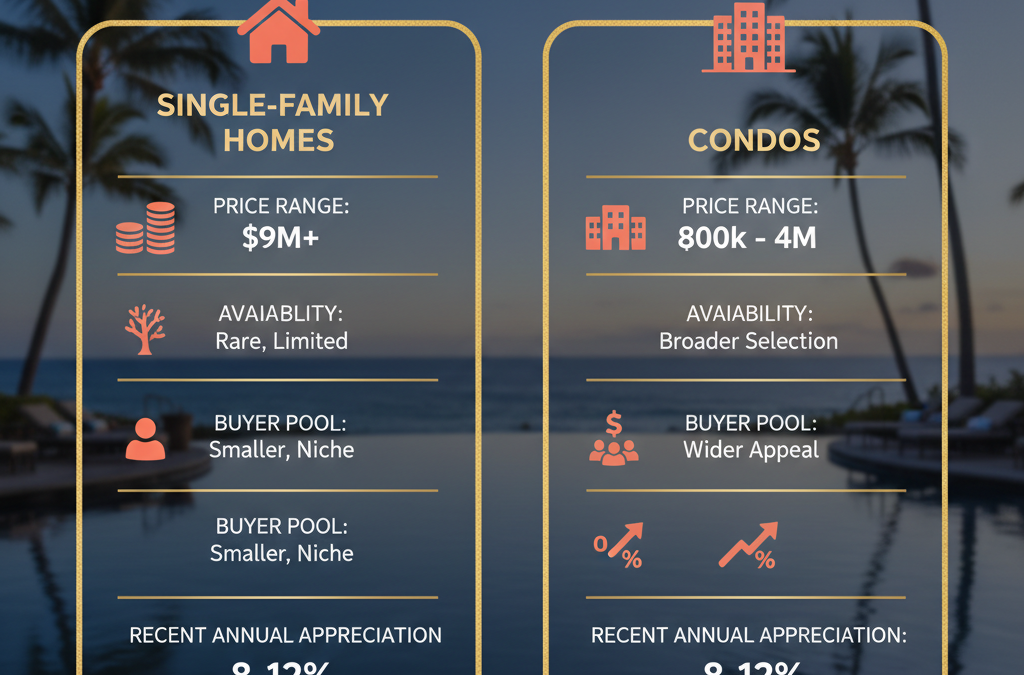
A: Luxury properties in this region often range from several million dollars for resort condominiums to tens of millions for oceanfront estates. Pricing varies widely depending on location, views, amenities, and resort access.
Q: What are the current market trends for luxury homes on the Big Island?
A: Luxury markets on the Kona-Kohala Coast generally show strong demand, limited inventory, and steady long-term appreciation, although market conditions can fluctuate with broader economic trends.
Q: Could vacation rental regulations affect my investment?
A: Vacation rental regulations are set at the county level and can evolve over time. Buyers should review current rules and confirm that any property they purchase is properly permitted for short-term rentals.
Q: How long does it typically take to sell a luxury home on the Kohala Coast?
A: Time on market varies depending on pricing, property type, and market conditions. Well-priced luxury properties in desirable resort communities often sell within several months, though unique estates may take longer.
Q: What should I ask a realtor before buying a second home in Hawaii?
A: Buyers should ask about the agent’s experience in the local luxury market, knowledge of vacation rental regulations, connections with property managers and tax advisors, and strategies for identifying strong investment opportunities.