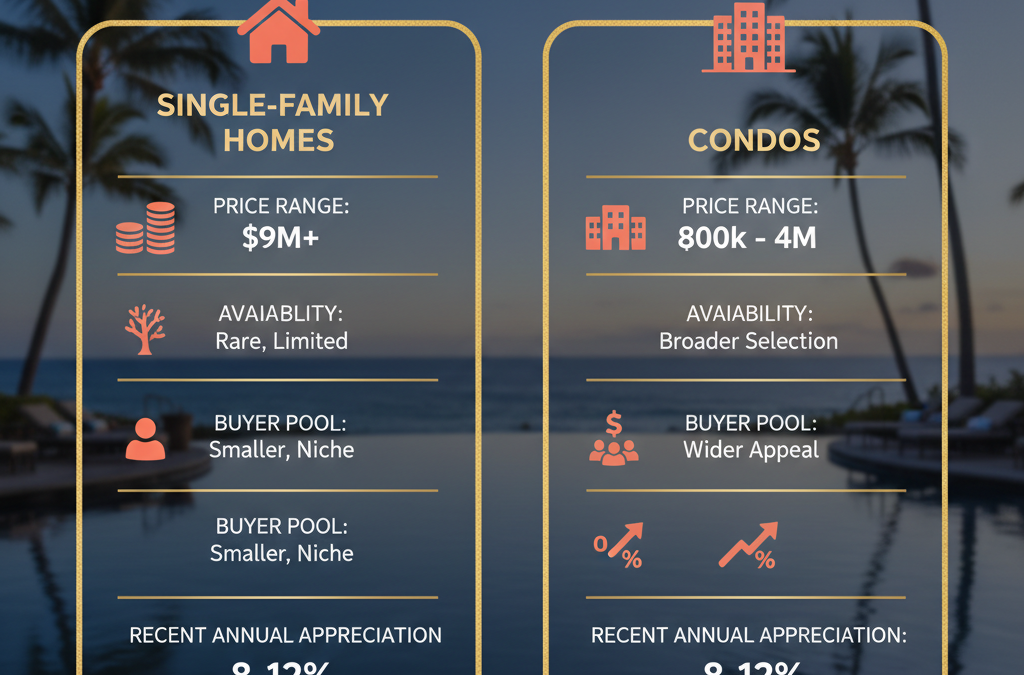
Quick Answer: Investing in a Mauna Kea vacation rental in 2024 can be a sound decision for your family, offering both lifestyle benefits and strong rental income potential. Properties on the Kona-Kohala Coast typically yield a 4–6% cap rate for well-managed units. However, understanding the specific costs and market nuances is crucial for maximizing your return.
Key Takeaways: Investing in Kona-Kohala Luxury Real Estate
- Market Stability: The Kona-Kohala Coast luxury market, including resorts like Mauna Kea, has shown consistent appreciation, averaging 3–5% annually over the last decade.
- Rental Income Potential: Well-managed luxury vacation rentals in prime locations can offset significant ownership costs, with some units generating $150,000 to $300,000 or more in gross annual revenue.
- Hidden Costs: Beyond the purchase price, factor in HOA fees, property taxes, management fees (typically 25–35% of gross rental income), and maintenance for a complete financial picture.
- Lifestyle Benefits: Owning in a resort such as Mauna Kea provides exclusive access to world-class amenities and a personal retreat for family use.
- Expert Guidance: Navigating Hawaii’s unique real estate market often benefits from working with a knowledgeable local expert who understands resort nuances and rental regulations.
Over nearly two decades selling luxury homes on the Kona-Kohala Coast, I’ve worked with many affluent buyers considering Hawaii as a second home or vacation rental investment. One of the most common questions is: “Is a Mauna Kea vacation rental a good investment for my family in 2024?”
The answer depends on a clear system for evaluating the opportunity. What I call the Polimino Investment Framework is the result of years of experience and market observation. Instead of describing the system in theory, the following sections address the five most common questions mainland buyers ask about luxury real estate on the Big Island.
Should I buy a second home in Hualalai now or wait for prices to drop?
Waiting for a significant price drop in a high-demand, limited-inventory market such as Hualalai Resort can often mean missing opportunities. The Kona-Kohala Coast luxury market has shown strong resilience, with Hualalai properties appreciating by roughly 4.5% year over year during the past three years.
While market fluctuations can occur, the scarcity of prime oceanfront and resort locations tends to stabilize property values. The Polimino Market Timing Analysis suggests that trying to perfectly time the market bottom is usually less effective than purchasing when a property aligns with long-term goals and lifestyle needs.
What are the hidden costs of owning a vacation rental in Kona?
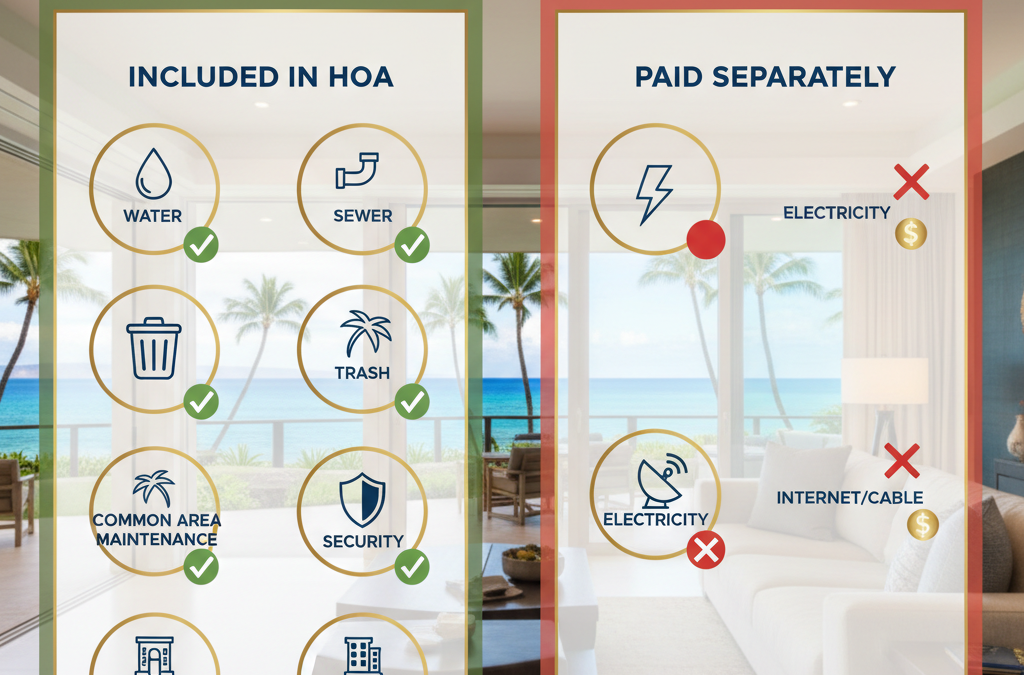
Many mainland buyers underestimate the ongoing costs of a Kona-Kohala Coast vacation rental. Beyond the purchase price, the most significant expenses typically include homeowners association (HOA) fees, which may range from $1,500 to more than $5,000 per month in resort communities such as Mauna Lani or Mauna Kea.
Property taxes are another major expense and typically range from approximately 0.25% to 0.35% of assessed value annually. Additional costs include property management fees (often 25–35% of gross rental income), cleaning services, maintenance, utilities, and Hawaii’s general excise tax (GET) on rental income.
The Polimino Financial Projections model accounts for these variables. For example, a $3 million property may incur $80,000 to $120,000 in annual fixed and variable costs before mortgage payments.
Can I manage a Hawaii rental property from California?
While technically possible, managing a Hawaii rental property from California can be challenging, especially for luxury properties. Time zone differences, geographic distance, and local regulatory requirements make hands-on management difficult for most owners.
Guest issues, maintenance needs, and emergencies often require immediate attention. Additionally, compliance with Hawaii’s transient accommodations tax (TAT) and general excise tax (GET) requires careful local oversight.
For these reasons, the Polimino Management Network emphasizes working with reputable local property management companies. Professional managers typically handle bookings, guest services, maintenance coordination, and tax compliance. Owners generally allocate about 25–35% of gross rental income for professional management.
What are the best lava zones for luxury homes on the Big Island?
Luxury homes on the Kona-Kohala Coast are typically located in Lava Zones 4 through 9, which are considered very low risk. Major resort communities such as Kukio, Hualalai Resort, Mauna Kea Resort, Mauna Lani Resort, and Waikoloa Beach Resort are predominantly located in Lava Zone 4.
This zone has experienced very infrequent lava activity, with the last flow occurring more than 1,500 years ago. As part of the Polimino Due Diligence Protocol, lava zone maps and geological reports are reviewed to ensure buyers clearly understand the risk profile of each property.
These areas are very different from the higher-risk lava zones on the eastern side of the island, where Zones 1–3 are located and where luxury developments are generally uncommon.
How do rental incomes compare in Waikoloa vs. Mauna Lani for luxury condos?
Both Waikoloa Beach Resort and Mauna Lani Resort offer strong luxury condo investment opportunities, but their rental profiles can differ.
Mauna Lani’s more exclusive positioning often allows for higher average daily rental rates and strong occupancy levels. A three-bedroom luxury condo in Mauna Lani may generate approximately $180,000 to $250,000 in gross annual rental income, while a comparable property in Waikoloa might generate about $130,000 to $180,000.
The Polimino Rental Performance Analysis evaluates historical occupancy, property type, and future booking trends to provide realistic income projections for buyers.
The Bottom Line: Strategic Investment on the Kona-Kohala Coast
Investing in luxury real estate on the Kona-Kohala Coast requires careful analysis of ownership costs, rental income potential, and long-term market trends. With thoughtful planning and reliable local management, a well-selected property can provide both lifestyle benefits and financial performance.
I would not be surprised to see continued strong demand for prime Kona-Kohala Coast luxury properties, driven by limited inventory and the enduring appeal of Hawaii resort living.
Frequently Asked Questions
Q: What is the typical appreciation rate for luxury homes in Kukio?
A: Luxury homes in Kukio have historically appreciated approximately 5–7% annually over the past five years, reflecting strong demand and limited inventory.
Q: How much should I budget for annual HOA fees in Hualalai Resort?
A: Annual HOA fees in Hualalai Resort vary widely but commonly range from about $20,000 to $60,000 or more depending on the specific community and amenities.
Q: Are there tax benefits for owning a vacation rental in Hawaii?
A: Owners may qualify for deductions related to rental expenses, depreciation, and mortgage interest. It is advisable to consult a tax professional familiar with Hawaii tax law.
Q: What is the average occupancy rate for luxury vacation rentals on the Kona-Kohala Coast?
A: Well-managed luxury vacation rentals in the region often achieve occupancy rates between 65% and 80%, with higher demand during peak travel seasons.
Q: How do I find a reliable property manager for a Mauna Kea vacation rental?
A: Look for companies with strong local experience, transparent fee structures, proven performance with luxury properties, and strong client references.