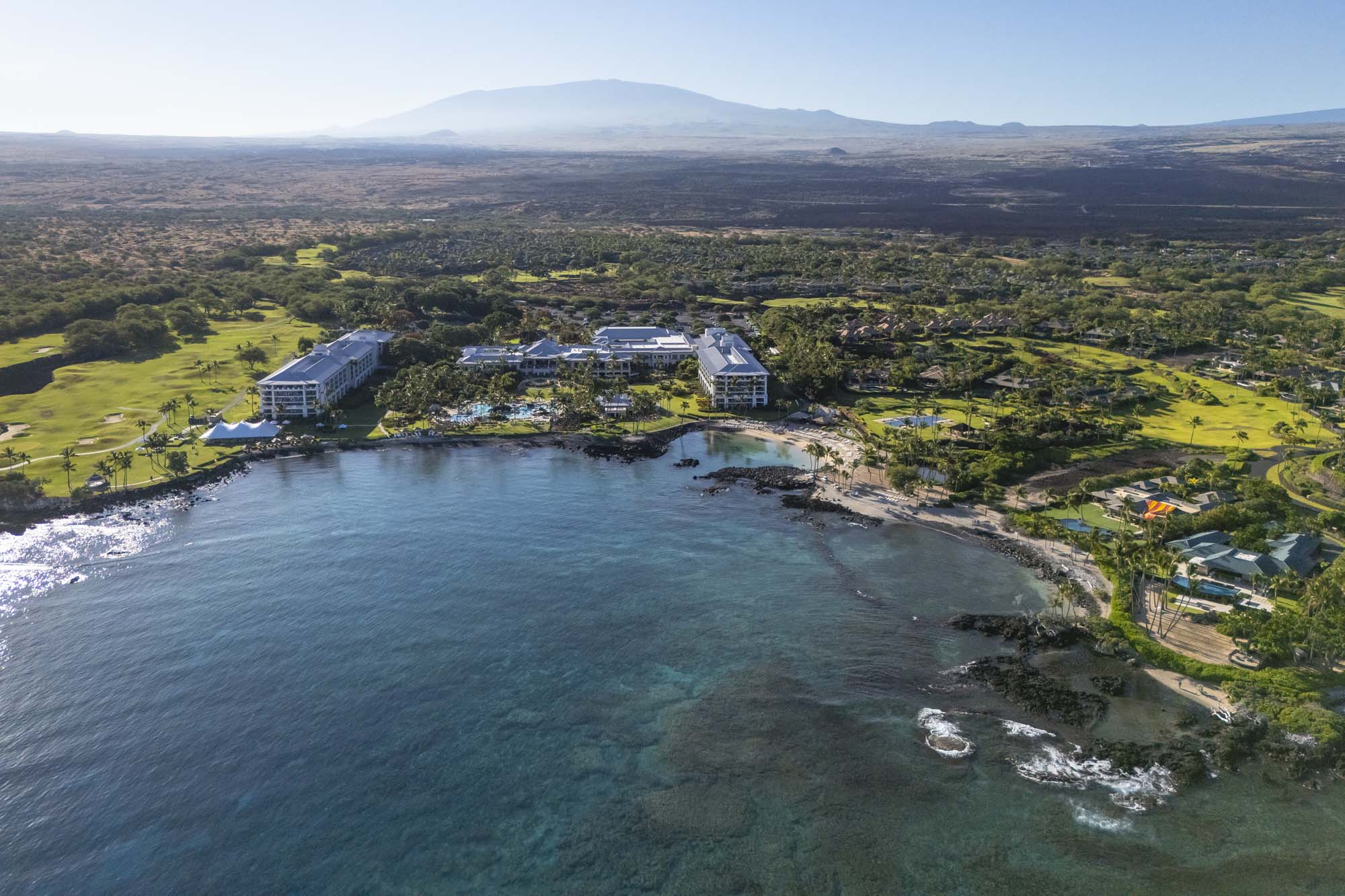
Quick Answer: The investment outlook for luxury vacation rentals on the Kona-Kohala Coast in 2026 remains strong, driven by limited ultra-premium inventory and sustained high demand from high-net-worth travelers. While interest rate normalization has cooled rapid appreciation, specific resort communities like Kukio and Hualalai continue to show resilience, offering projected gross rental yields between 4% and 7% depending on the property type and management strategy.
Key Takeaways: 2026 Kona-Kohala Coast Investment Outlook
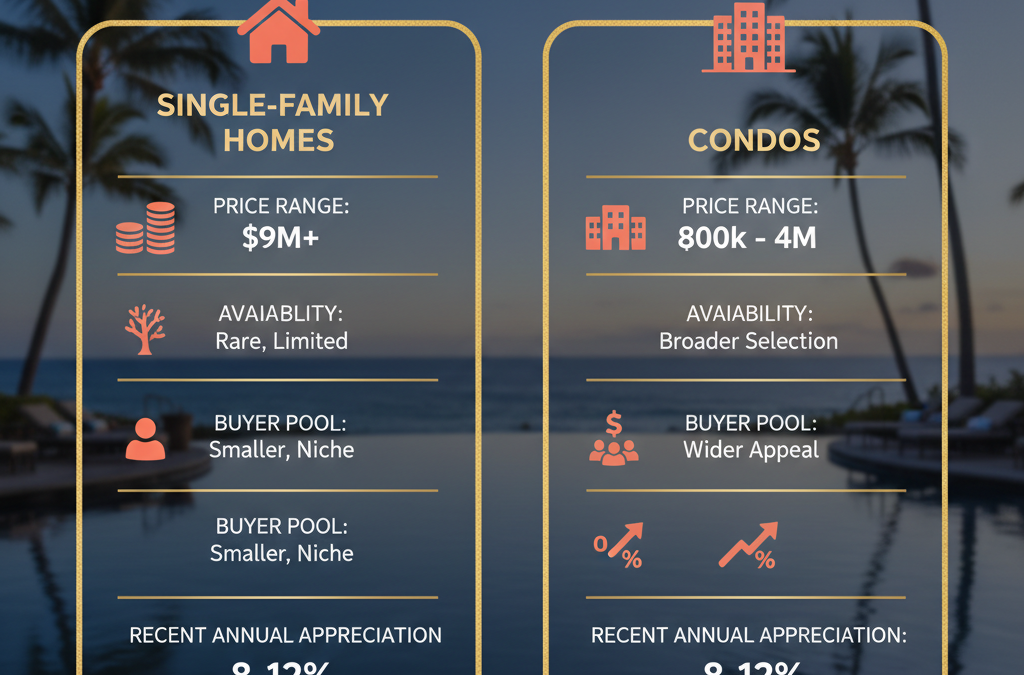
- Resort Resilience: The seven distinctive luxury markets (Hualalai, Mauna Kea, Kukio, etc.) are performing independently, with ultra-premium inventory ($10M+) maintaining value better than the entry-level luxury segment ($3M–$5M).
- Rental Income Potential: Changes in local short-term rental regulations are making professionally managed, designated resort properties more attractive and potentially more profitable than private, non-conforming rentals.
- Seller Timing: Sellers in high-demand areas like Mauna Kea Resort should act now, as buyer urgency is currently high due to limited supply, rather than waiting for a hypothetical market peak later in 2026.
- Financing Strategy: Cash buyers dominate the top tier, but those utilizing financing must factor in higher debt service, making strong rental income projections critical for positive cash flow.
Over nearly two decades selling luxury homes on the Kona-Kohala Coast, I’ve worked with hundreds of affluent mainland buyers and sellers. One of the most common questions I hear is: “Should I act now or wait?”
The answer isn’t magic—it’s a system. What I call the Kona-Kohala Performance Strategy is the result of years of testing, refinement, and proven results in managing complex luxury transactions. But rather than just telling you about the system, let me answer the three most common questions buyers and sellers ask me about the 2026 market. These are real questions from real clients, and the honest answers that explain exactly what we do differently.
Should I Sell My Hualalai or Mauna Kea Condo Now, or Wait for the 2026 Market Peak?
Quick Answer: For sellers of luxury condos in established resorts, the data suggests acting sooner rather than later to capitalize on current high buyer demand and low inventory levels.
This question boils down to timing the market, which is notoriously difficult. More often than not, waiting for a perceived “peak” means missing the window of highest buyer urgency. In 2026, we are seeing strong momentum in the Hualalai and Mauna Kea condominium markets. Inventory is tight, and qualified buyers are competing, which is driving shorter days on market and higher list-to-sale ratios.
If you are considering selling your Hualalai vacation rental, timing matters. We utilize the Kona-Kohala Performance Strategy to analyze the micro-market trends—not just the macro-economy—looking at specific resort sales velocity and pending transactions. This allows us to pinpoint the optimal listing window for maximum exposure and price.
Real example/numbers: In the last quarter, luxury two-bedroom villas in Mauna Kea Resort sold in an average of 65 days, compared to 98 days the previous year, demonstrating accelerated buyer absorption. A comparable property listed in Q3 2025 sold for 97% of the asking price, while Q1 2026 sales are averaging 98.5% of asking.
What Should I Know Before Buying a Second Home in Kukio or Kohanaiki?
Quick Answer: Buyers entering the exclusive Kukio or Kohanaiki markets must understand the unique membership requirements, annual operating costs, and the long-term commitment to community rules, which significantly impact resale value and rental flexibility.
Buying in these communities is fundamentally different from purchasing a standard luxury home. You are buying into a lifestyle and a club. The primary consideration is not just the home’s price, but the mandatory club membership fees, annual dues, and assessment structures. These costs can easily exceed $150,000 annually, depending on the club tier and usage.
My system focuses heavily on due diligence in these private communities. We look beyond the MLS data and work directly with resort management to fully disclose all operational costs and rental restrictions. For instance, Kukio has significantly stricter rental rules than Mauna Lani, which directly impacts the property’s potential as a vacation rental investment. Ignoring these details is the number one mistake I see mainland buyers make.
It is simply economics—the exclusivity and stringent rules are what maintain the value and experience for owners. If you are looking for maximum rental income flexibility, Kukio may not be the right fit. If you prioritize privacy and unparalleled service, the premium is justified.
Can I Manage a Hawaii Rental Property From California, or Do I Need Local Help?
Quick Answer: While you can handle bookings remotely, effective property management for a luxury vacation rental on the Kona-Kohala Coast absolutely requires a dedicated, licensed local team for maintenance, compliance, and guest services.
Most mainland owners ask me this exact question. The short answer is that attempting to self-manage a high-value asset from thousands of miles away is a recipe for stress and lost revenue. Hawaii has specific tax laws, transient accommodation tax (TAT) requirements, and evolving county regulations regarding short-term rentals. Staying compliant requires local knowledge.
Furthermore, the expectation of a luxury guest paying $2,000+ per night is immediate, five-star service. A broken AC unit or a plumbing issue cannot wait for a mainland manager to coordinate. The Kona-Kohala Performance Strategy emphasizes working with top-tier local property managers who are familiar with the specific infrastructure of your resort (for example, Four Seasons standards at Hualalai). This ensures your asset is protected and your rental income potential is maximized.
Real example/numbers: A poorly maintained luxury home can see its average nightly rate drop by 20% in a single season due to negative guest reviews. Conversely, a professionally managed home in Waikoloa Beach Resort often achieves 90%+ occupancy during peak season, justifying the 25%–35% management fee.
The Bottom Line: Making Your Move in the 2026 Luxury Market
The 2026 luxury market on the Kona-Kohala Coast demands precision and local expertise. Whether you are selling a prized asset or investing in a new second home, understanding the nuances of each resort community—from Hualalai to Mauna Lani—is non-negotiable. Don’t rely on national headlines; rely on data specific to your street and your resort.
I would not be surprised to see the gap widen between professionally managed, compliant resort properties and non-conforming private rentals, making the former a safer and more lucrative long-term investment. We would be honored to be of service.
Frequently Asked Questions
- Q: What are the hidden costs of owning a vacation rental in Hawaii?
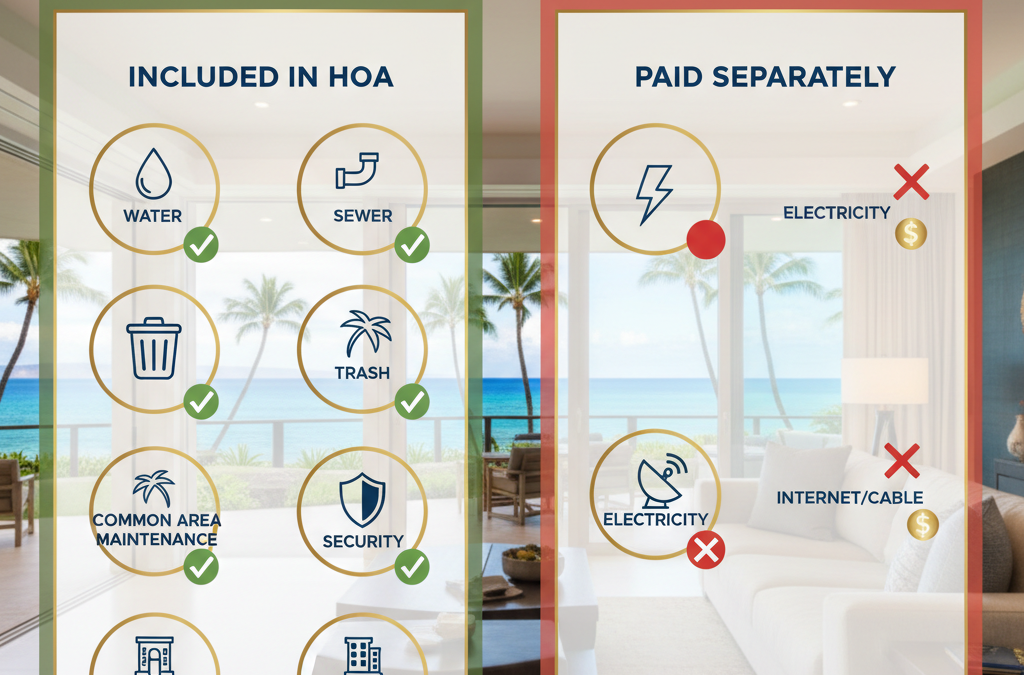
- A: Beyond the mortgage and HOA fees, the primary hidden costs are the mandatory Hawaii General Excise Tax (GET) and Transient Accommodations Tax (TAT), which currently total over 17% of gross rental income. Additionally, high utility costs and mandatory professional property management fees (25%–35%) must be factored in.
- Q: Is Waikoloa or Mauna Kea better for rental income?
- A: Mauna Kea Resort generally commands higher nightly rates and attracts a more exclusive clientele, resulting in higher gross income potential per booking. However, Waikoloa Beach Resort offers higher volume and better entry-level pricing, potentially offering a more favorable cap rate for the $2M–$4M investor segment.
- Q: How long does it take to sell a luxury home on the Kohala Coast?
- A: While the market is accelerating, luxury sales are not instantaneous. Ultra-premium homes ($10M+) typically require 90 to 180 days to find the right buyer. Well-priced condos in high-demand areas like Hualalai can close in 45–75 days, provided the title and due diligence are handled efficiently.
- Q: Will I pay capital gains tax if I sell my Hawaii second home?
- A: Yes, capital gains tax will apply to the appreciation of your second home. Furthermore, Hawaii has a mandatory withholding tax (HARPTA) on the sale proceeds of non-resident sellers, which is typically 7.25% of the sales price, though this can often be reclaimed after filing your state tax return.