Quick Answer: Despite national economic uncertainties, key demographic shifts suggest strong underlying demand for housing, particularly in desirable markets like the Kona-Kohala Coast. Factors such as a growing population of first-time and second-time homebuyers, increasing household formation, and migration to the South and West indicate sustained interest in real estate. This may make it an opportune time to consider a luxury Hawaii property.
Key Takeaways: Understanding the Future of Luxury Hawaii Real Estate
- Demographic Tailwinds: A significant increase in both first-time (ages 25–34) and second-time (ages 55–64) homebuyer groups is expected to fuel housing demand, influencing the luxury second-home market on the Kona-Kohala Coast.
- Migration Patterns: The continued movement of populations to the South and West, including Hawaii, supports strong regional housing markets and long-term investment potential.
- Household Growth: Growth in households and renters nationally reflects a sustained need for housing, creating a consistent pool of potential buyers and renters.
- Investment Stability: While national markets fluctuate, the unique appeal and limited inventory of luxury real estate on the Kona-Kohala Coast can contribute to long-term investment stability.
Over nearly two decades selling luxury homes on the Kona-Kohala Coast, I have worked with hundreds of affluent individuals considering Hawaii as a second home or vacation rental investment. One of the most common questions I hear is: “Should I buy a vacation rental on the Kohala Coast or wait for prices to change?”
The answer is not magic—it is a system. What I call the Polimino Market Insight System is the result of years of testing, refinement, and proven results. Rather than simply describing the system, let me address the five most common questions buyers ask about market timing and investment decisions.
Why is the growing 25–34 age group relevant to my Hawaii investment?
The growth in the 25–34 age group is significant because it represents the primary demographic for first-time homebuyers. As these buyers enter the housing market and purchase starter homes, they create a ripple effect throughout the housing ecosystem. Their purchases allow current homeowners to move up to larger properties, which ultimately supports demand for second homes and luxury properties.
While many in this age group may not purchase luxury homes directly on the Kona-Kohala Coast, their activity strengthens the entire housing market. The Polimino Market Insight System monitors these demographic shifts because a strong base of entry-level buyers helps support long-term demand across all price tiers.
How does the increase in the 55–64 age group impact the Kona-Kohala luxury market?
The 55–64 age group represents many second-time buyers who often seek vacation homes, retirement properties, or investment rentals in desirable destinations. This demographic typically has accumulated wealth and is looking for lifestyle investments.
Their growing numbers can translate into sustained demand for properties in luxury resort areas such as Hualalai Resort and Mauna Kea Resort. As a result, this demographic trend is an important indicator of long-term demand for luxury homes on the Kona-Kohala Coast.
Will the growing number of households and renters affect vacation rental income?
Yes. Growth in the number of households and renters nationally creates a strong foundation for the rental market. More households mean more people seeking housing, while a larger renter population indicates consistent demand for rental properties.
For a luxury vacation rental on the Kona-Kohala Coast, this trend can translate into a broader base of potential renters. Whether visitors are traveling for short-term vacations or longer stays, increasing housing demand supports occupancy rates and rental income potential.
Is migration to the South and West a positive sign for selling my Kona-Kohala Coast home?
Yes. Migration patterns toward the South and West often indicate regions experiencing population growth and economic expansion. Hawaii, including the Big Island, benefits from its appeal as a lifestyle destination.
This migration can increase the pool of buyers interested in relocating or purchasing second homes in desirable locations. As buyer demand rises, sellers may benefit from stronger property values and competitive market conditions.
What factors should I consider before investing in a Hawaii vacation rental?
Before investing in a Hawaii vacation rental, consider local market conditions, property location, regulations, and your personal financial goals. Factors such as beachfront versus golf-course locations, property management quality, and Hawaii’s vacation rental regulations can significantly influence investment performance.
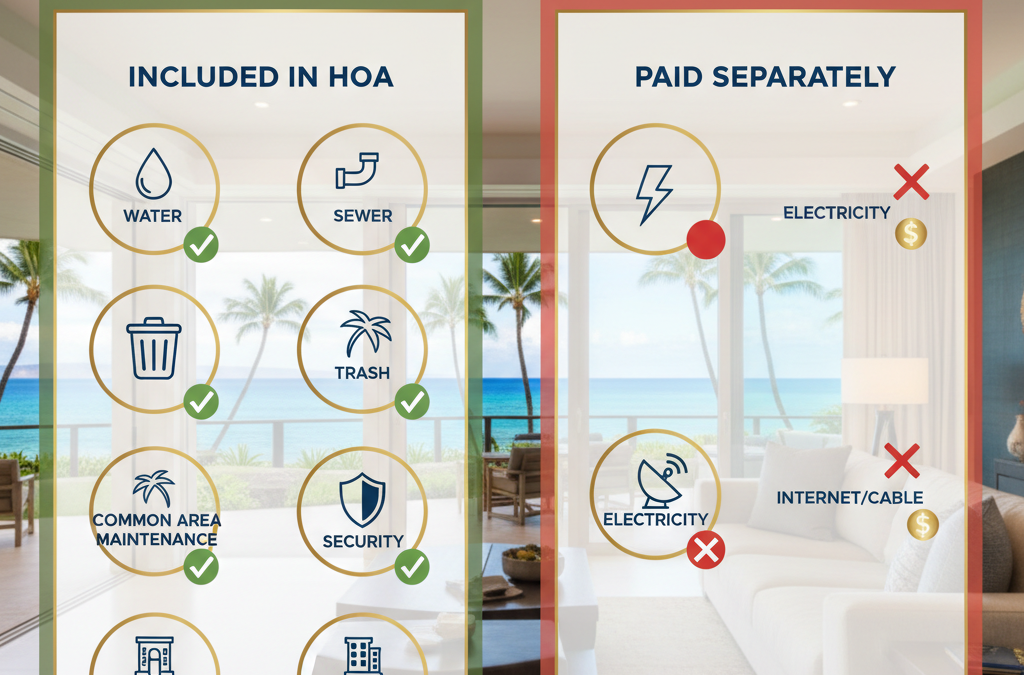
Evaluating projected rental income alongside ownership costs—including taxes, HOA fees, maintenance, and management—is essential to making an informed investment decision.
The Bottom Line: Investing in Kona-Kohala Coast Luxury Real Estate
Although economic headlines may create uncertainty, underlying demographic trends—such as growing buyer populations, increasing household formation, and migration to desirable regions—support continued demand for housing. These long-term trends can provide a strong foundation for the luxury real estate market on the Kona-Kohala Coast.
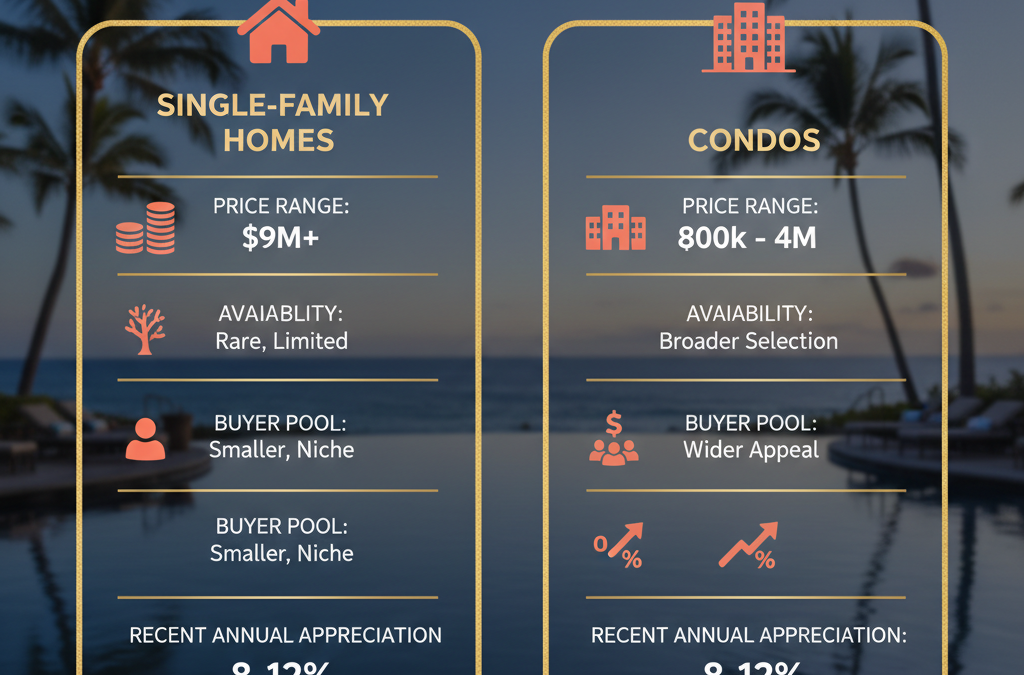
Well-located luxury properties in areas such as Hualalai and Mauna Kea may continue to attract strong interest due to their lifestyle appeal, limited inventory, and long-term investment potential.
Frequently Asked Questions
Q: Will my vacation rental income cover the mortgage if I buy now?
A: In many cases, a well-located luxury vacation rental can generate significant income. Depending on financing terms, property management, and occupancy rates, rental income may offset a substantial portion of ownership costs.
Q: How long does it typically take to sell a luxury home on the Kona-Kohala Coast?
A: Sales timelines vary depending on pricing, market conditions, and property characteristics. Luxury homes often require longer marketing periods due to the specialized buyer pool.
Q: What are the hidden costs of owning a vacation rental in Hawaii?
A: In addition to the purchase price, owners should consider property taxes, HOA fees, property management fees, insurance, and ongoing maintenance costs.
Q: Is it better to buy new construction or an existing luxury home?
A: Both options have advantages. New construction offers modern amenities and warranties, while existing homes may include mature landscaping and established rental histories.
Q: How do current interest rates affect buying a second home in Hawaii?
A: Interest rates influence financing costs for buyers using loans. However, luxury markets often include a higher percentage of cash purchases, and many buyers focus on long-term value and lifestyle benefits when making decisions.