
Quick Answer: Yes, buying a short-term vacation rental on the Kona-Kohala Coast of the Big Island can be a strong investment in 2024, provided you navigate its unique challenges, such as limited inventory and evolving county regulations, with expert guidance. With the right property and efficient operation, significant profits are achievable due to sustained demand.
Key Takeaways: Investing in Big Island Vacation Rentals
- Expert Guidance Is Crucial: The Big Island’s short-term rental market is distinct, and local expertise is essential for long-term success.
- Inventory Is Limited: Desirable short-term rental properties are scarce, requiring patience and strong market access.
- Regulations Are Evolving: County restrictions directly impact operational viability and profitability.
- Strong Demand Persists: The Kona-Kohala Coast remains a highly sought-after tourist destination with consistent rental income potential.
- Long-Term Growth Potential: Strategic investments in well-located properties may offer both appreciation and reliable cash flow.
Over nearly two decades of selling luxury homes on the Kona-Kohala Coast, many clients have asked whether buying a short-term vacation rental on the Big Island is a smart investment. The answer depends on selecting the right property, understanding operating realities, and carefully evaluating regulatory requirements.
What Makes the Kona-Kohala Coast Short-Term Rental Market Unique?
Quick Answer: The Kona-Kohala Coast short-term rental market is a specialized niche shaped by limited luxury inventory, high operating costs, and specific county regulations that require a tailored investment approach.
Unlike many mainland resort markets, inventory on the Big Island is inherently limited. Prime resort communities offer finite development opportunities, which constrains supply and supports pricing. However, scarcity also makes acquisition more competitive.
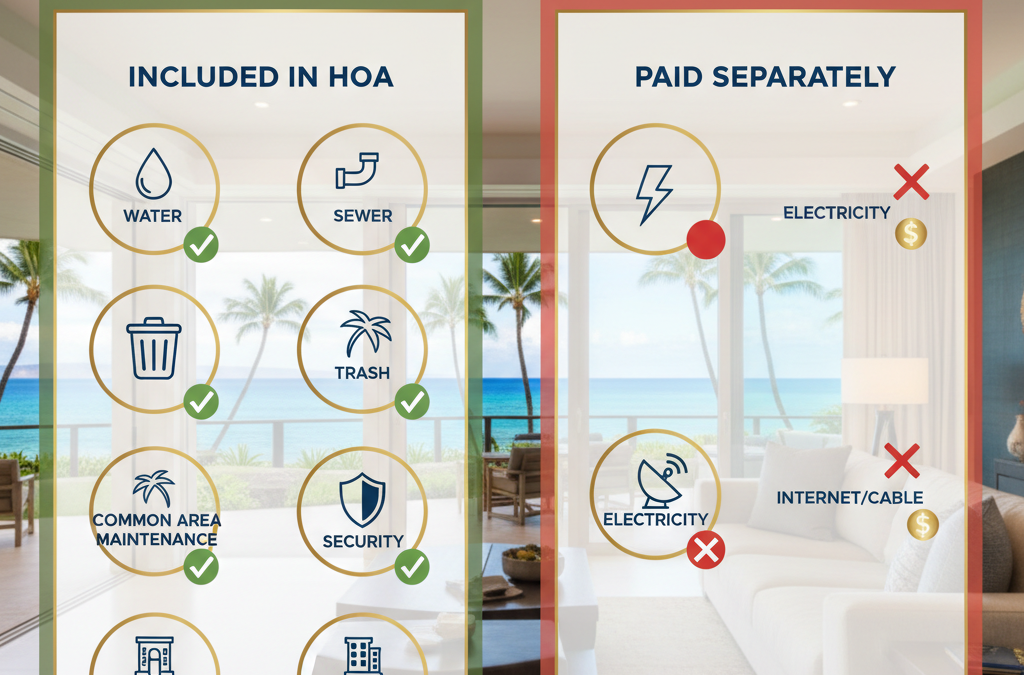
Operating costs are another important consideration. Maintenance, utilities, property management, and homeowners association fees can be significant. To achieve strong returns, properties typically need to meet the expectations of luxury travelers and command competitive nightly rates. A realistic financial projection must account for purchase price, operating expenses, occupancy assumptions, and long-term capital reserves.
For example, a luxury condominium with attractive pricing may carry higher-than-expected HOA fees or age-related maintenance costs. Adjusting projected occupancy and nightly rates to reflect true operating expenses can materially affect the anticipated cap rate and overall return profile.
What Are the Biggest Challenges for Big Island Vacation Rentals?
Quick Answer: The primary challenges include limited inventory, high operating expenses, and evolving county regulations, all of which require proactive due diligence and strategic property selection.
Inventory remains constrained, particularly for properties that meet both luxury standards and short-term rental eligibility requirements. Identifying the right property within the appropriate zoning or resort designation is essential.
The regulatory environment also plays a critical role. County requirements, including zoning restrictions and non-conforming use certifications in certain areas, can affect whether a property may legally operate as a short-term rental. These regulations evolve over time, making thorough due diligence a key component of any acquisition strategy.
In one recent case, a property located outside a designated resort zone required additional permitting considerations. Factoring in application timelines and potential compliance costs allowed the buyer to make an informed decision and structure their offer appropriately.
What Is the Future Outlook for the Kona-Kohala Coast Short-Term Rental Market?
Quick Answer: The long-term outlook remains positive due to sustained tourism demand and continued interest in luxury vacation accommodations, making strategic investment potentially advantageous.
The Big Island continues to attract visitors seeking privacy, space, and high-quality accommodations. Luxury vacation rentals in established resort communities benefit from brand recognition, amenities, and proximity to beaches and golf courses.
Despite regulatory adjustments and rising operating costs, well-located and professionally managed properties have demonstrated resilience. Historically, properties in premier resort communities have shown both capital appreciation and consistent occupancy when priced and managed appropriately.
As with any real estate investment, market conditions fluctuate. However, strong demand fundamentals, limited supply, and the enduring appeal of the Kona-Kohala Coast support a favorable long-term outlook for carefully selected properties.
The Bottom Line: Your Big Island Vacation Rental Investment
Investing in a short-term vacation rental on the Kona-Kohala Coast requires specialized market knowledge, careful financial modeling, and thorough regulatory review. With the right strategy, buyers can position themselves to benefit from both income potential and long-term appreciation in one of Hawaii’s most desirable resort markets.