Quick Answer: The Kona-Kohala Coast luxury real estate market is currently balanced, with a six- to seven-month supply of homes. This indicates conditions that favor neither buyers nor sellers significantly. While 55–56% of transactions are cash, this reflects a decline in financed purchases due to higher interest rates rather than a dramatic surge in cash buyers. Buyers have slightly more negotiation leverage, and sellers must price accurately to sell efficiently.
Key Takeaways: Navigating the Kona-Kohala Coast Market
- Balanced Market: A six- to seven-month supply of homes creates stable conditions for both buyers and sellers.
- Higher Cash Percentage: More than half of transactions are cash, largely because financed purchases have decreased as interest rates have risen.
- Stable Inventory: Approximately 1,000 homes are on the market, with about 150 selling each month.
- Accurate Pricing Matters: Properly priced homes typically sell within 60 to 90 days, while overpriced properties experience longer market times and price reductions.
- Negotiation Opportunities: Increased price reductions provide buyers with modest leverage in negotiations.
Many buyers and sellers ask what current market statistics mean for their specific situation. The answer depends on understanding inventory levels, pricing trends, financing conditions, and local demand within individual resort communities along the Kona-Kohala Coast.
What Does the Rise in Cash Deals Mean for Financed Buyers?
Quick Answer: Although 55–56% of transactions are cash, this is largely due to fewer financed purchases. Well-qualified financed buyers can still compete successfully.
During the 2021 market peak, cash transactions represented approximately 50–51% of sales. Today’s higher percentage reflects the impact of rising interest rates, which have reduced the number of financed transactions. The overall number of cash buyers has remained relatively consistent.
For financed buyers, strong pre-approval, clear documentation, and reasonable contingencies remain essential. Sellers often prioritize certainty and smooth closings over marginal price differences.
How Does Current Inventory Affect Buying Decisions?
Quick Answer: With roughly 1,000 homes available and about 150 monthly sales, the six- to seven-month supply indicates a balanced market with healthy selection.
A six-month supply means that if no new listings were added, it would take approximately six months to sell all current inventory. This contrasts with the pandemic period, when supply often dropped below three months and competition intensified.
Today’s balanced environment gives buyers time to evaluate properties carefully, whether considering a beachfront condominium in Mauna Lani or a private estate in Kukio. Selection is broader, and bidding wars are less common than during peak market conditions.
What Are Average Luxury Home Prices in Kailua-Kona Compared to the Big Island?
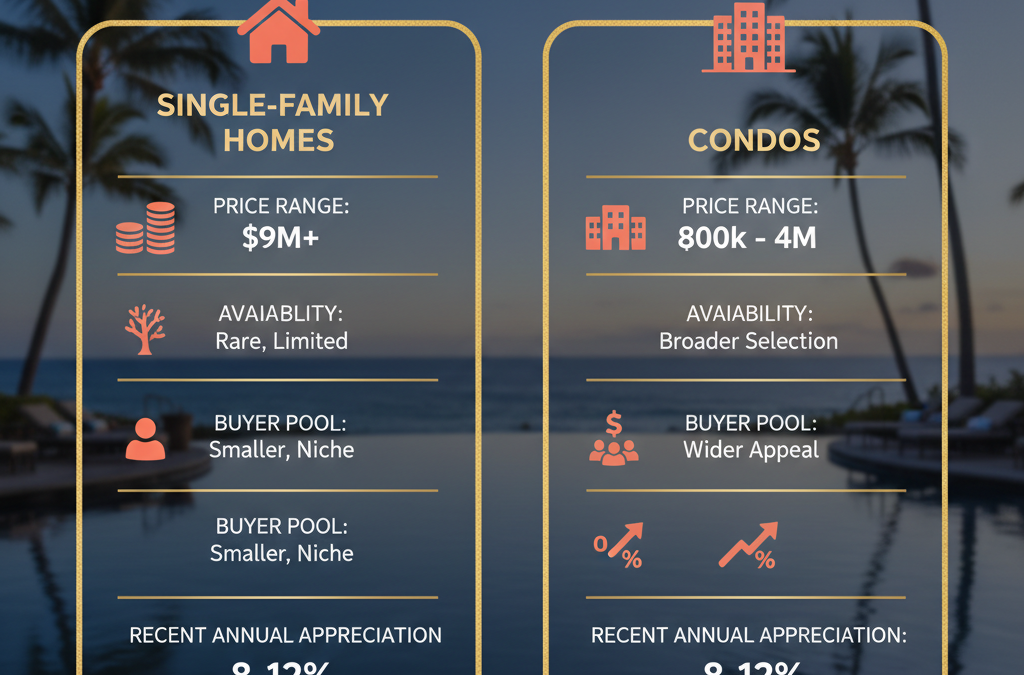
Quick Answer: The average home price on the Big Island is approximately $800,000, while Kailua-Kona averages closer to $1,000,000 due to its premium location and amenities.
The Big Island includes a wide range of property types and price points. Coastal luxury communities command higher averages because of ocean access, resort amenities, golf courses, and proximity to the airport.
Location significantly influences value. A $1,000,000 property in Kailua-Kona may differ substantially from what the same budget would secure within a private resort community.
How Long Do Luxury Homes Take to Sell?
Quick Answer: Average days on market are about 60 days across the Kona-Kohala Coast and closer to 90 days in Kailua-Kona, making accurate pricing critical.
Well-priced properties generally sell within these timeframes. Overpriced homes may remain on the market for six months or longer before requiring reductions. Strategic pricing based on current listings, recent sales, and pending transactions helps minimize market time and maximize results.
Does a Balanced Market Create More Negotiation Power for Buyers?
Quick Answer: Yes. A balanced market and increased price reductions provide buyers with modest leverage on price and terms.
Unlike the peak market period when buyers frequently paid above asking price and waived contingencies, current conditions allow for more thoughtful negotiations. While sellers remain selective, reasonable offers and favorable terms are more common than during previous high-demand cycles.
Recent data shows that approximately 20% of luxury homes sold closed at 5% or more below original asking price, reflecting renewed flexibility compared to prior years.
The Bottom Line: Strategy in a Balanced Market
The Kona-Kohala Coast remains a strong luxury market, now operating under balanced conditions. Buyers benefit from increased selection and negotiation opportunities, while sellers must focus on accurate pricing and strategic marketing to achieve timely results. Understanding these dynamics is essential for making informed decisions in today’s market.
Frequently Asked Questions
Q: Will I pay capital gains tax if I sell my Hawaii second home?
A: If the property is not your primary residence, you will likely owe federal and Hawaii state capital gains tax on any profit. Consult a qualified tax professional for guidance specific to your situation.
Q: What should I ask when interviewing a Kona real estate agent?
A: Ask about their experience in the Kona-Kohala Coast luxury market, marketing strategies, negotiation approach in balanced conditions, and track record with similar properties.
Q: How much does it cost to maintain a vacation rental annually?
A: Typical costs include property management fees (15–25% of gross rental income), property taxes, insurance, utilities, landscaping, pool service, and general upkeep. A common guideline is budgeting 1–3% of the property’s value annually, though actual costs vary.
Q: Which is better for rental income, Waikoloa or Mauna Kea?
A: Both offer strong rental potential. Mauna Kea often commands higher nightly rates due to exclusivity, while Waikoloa offers broader price points and family appeal. Investment goals and property type determine suitability.
Q: What additional costs should I expect with a luxury second home in Hawaii?
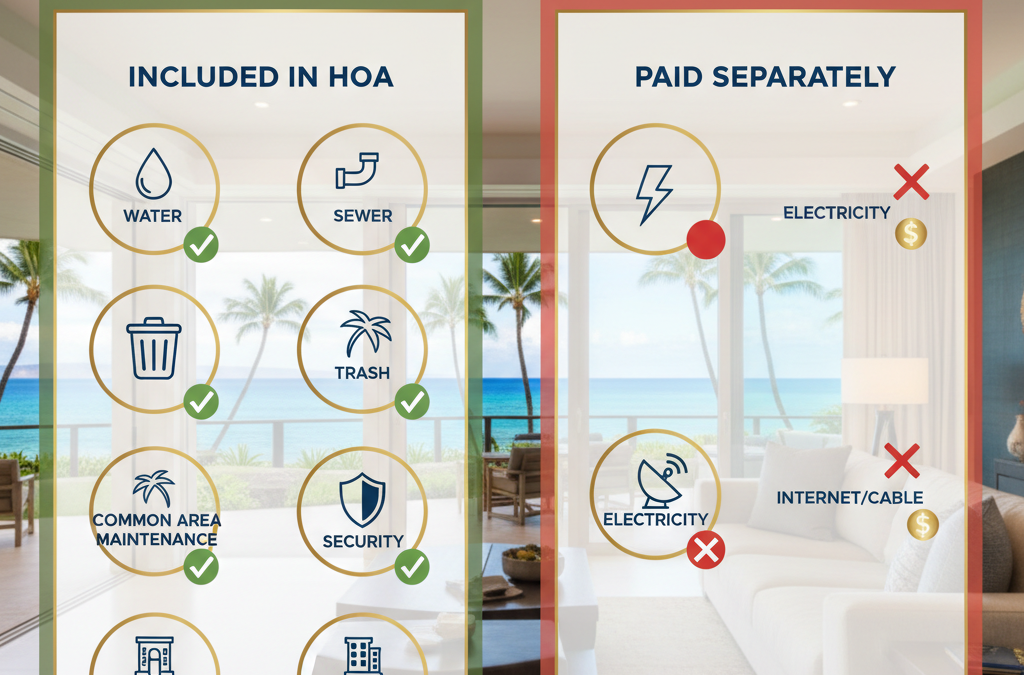
A: Beyond the purchase price, consider homeowners association fees, potential special assessments, higher utility costs, property management expenses, and insurance premiums, including hurricane or flood coverage where applicable.