Quick Answer: FHA approval is crucial for many condo buyers, especially first-time buyers, because it allows lower down payments and easier qualification requirements. If a condo project on the Kona-Kohala Coast is not FHA approved, it significantly limits the pool of potential buyers, which can reduce market value and make it harder to sell the unit in the future. Always confirm FHA approval status before making an offer.
Key Takeaways: FHA Approval for Kona-Kohala Condos
- Verify FHA Status: Always confirm whether a condo project is FHA approved before making an offer, especially if FHA financing could be used by you or future buyers.
- Understand Market Impact: Condos without FHA approval face a smaller buyer pool, which can lead to lower prices and longer time on the market.
- HOA Role Is Critical: Homeowners associations must apply for and maintain FHA approval for units in the project to qualify for FHA loans.
- Consult an Expert: Work with a knowledgeable local real estate professional who understands FHA requirements and their impact on the Kona-Kohala Coast market.
- HUD Resources: The U.S. Department of Housing and Urban Development provides an online tool to search for FHA-approved condo projects.
Over nearly two decades of selling luxury homes on the Kona-Kohala Coast, many buyers and owners ask the same question: “Should I buy a Hawaii condo that is not FHA approved?”
The answer is not simply about financing. It is about understanding how FHA approval affects the long-term marketability of a property. What I refer to as the Polimino Market Clarity System comes from years of experience helping clients understand these details and make better investment decisions. The following sections address the most common questions buyers and sellers ask about FHA approval.
Why does FHA approval matter for my Kona-Kohala Coast condo purchase?
FHA approval matters because it expands the number of buyers who can finance a purchase in your condo project. FHA loans, backed by the U.S. Department of Housing and Urban Development (HUD), allow down payments as low as 3.5 percent and have more flexible credit requirements. These features make FHA loans popular with first-time buyers and those with limited cash for large down payments.
If a condo project is not FHA approved, buyers who rely on FHA financing cannot purchase there. This reduces demand and can affect both the selling price and the time it takes to sell a unit. Properties in FHA-approved projects typically attract more buyers because more financing options are available.
What if my HOA on the Big Island will not obtain FHA approval?
If a homeowners association chooses not to pursue or maintain FHA approval, it creates a significant limitation for owners in the project. FHA guidelines generally require the entire condominium project to be approved rather than individual units. Without that approval, none of the units in the project can be purchased using FHA financing.
This decision can reduce the number of qualified buyers in the future and may affect property values. In some markets, condos without FHA approval sell for less than comparable units in approved projects simply because fewer buyers can finance them.
How do FHA rules affect the resale value of my Hawaii vacation rental condo?
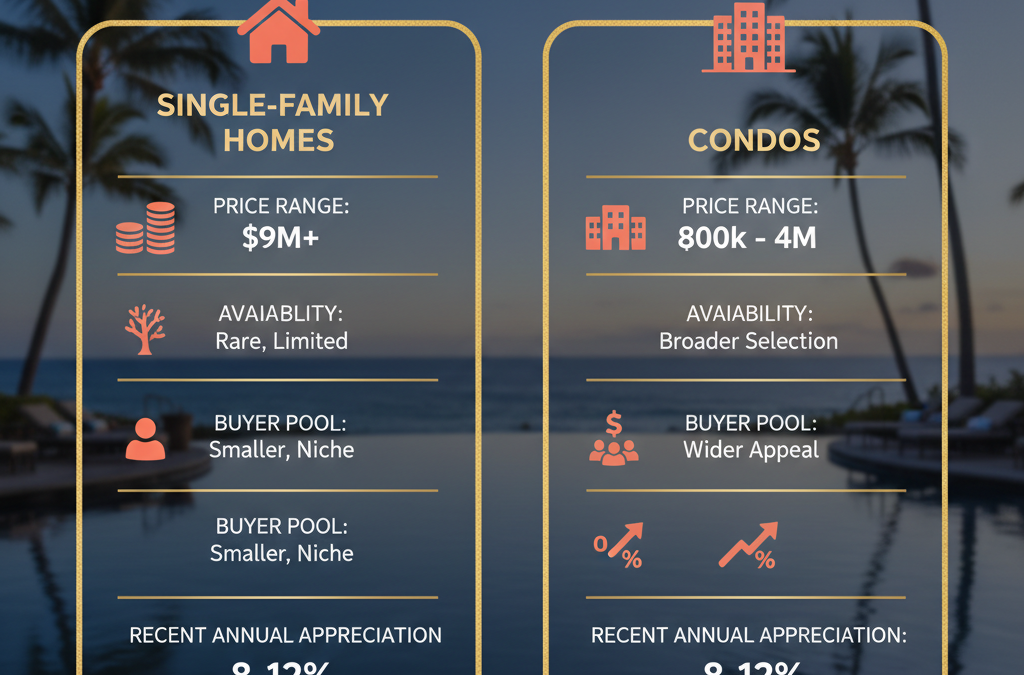
FHA rules influence resale value by affecting buyer demand. When a project is not FHA approved, potential buyers must rely on conventional loans, cash purchases, or other specialized financing. This smaller buyer pool means less competition, which can lead to longer marketing times and lower offers.
By contrast, FHA-approved condo projects typically attract a wider range of buyers. Increased demand can help units sell faster and may support stronger pricing over time. In many cases, approved projects maintain more consistent resale performance because more financing options are available to buyers.
The Bottom Line: FHA Approval and Your Condo Investment
FHA approval is not just a financing detail. It plays an important role in market access and long-term property value. Buyers who choose FHA-approved condos benefit from broader resale potential, while sellers in approved projects typically have access to a larger pool of qualified buyers.
Understanding these factors helps buyers and owners make better decisions about condominium investments on the Kona-Kohala Coast.
Frequently Asked Questions
Q: Where can I check if a Hawaii condo project is FHA approved?
A: The official U.S. Department of Housing and Urban Development website provides a searchable database of FHA-approved condominium projects. This tool is the most reliable source for current approval status.
Q: Does FHA approval apply to all types of condo loans?
A: FHA approval specifically applies to FHA-insured mortgage loans. Conventional loans, VA loans, and cash purchases do not require FHA approval, although the broader market impact can still affect those transactions.
Q: Can a condo project lose its FHA approval?
A: Yes. FHA approval must be periodically renewed, and projects must continue to meet FHA requirements. If a project fails to comply with updated guidelines, its approval can expire or be revoked.
Q: Why might an HOA choose not to pursue FHA approval?
A: Some associations believe the application process is time-consuming or costly, or they may feel their typical buyers do not rely on FHA financing. Others may have concerns about meeting FHA reserve or occupancy requirements.
Q: If I buy a non-FHA approved condo with cash, how does it affect me?
A: While the purchase itself is not affected, the limited buyer pool for non-FHA approved units may make the property harder to sell in the future and could impact resale value.