
Quick Answer: Based on nearly two decades of experience on the Kona-Kohala Coast, the Hawaii luxury real estate market is not poised for a crash, defined as a 20% or greater drop in value. While a healthy cooling is occurring, fundamental factors such as limited supply, strong demand, and significant cash reserves suggest sustained stability and continued appreciation, making this a strategic time to consider investment in areas like Mauna Kea or Hualalai.
Key Takeaways: Understanding the Kona-Kohala Coast Market
- Market Stability, Not Crash: The Kona-Kohala Coast is experiencing a healthy market cooling, not a crash. Prices continue to appreciate at a more sustainable pace.
- Unique Market Dynamics: Hawaii’s limited land, strict building codes, and high demand from affluent buyers create a resilient market insulated from broader economic swings.
- Financial Fortitude: A significant presence of cash buyers and substantial equity among current homeowners provides a strong buffer against downturns.
- Long-Term Investment: Luxury real estate on the Big Island is historically a long-term asset that shows consistent appreciation despite short-term fluctuations.
- Expert Guidance is Key: Navigating this nuanced market requires experienced local insight to identify strategic opportunities in resorts such as Kukio, Mauna Lani, or Kohanaiki.
Over nearly two decades of selling luxury homes on the Kona-Kohala Coast, I have worked with hundreds of affluent individuals considering a second home or investment property. One of the most common questions I hear is, “Should I buy now, or should I wait for the market to decline?”
The answer is not magic; it is a system developed through years of testing, refinement, and proven results. Rather than simply describing the system, here are answers to common questions buyers and sellers ask about the stability of the Hawaii real estate market.
What Does “Tank” Mean for the Kona-Kohala Coast Luxury Market?
Quick Answer: For the luxury market on the Kona-Kohala Coast, “tanking” typically implies a significant and sustained drop in property values, often 20% or more, similar to broader market corrections seen in 2008.
When clients ask if the market is going to “tank,” they are usually envisioning a substantial devaluation of their investment, perhaps 20%, 30%, or even 40%. This would represent a deep correction that erodes equity and confidence. Based on the unique fundamentals of this market, such a dramatic downturn appears highly unlikely. The structural factors supporting the Kona-Kohala Coast make a severe decline improbable.
Example: During the 2008 downturn, while some mainland markets experienced declines of 30–40%, the Kona-Kohala luxury market generally saw more moderate adjustments and recovered more quickly due to strong demand drivers and limited supply.
Why Is the Hawaii Real Estate Market So Unique, Especially on the Big Island?
Quick Answer: Hawaii’s real estate market, particularly the luxury segment on the Kona-Kohala Coast, is uniquely resilient because of extreme land scarcity, stringent development regulations, and sustained demand from a global affluent buyer pool.
Hawaii operates within the natural limits of island geography. Supply is finite, expansion is restricted, and development is carefully regulated. In addition, a significant portion of land is protected. This creates a persistent imbalance between limited supply and strong demand.
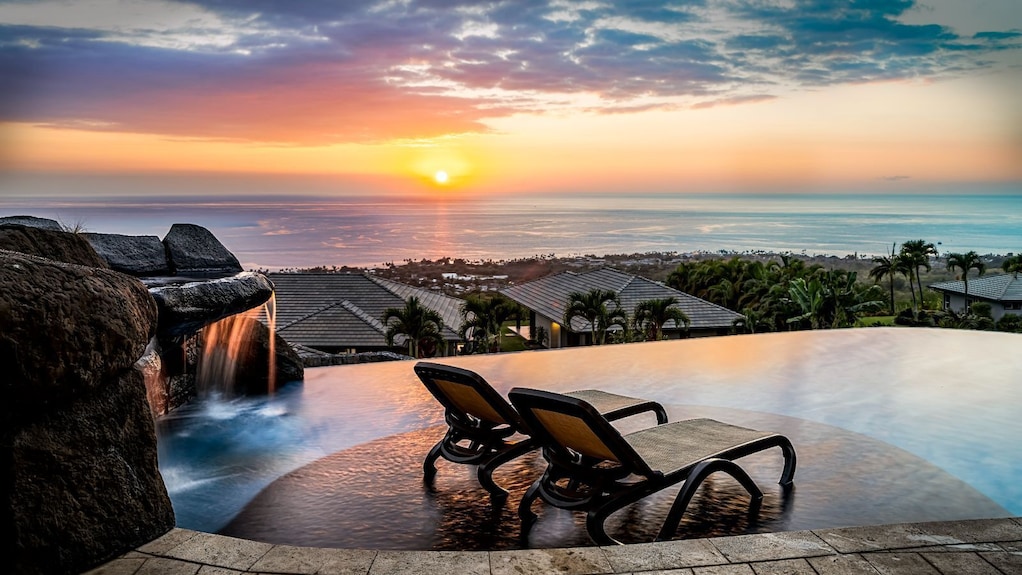
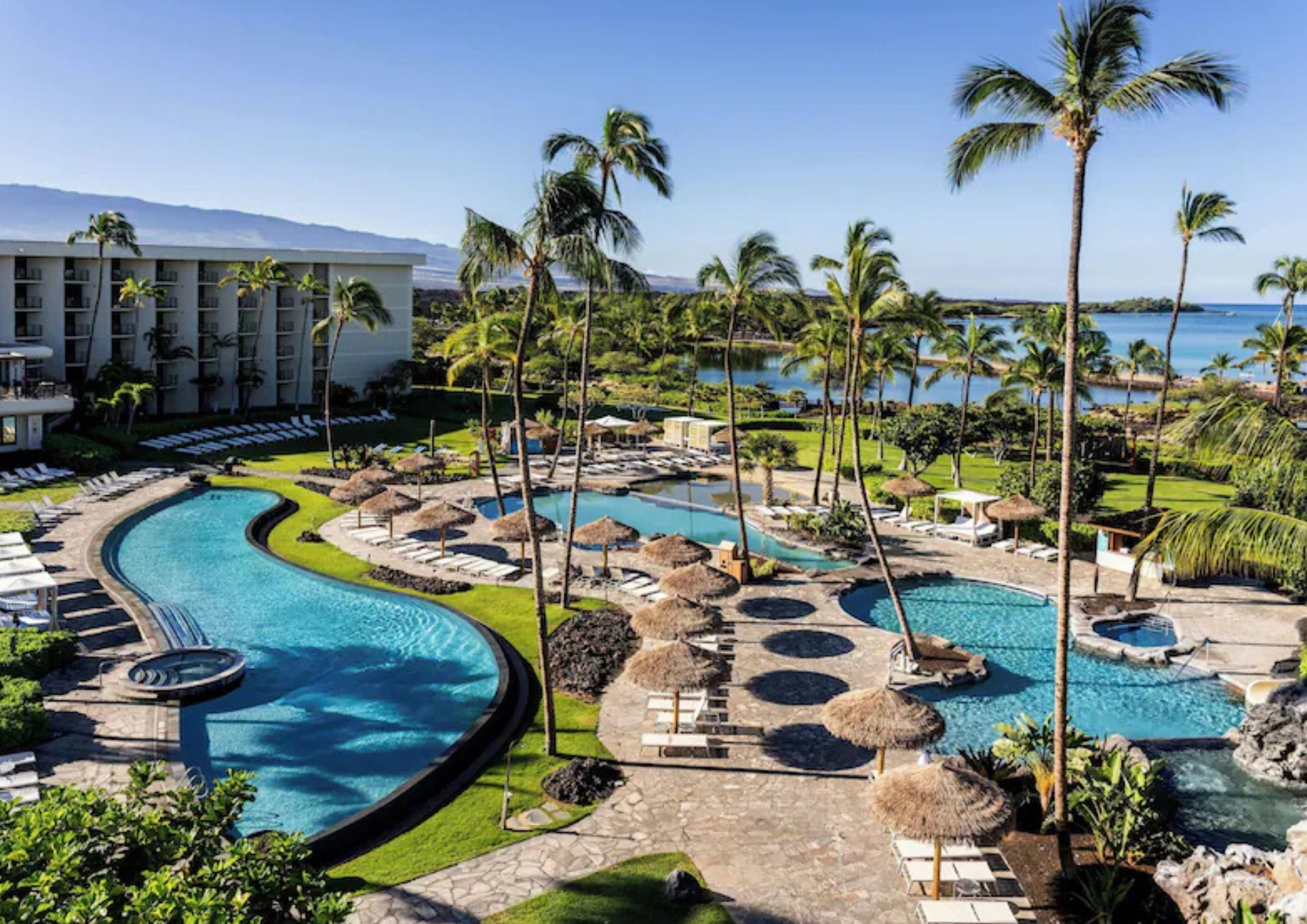
Buyers are not simply purchasing a house; they are investing in lifestyle, legacy, and long-term value. This intrinsic desirability supports consistent demand, especially in premier resort communities such as Kukio, Hualalai Resort, and Mauna Kea Resort.
Example: Oceanfront and golf course frontage properties within exclusive communities such as Kohanaiki or Mauna Lani Resort are limited in number. New developments are rare and often sell out before completion, highlighting the strength of supply constraints.
Are Interest Rates Still Attractive for Luxury Buyers?
Quick Answer: Although interest rates have risen from historic lows, they remain reasonable by long-term historical standards and continue to support buyer activity, particularly for those financing a portion of their purchase.
While exceptionally low mortgage rates are no longer available, current rates remain moderate when viewed historically. Many luxury buyers finance only a portion of their purchase or pay entirely in cash, making them less sensitive to rate fluctuations than conventional buyers. Recent stabilization in rates has also supported renewed confidence in the market.
Example: For a $5 million home, financing $2 million at a higher rate increases monthly payments significantly. However, many luxury buyers on the Kona-Kohala Coast make substantial down payments or purchase entirely with cash, reducing their exposure to rate changes.
Is There Enough Cash in the Market to Prevent a Crash?
Quick Answer: Yes. A substantial portion of luxury home purchases on the Kona-Kohala Coast are cash transactions, providing a meaningful buffer against interest rate fluctuations and economic downturns.
Unlike many conventional markets where financing drives activity, a significant percentage of transactions here are all-cash. These buyers are typically high-net-worth individuals who view Hawaii property as a long-term asset rather than a short-term investment. Because they are not highly leveraged, they are far less likely to become forced sellers during economic uncertainty.
Example: In some luxury segments of the Kona-Kohala Coast, cash transactions can account for 40–60% or more of total sales, compared to national averages that are often below 30%.
Do Current Homeowners Have Enough Equity to Ride Out a Market Downturn?
Quick Answer: Yes. Homeowners on the Kona-Kohala Coast generally hold substantial equity, providing a strong financial cushion during market fluctuations.
One of the major differences between today’s market and the 2008 financial crisis is homeowner equity. Many current owners purchased years ago and have benefited from long-term appreciation, resulting in significant equity positions. This reduces the likelihood of distressed sales and supports overall market stability.