
Quick Answer: A post-occupancy agreement allows you to stay in your home after closing, typically for a short, defined period. On the Kona-Kohala Coast, this can make your property more attractive to buyers, especially in competitive markets, by providing flexibility for their move-in while ensuring you have time to transition to your next luxury property.
Key Takeaways: Navigating Post-Occupancy on the Big Island
- Seller Flexibility: Allows you to remain in your home after the sale, which is crucial for coordinating complex moves or new construction. If you are awaiting completion of a new build in Kukio, this bridge period can be invaluable.
- Buyer Incentive: Offering post-occupancy can help your property stand out in a competitive market, potentially securing a higher sale price or more favorable terms for your Hualalai estate.
- Clear Terms Are Critical: A well-drafted agreement must detail rent, utilities, maintenance, and security deposits to protect both parties. The Polimino Protection Plan emphasizes strong, clearly written contracts.
- Risk Mitigation: Both buyers and sellers face risks, from delays in moving out to unexpected property damage. Proper legal and real estate guidance is essential for luxury transactions.
- Market Advantage: In certain Kona-Kohala Coast market conditions, a well-structured post-occupancy agreement can be a strategic tool that demonstrates commitment to a smooth transaction.
Over nearly two decades of selling luxury homes on the Kona-Kohala Coast, I have worked with hundreds of affluent sellers and buyers. One of the most common questions I hear is, “Can I stay in my home after I sell it, and is that a good idea for my Hawaii property?”
The answer is not magic; it is a system. What I call the Polimino Protection Plan is the result of years of testing, refinement, and proven results. Rather than simply describing the system, let me address the most common questions sellers and buyers ask about post-occupancy agreements and explain how we approach them differently.
Why would I want to stay in my luxury home after selling it on the Kona-Kohala Coast?
Many luxury sellers need additional time after closing. You may be coordinating the purchase of another high-end property and require sale proceeds to complete that transaction. You may also be overseeing the final stages of construction on a custom estate in Mauna Kea Resort. A post-occupancy agreement provides a practical buffer, helping you avoid the expense and inconvenience of moving twice.
For example, a client recently sold a Hualalai villa but required an additional 45 days while a new build in Kukio was finalized. The agreement provided a seamless transition and eliminated unnecessary stress.
Why would a buyer agree to a post-occupancy agreement for my Hawaii second home?
In the competitive luxury market on the Kona-Kohala Coast, a buyer who agrees to post-occupancy often strongly desires your property. This flexibility can make their offer more compelling, especially when multiple offers are involved.
A buyer relocating from the mainland, for instance, may need time to finalize logistics but still wants to secure a property in a prime location such as Mauna Lani Resort. In many cases, this flexibility can translate into a higher purchase price or more favorable contract terms for the seller.
What are the risks of a post-occupancy agreement for my vacation rental on the Big Island?
For sellers, the primary risk is a delayed or failed closing, which could complicate your next move. For buyers, the main concern is that the seller may not vacate on time or may cause damage during the occupancy period.
A comprehensive agreement reduces these risks by clearly outlining responsibilities, including rent, timelines, maintenance, and security deposits. Substantial deposits and defined penalties for non-compliance help protect both parties and minimize potential disputes.
What should be included in a post-occupancy agreement for a luxury property?
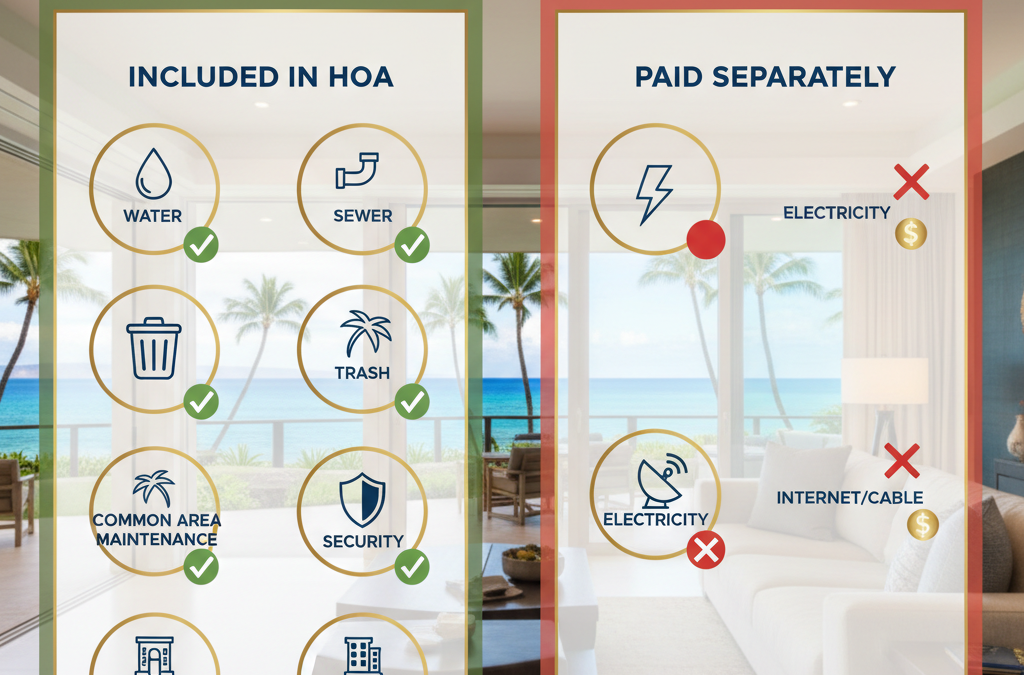
A detailed post-occupancy agreement for a luxury property on the Kona-Kohala Coast should specify the exact duration of occupancy, the daily or weekly rent owed to the buyer, and responsibility for utilities, landscaping, pool service, and general maintenance.
It should also include a meaningful security deposit, often one and a half to two times the monthly rent for high-value properties, to address potential damage or overstay penalties. Clear terms protect both buyer and seller and promote a smooth transition.
Is a post-occupancy agreement right for my Kona-Kohala Coast sale?
Whether a post-occupancy agreement is appropriate depends on your individual circumstances and current market conditions. If you need flexibility for your next purchase or construction timeline, or if the market is competitive and flexibility strengthens your negotiating position, it can be a powerful tool.
However, additional complexities must be carefully considered. For example, if you are selling a vacation rental, lost rental income during the occupancy period should be factored into your financial planning. A thoughtful evaluation of timing, risk, and financial impact is essential before proceeding.
The Bottom Line: Strategic Flexibility in Luxury Real Estate
A post-occupancy agreement is more than a convenience. It is a strategic tool in the Kona-Kohala Coast luxury real estate market. When structured properly, it provides meaningful flexibility for sellers and a compelling incentive for buyers, facilitating smoother transactions for high-value properties.
I would not be surprised to see more buyers offering post-occupancy options in the coming year to secure prime properties. We would be honored to be of service.
Frequently Asked Questions
Q: Can I charge rent during post-occupancy for my Hawaii luxury home?
A: Yes. It is standard practice for the seller to pay rent to the buyer during the post-occupancy period. The amount is negotiated in the contract and typically reflects fair market value for comparable luxury properties.
Q: What if the seller damages my new home during post-occupancy?
A: A properly structured agreement includes a substantial security deposit to cover potential damage or excessive wear and tear. This deposit helps ensure funds are available for necessary repairs.
Q: How long can a post-occupancy agreement typically last on the Kona-Kohala Coast?
A: Most agreements range from 30 to 60 days. Longer terms may introduce additional risk and complexity, making them less attractive to buyers.
Q: Do I need specific insurance coverage during a post-occupancy period?
A: Both parties should review their insurance policies. The seller should maintain renter’s insurance during occupancy, and the buyer should confirm that the homeowner’s policy covers the property while it is occupied by the former owner.
Q: Can a post-occupancy agreement be terminated early?
A: Early termination provisions can be included in the contract, but they must be clearly defined. Without specific language, both parties are generally bound by the agreed-upon terms.