Quick Answer: For luxury second home buyers on the Kona-Kohala Coast, paying mortgage points can be a smart strategy if you plan to hold the property for more than five to seven years, as the long-term interest savings often outweigh the upfront cost. However, if your investment horizon is shorter or you prefer to preserve cash flow, opting for a higher rate without points might be more suitable.
Key Takeaways: Mortgage Points for Hawaii Luxury Properties
- Long-Term Value: Paying points often makes financial sense for second homes or investment properties you intend to keep for over 5–7 years.
- Cash Flow Considerations: Evaluate your current liquid assets and whether the upfront cost impacts your ability to cover other luxury property expenses.
- Break-Even Analysis: Always calculate the exact time it takes for the interest savings to offset the point cost; this is critical for high-value loans.
- Tax Implications: Consult a specialist in high-net-worth tax planning to understand potential deductions for points on your Hawaii luxury property.
- Refinancing Strategy: Rolling points into a refinance can ease upfront costs but increases your total loan amount and overall interest paid.
Over nearly two decades selling luxury homes on the Kona-Kohala Coast, I’ve worked with hundreds of affluent individuals considering Hawaii as a second home or vacation rental investment. One of the most common questions I hear is: “Should I pay points on my new mortgage loan for my Hawaii property?”
The answer isn’t magic—it’s a system. What I call the Polimino Financial Clarity System is the result of years of testing, refinement, and proven results. Rather than simply describing the system, let me address the five most common questions affluent buyers ask about mortgage points. These are real questions from luxury homeowners, along with honest answers that explain exactly what we do differently.
Are mortgage points worth the upfront cost for my Kona-Kohala Coast investment property?
More often than not, for a long-term hold on a Kona-Kohala Coast investment property, paying points can be a sound financial decision. A point is simply a fee equal to one percent of the loan amount, paid to the lender to secure a lower interest rate. For example, on a $3 million loan, one point would cost $30,000.
If you plan to keep your Hawaii vacation rental for a decade or more, the cumulative interest savings from a lower rate will typically exceed that initial outlay. This is a core principle of the Polimino Financial Clarity System: always evaluate the long-term return on investment. Historically, luxury properties on the Big Island have shown strong appreciation, making long-term ownership desirable and increasing the value of buying down the rate.
How long do I need to own my Hawaii second home to make paying points worthwhile?
To determine whether paying points is worthwhile for your Hawaii second home, calculate your break-even point. This is the time required for your monthly interest savings to equal the upfront cost of the points.
For example, if one point costs $20,000 and saves $250 per month, it would take about 80 months (approximately 6.7 years) to break even. If you expect to sell or refinance before that period, paying points may not be the most efficient use of capital.
The Polimino Financial Clarity System emphasizes personalized break-even analysis for every client, ensuring decisions align with their specific ownership horizon. For many luxury buyers on the Kona-Kohala Coast, the typical hold period exceeds seven years, making points a viable option.
How do I balance paying points with preserving cash for other Hawaii property expenses?
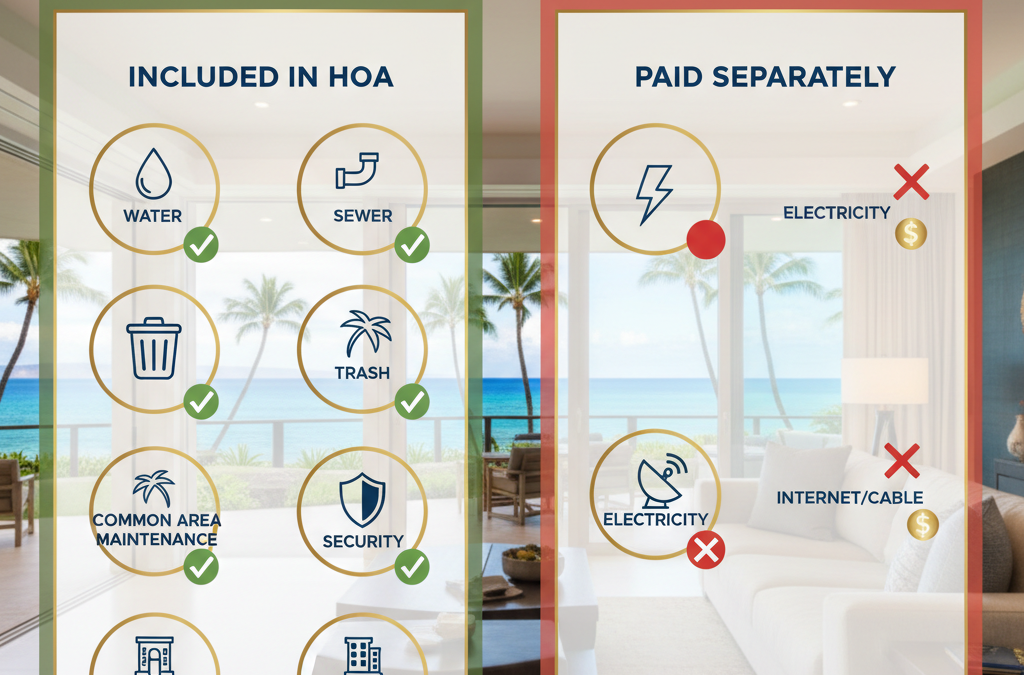
Balancing the upfront cost of points with the need to preserve cash for other property expenses—such as property taxes, HOA fees, or renovations in communities like Hualalai or Mauna Kea—is essential.
If you have ample liquidity, paying points can reduce your long-term interest burden. However, if you prefer to maintain a larger cash reserve for property management or unexpected costs, accepting a slightly higher interest rate without points may be more practical.
The Polimino Financial Clarity System recommends reviewing your entire financial picture—not just the mortgage—to ensure optimal cash flow management for your Hawaii investment. For example, annual property taxes on a $5 million home can exceed $20,000.
What’s the interest rate difference I can expect for each point paid on my luxury condo mortgage?
Lenders typically offer a specific interest rate reduction for each point paid, although this varies depending on market conditions and the lender. Often, one point may reduce the interest rate by about 0.125% to 0.25%.
For instance, on a $2 million loan, reducing the rate from 7.00% to 6.75% could save hundreds of dollars per month. Even a small percentage reduction can translate into substantial savings over the life of a large mortgage.
The Polimino Financial Clarity System involves comparing multiple lender offers and carefully analyzing the rate-to-point trade-off to identify the most advantageous financing structure for your Kona-Kohala Coast property.
Are mortgage points tax deductible for my Hawaii vacation rental, and how does that impact my decision?
In many cases, mortgage points paid on a loan for a primary residence or second home—including a Hawaii vacation rental—may be tax deductible. This deduction can increase the financial appeal of paying points because it effectively reduces their net cost.
However, the rules can be complex, especially for investment properties or high-net-worth individuals. The Polimino Financial Clarity System recommends consulting a tax professional experienced with second homes and high-value investments. They can provide precise guidance on how points may be deducted on federal and state taxes, which is especially important if the property generates rental income.
For example, points on a $4 million loan could represent a substantial deduction, potentially saving tens of thousands of dollars in taxes.
The Bottom Line: Strategic Financing for Your Kona-Kohala Coast Property
Deciding whether to pay points on your luxury mortgage is a strategic financial decision that depends on your long-term goals, cash flow, and tax considerations. The Polimino Financial Clarity System evaluates every aspect to provide a clear, data-driven recommendation tailored to your circumstances and your property on the Kona-Kohala Coast.
I would not be surprised to see more luxury buyers strategically leveraging points as interest rates stabilize. We would be honored to be of service.
Frequently Asked Questions
Q: Can I roll points into my mortgage when refinancing a Kona-Kohala Coast property?
A: Yes. When refinancing, you can often roll the cost of points into your new loan. This reduces your upfront cash requirement but increases your total loan amount and the overall interest paid over time.
Q: Do all luxury lenders offer the option to pay points for a lower rate?
A: Most luxury lenders and private banking divisions serving high-net-worth individuals offer this option, though the exact terms and rate reductions vary by lender.
Q: How do points impact my cash flow for a Hawaii investment property?
A: Paying points reduces your available cash initially, but the lower monthly mortgage payment can improve long-term cash flow, which is important for managing vacation rental operating expenses.
Q: Is there a maximum number of points I can pay to lower my interest rate?
A: While there is no universal maximum, lenders typically limit points to about one to three. Beyond that range, the additional rate reduction becomes minimal.
Q: Should I prioritize a lower interest rate or lower closing costs on my Hawaii second home?
A: This depends on how long you expect to keep the property. If you plan long-term ownership, prioritizing a lower interest rate through points often produces greater overall savings than simply minimizing closing costs.