
Quick Answer: As a foreign buyer considering a second home or vacation rental on the Kona-Kohala Coast, you will find that the United States has no ownership restrictions. However, you must obtain a U.S. Tax Identification Number (TIN) for IRS compliance, including FIRPTA requirements. It is also important to consider currency exchange rates and to work with an experienced local real estate agent and attorney to navigate Hawaii’s unique market complexities.
Key Takeaways: Navigating Hawaii Real Estate as a Non-U.S. Citizen
- No Ownership Restrictions: The United States allows foreign nationals to own real estate, but tax and legal considerations are critical.
- Tax ID and FIRPTA: A U.S. Tax Identification Number (TIN) is required, and the Foreign Investment in Real Property Tax Act (FIRPTA) affects withholding upon sale.
- Visa vs. Ownership: A visa is not required to purchase property, but it is necessary for entry and residency in the United States.
- Currency Fluctuations: Exchange rate changes can significantly impact your purchase cost and the value of funds transferred back to your home country.
- Local Expertise Is Essential: Partnering with a Hawaii-based real estate agent and attorney is crucial for a smooth and compliant transaction.
Over nearly two decades of selling luxury homes on the Kona-Kohala Coast, I have worked with many mainland and international buyers considering Hawaii as a second home or vacation rental investment. One of the most common questions I hear is: “What unique challenges or considerations do foreign buyers face when purchasing a luxury property in Hawaii?”
The answer is not magic—it is a system. What I call the Polimino Global Buyer System is the result of years of experience navigating the nuances of international transactions in Hawaii. Rather than simply describing the system, here are answers to the most common questions foreign buyers ask about purchasing real estate in Hawaii.
Do I Need a Visa to Buy a Second Home or Vacation Rental on the Kona-Kohala Coast?
Quick Answer: No, a visa is not required to purchase property in the United States, but it is required to enter and reside in the country.
The U.S. government places no restrictions on foreign ownership of real estate. You may purchase property regardless of your immigration status. However, owning property does not grant residency or the right to remain in the country. You must obtain the appropriate visa depending on how often and how long you intend to stay.
Example: A buyer from Japan recently purchased an oceanfront villa in Mauna Lani Resort without issue. However, they still relied on their tourist visa for visits, as ownership and immigration status are separate matters.
What Tax Implications Should I Consider as a Foreign Buyer?
Quick Answer: You will need a U.S. Tax Identification Number (TIN) and must understand FIRPTA, which requires withholding on sale proceeds.
Foreign buyers must obtain a Tax Identification Number from the Internal Revenue Service (IRS) for tax reporting purposes. In addition, FIRPTA requires that when a foreign owner sells U.S. real estate, typically 15% of the gross sales price is withheld and remitted to the IRS. This is not an additional tax but a withholding mechanism to ensure capital gains taxes are paid.
Example: A Canadian client selling a vacation rental in Hualālai Resort worked with a tax specialist to apply for a withholding certificate. This reduced the amount withheld at closing to reflect their actual tax liability rather than the full 15%.
How Do Currency Exchange Rates Impact My Purchase?
Quick Answer: Exchange rate fluctuations can significantly affect both the cost of your purchase and the value of funds repatriated to your home country.
The relative strength of the U.S. dollar compared to your home currency can change during your property search or escrow period. A stronger dollar increases your effective purchase cost, while a weaker dollar may create savings. Exchange rates also affect ongoing expenses such as property taxes, maintenance, and rental income conversions.
Example: A European buyer who locked in an exchange rate early in the process avoided significant additional costs when the U.S. dollar strengthened before closing, saving nearly $75,000 on a $5 million purchase.
Why Is It Crucial to Work With Local Hawaii Professionals?
Quick Answer: Hawaii’s legal framework, zoning, ownership structures, and tax considerations are unique, making local expertise essential.
The Kona-Kohala Coast market includes nuances such as leasehold versus fee simple ownership, zoning regulations, lava zones, and resort-specific rules. A Hawaii-based real estate agent and attorney experienced in international transactions can help coordinate lenders, tax advisors, and property managers to ensure compliance and protect your investment.
Example: An Australian buyer considering property in Waikoloa Beach Resort initially consulted a mainland attorney unfamiliar with Hawaii’s leasehold structures. A local legal expert clarified the long-term implications, helping the buyer make an informed decision.
The Bottom Line: Your Hawaii Dream Home Is Achievable With Proper Guidance
Purchasing a luxury second home or vacation rental on the Kona-Kohala Coast as a foreign buyer is entirely achievable. Success depends on understanding the financial, legal, and logistical considerations involved. By assembling a team of experienced local professionals, you can navigate these complexities confidently and ensure a smooth transaction.
Continued strong interest from foreign buyers is expected, driven by both lifestyle appeal and investment potential. We would be honored to assist you.
Frequently Asked Questions
Q: Do I need to be physically present in Hawaii to close on a property?
A: Not necessarily. Many transactions can be completed remotely through electronic signatures, international wire transfers, or power of attorney arrangements, provided all legal requirements are met.
Q: Can I obtain a mortgage as a foreign buyer?
A: Yes, though requirements are typically stricter than for U.S. citizens. Lenders often require larger down payments, additional documentation, and proof of financial stability.
Q: What are the ongoing costs of owning a second home in Hawaii?
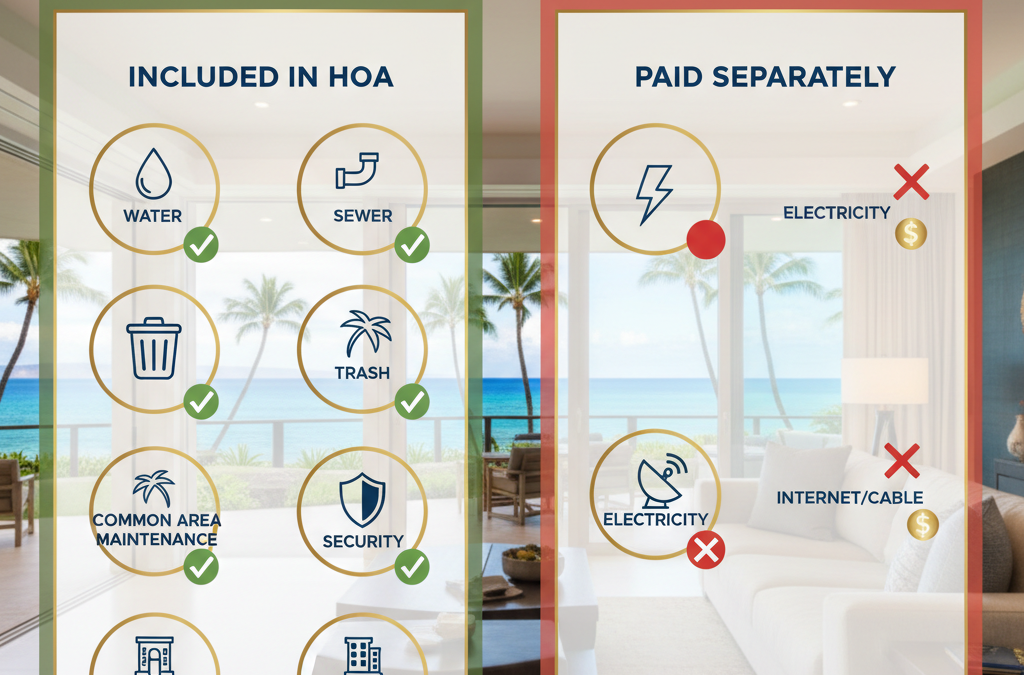
A: Ongoing costs may include property taxes, insurance, utilities, HOA fees, maintenance, and property management if used as a vacation rental. Currency fluctuations should also be considered when budgeting.
Q: What are the tax implications if I rent out my Hawaii property?
A: Rental income earned in the United States by foreign owners is subject to U.S. income tax. Foreign owners typically file Form 1040NR and may be subject to withholding unless they elect to treat the income as effectively connected with a U.S. trade or business. Consulting a qualified U.S. tax professional is essential.