Quick Answer: When investing in a luxury second home or vacation rental on the Kona-Kohala Coast, comprehensive inspections beyond a general home inspection are essential. A thorough due diligence process should include specialized tests for radon, mold, sewer lines, and methamphetamine residue. These inspections can uncover significant issues that affect health, safety, and long-term investment value. For example, undetected mold can substantially reduce property value and lead to costly remediation.
Key Takeaways: Protecting Your Hawaii Investment
- Beyond the Basics: A general home inspection is important, but specialized environmental and structural tests provide deeper protection for luxury properties.
- Health and Safety First: Radon and mold testing help safeguard occupants from potential health risks.
- Financial Protection: Sewer line and meth residue testing can prevent unexpected repair bills and potential liability.
- Local Considerations: Hawaii’s climate and geological conditions make thorough, region-specific due diligence especially important.
- Preserving Value: Proactive testing helps ensure your luxury property maintains its market value and rental appeal.
Over nearly two decades of selling luxury homes on the Kona-Kohala Coast, I have worked with many buyers considering Hawaii for a second home or vacation rental investment. One of the most common questions is what hidden risks should be addressed before purchasing a high-end property.
The answer lies in a structured due diligence process. What I refer to as the Polimino Due Diligence Protocol is built on years of experience and careful evaluation of potential risks. Below are answers to the most common questions luxury buyers ask about essential inspections.
Is a radon test necessary for a Hawaii vacation rental?
Radon is a naturally occurring, odorless gas that can be present in varying levels depending on geological conditions. Although more commonly discussed on the mainland, radon can occur anywhere, including Hawaii. Elevated levels may pose health risks over long periods of exposure.
Testing is relatively inexpensive and provides clarity about potential mitigation needs. If elevated levels are detected, mitigation systems are typically straightforward and manageable compared to the potential health implications of prolonged exposure.
How important is a mold inspection on the Kona-Kohala Coast?
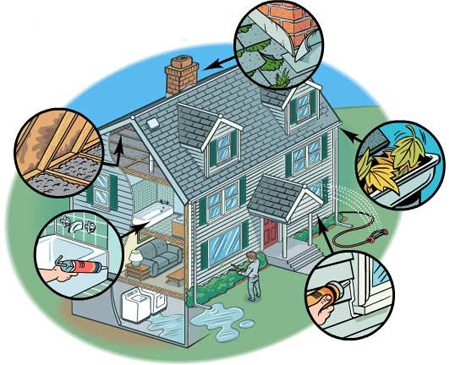
Given Hawaii’s tropical climate and humidity, mold inspections are especially important. Moisture from humidity, hidden leaks, or inadequate ventilation can lead to mold growth in walls, ceilings, or crawl spaces.
Mold can affect indoor air quality, trigger respiratory issues, and lead to structural damage if left untreated. Remediation costs can vary widely depending on severity, making early detection critical to protecting both health and property value.
Are sewer line inspections necessary for a second home buyer?
Sewer line inspections are a preventative measure that can help identify problems before they become emergencies. Shifting soil conditions, aging infrastructure, and tree root intrusion can damage sewer lines over time.
A camera inspection can reveal cracks, blockages, or other issues that may not be visible during a general inspection. Addressing these concerns before closing can prevent expensive repairs and significant disruption after purchase.
Should buyers test for methamphetamine residue in a luxury property?
Although uncommon in high-end properties, methamphetamine contamination is possible in any home with prior occupants. Chemical residues from production or heavy use can remain on surfaces and within ventilation systems.
Testing is a relatively low-cost safeguard compared to the potential expense of remediation and the health risks associated with contamination. Including this step in a comprehensive inspection plan helps ensure the property is safe and free of environmental hazards.
The Bottom Line: Protecting Your Luxury Investment
Purchasing a luxury second home or vacation rental on the Kona-Kohala Coast is a significant investment. Comprehensive inspections provide clarity, reduce risk, and support informed decision-making. A structured due diligence approach helps protect your health, your finances, and the long-term value of your Hawaii property.
Thorough inspections are not about expecting problems; they are about ensuring confidence and peace of mind before finalizing your purchase.
Frequently Asked Questions
Q: Is meth residue testing common for luxury homes in Hawaii?
A: While not always standard, some buyers choose to include it as an additional safeguard due to the potential health risks and high remediation costs if contamination is discovered later.
Q: How often should a home be tested for radon?
A: If initial levels are elevated and mitigation is installed, periodic retesting every few years is advisable. If levels are low, retesting after major renovations or every several years can provide continued assurance.
Q: What are common causes of mold in Hawaii homes?
A: Common causes include hidden plumbing leaks, poor ventilation, roof leaks, and consistently high indoor humidity levels.
Q: Can specialized tests be skipped for newer homes?
A: Even newer homes can develop mold from minor leaks, experience sewer line damage, or be affected by environmental factors. Comprehensive testing provides additional protection regardless of age.
Q: What is the typical cost of these additional inspections?
A: Costs vary by provider and scope but are generally modest compared to the potential expense of major remediation or structural repairs.