
Quick Answer: Relocating to the Kona-Kohala Coast requires patience, flexibility, and a genuine appreciation for local culture and community. The cost of living is typically 30–50% higher than many mainland areas, particularly for housing, groceries, and services. However, for many buyers, the lifestyle, natural beauty, and long-term investment potential outweigh these considerations.
Key Takeaways: Preparing for Your Luxury Relocation to the Kona-Kohala Coast
- Patience Is Essential: Services and projects often move at a slower pace than on the mainland.
- Embrace Flexibility: Shipping delays, weather, and limited resources can affect timelines.
- Immerse Yourself in Culture: Learning local traditions and supporting community initiatives enriches your experience.
- Budget Carefully: Housing, groceries, utilities, and services are significantly more expensive.
- Build Local Connections: Community involvement helps you feel rooted and supported.
How Can You Adjust to the Slower Pace of Island Life?
Quick Answer: Set realistic expectations and allow additional time for projects, services, and scheduling.
The Kona-Kohala Coast operates on a different rhythm than major mainland cities. Securing contractors, scheduling renovations, or sourcing specialty materials may take considerably longer due to limited availability and high demand. This is not inefficiency; it reflects the realities of island logistics and a culture that values relationships and craftsmanship over speed.
Building extra time into your plans and scheduling services well in advance reduces stress and leads to smoother transitions. Patience often results in better long-term outcomes.
Why Is Flexibility Important When Moving to the Big Island?
Quick Answer: Island logistics, including shipping and supply chains, require adaptability.
Relocating to Hawaii involves unique variables such as weather conditions, port schedules, and limited inventory. Furniture shipments, specialty appliances, or replacement parts may take weeks longer than expected. Repair timelines can extend if items must be flown in from the mainland.
Approaching the move with contingency plans and a flexible mindset allows you to adapt quickly when circumstances shift. Flexibility is one of the most valuable traits for enjoying island living.
How Can You Embrace the Culture of the Kona-Kohala Coast?
Quick Answer: Engage actively with local traditions, events, and businesses to build authentic connections.
Hawaii’s culture is deeply rooted in respect for land, community, and heritage. Learning basic Hawaiian words such as “Aloha” and “Mahalo,” supporting local farmers’ markets, attending hula performances, or participating in cultural festivals fosters meaningful engagement.
Visiting historical organizations, community events, and local art galleries provides insight into the island’s heritage and strengthens your connection beyond the resort environment. Immersion transforms ownership into belonging.
Why Is Community Involvement Important?
Quick Answer: Community engagement builds relationships, local knowledge, and long-term fulfillment.
Whether your property is a primary residence or second home, forming connections enhances your experience. Joining local clubs, volunteering, or attending neighborhood events helps create a support network and offers practical insights into island life.
Community participation also provides trusted referrals for contractors, property managers, and service providers, which can be invaluable when managing a luxury home or vacation rental.
What Are the Hidden Costs of Living in Hawaii?
Quick Answer: In addition to higher home prices, expect elevated costs for groceries, utilities, insurance, private education, and luxury services.
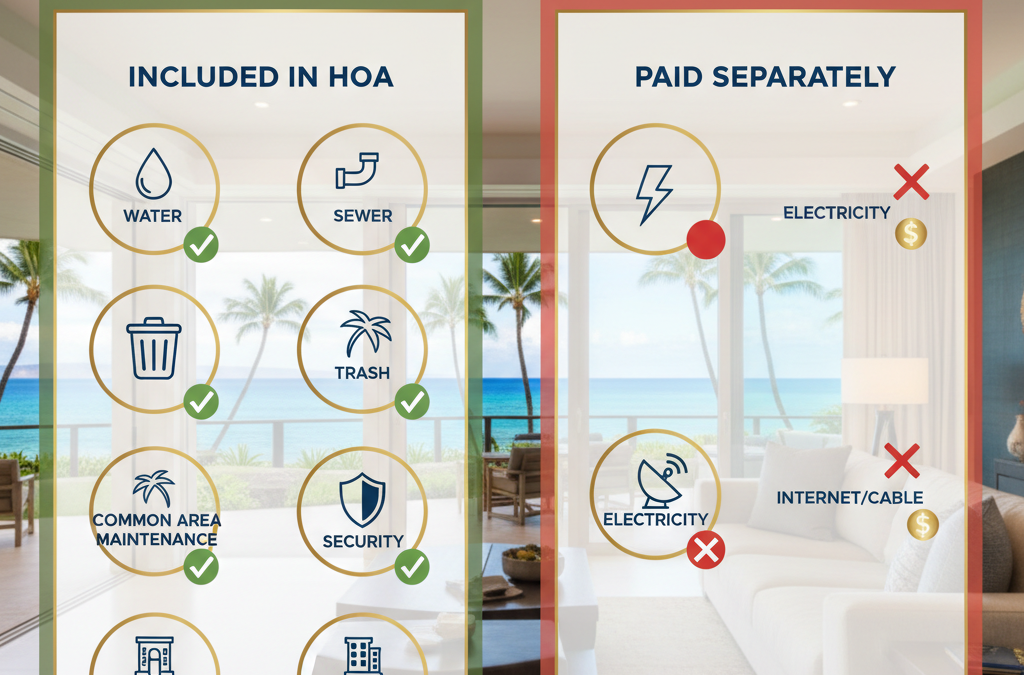
Groceries may cost 30–60% more than mainland prices due to shipping expenses. Electricity rates are often two to three times higher. Homeowner’s insurance, especially for oceanfront properties, can be substantial. In resort communities, homeowners association fees may range from $1,500 to $5,000 or more per month.
Private school tuition on the island may range from $20,000 to $35,000 per child annually. Property tax rates are generally lower than many mainland markets, but they apply to higher property values. For example, owner-occupied residences may be taxed around $3.50 per $1,000 of assessed value, while non-owner-occupied properties may be taxed at higher rates.
Careful budgeting that accounts for utilities, insurance, maintenance, and lifestyle expenses ensures there are no surprises after relocation.
The Bottom Line: Making an Informed Move
Relocating to the Kona-Kohala Coast involves more than purchasing a luxury property. It requires understanding local culture, adapting to island logistics, building community connections, and preparing for higher living costs. With thoughtful planning and realistic expectations, the transition can become a rewarding and enriching new chapter.
Frequently Asked Questions
Can I manage a Hawaii vacation rental from the mainland?
Yes, but working with a reputable local property management company is highly recommended. Management fees typically range from 20–35% of gross rental income.
What ongoing expenses should second-home owners expect?
In addition to utilities and insurance, owners should budget for HOA fees, pest control, landscaping, routine maintenance, and potential weather-related repairs.
How do Hawaii property taxes compare to mainland markets?
Rates are generally lower than many mainland states, but high property values can result in significant annual tax amounts.
What local events are worth attending?
Events such as the Kona Coffee Cultural Festival, local hula performances, community markets, and sporting events provide meaningful opportunities to engage with island culture.
Is the cost of living manageable for a second home?
This depends on individual financial goals and lifestyle expectations. A detailed cost analysis before purchasing ensures alignment between budget and long-term enjoyment.