
Quick Answer: Relocating to Hawaii, especially for a luxury lifestyle on the Kona-Kohala Coast, requires meticulous planning for high living costs, a competitive housing market, and unique island logistics. Expect median home prices on the Big Island to be around $700,000 for modest homes, with luxury properties significantly higher. You should also factor in substantial costs for shipping belongings, healthcare, and education. My Kona-Kohala Relocation Blueprint helps high-net-worth individuals navigate these complexities to ensure a smooth transition and informed investment.
Key Takeaways: Navigating Your Luxury Relocation to the Kona-Kohala Coast
- Financial Preparedness is Paramount: Hawaii’s cost of living and luxury property prices are among the highest in the United States. A robust financial plan and significant savings are essential.
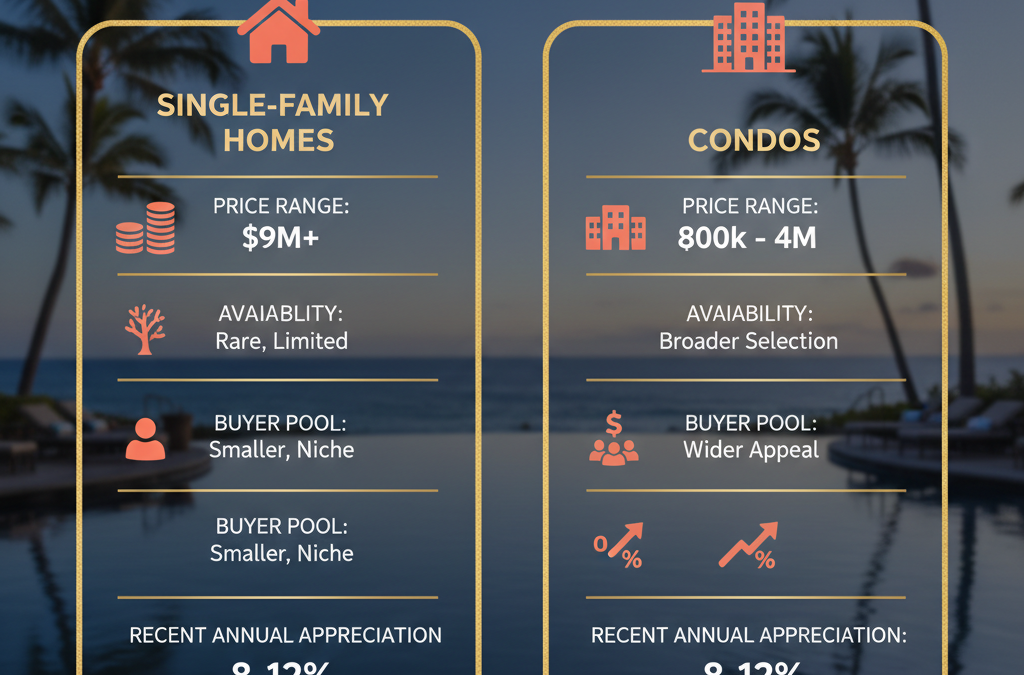
- Strategic Housing Decisions: Be prepared for a competitive luxury housing market. Whether you are considering a second home in Hualalai or a vacation rental in Mauna Kea, understanding local market nuances is critical. Renting initially can provide flexibility.
- Logistics Demand Foresight: Shipping vehicles and household goods is costly and time-consuming. The Kona-Kohala Relocation Blueprint emphasizes early planning and careful cost-benefit analysis.
- Embrace Island Culture: Beyond financial considerations, adapting to a slower pace of life, a unique healthcare landscape, and available educational options is key to a successful transition. Culture shock can occur, but so can the rewards of island living.
- Expert Guidance is Invaluable: Navigating relocation without local, luxury-focused expertise can lead to costly mistakes. Professional guidance provides the insights needed for a seamless move to the Big Island.
Over nearly two decades selling luxury homes on the Kona-Kohala Coast, I have worked with hundreds of affluent individuals considering Hawaii as a second home, vacation rental investment, or permanent relocation.
One of the most common questions I hear is: “What’s the real story behind moving to Hawaii, especially if I am accustomed to a certain standard of living?”
The answer is not magic—it is a system. What I call the Kona-Kohala Relocation Blueprint is the result of years of testing, refinement, and proven results. Rather than simply describing the system, I address the most common questions affluent buyers and sellers ask about relocating to the Kona-Kohala Coast and provide direct, practical answers.
What Is the True Cost of Living in Hawaii for Affluent Individuals on the Kona-Kohala Coast?
Quick Answer: The cost of living in Hawaii for affluent individuals on the Kona-Kohala Coast is significantly higher than the mainland average, often 60–80% more, driven by housing, imported goods, and services.
Many clients arrive with research in hand, yet the scale of Hawaii’s cost structure can still be surprising. It is not simply marginally more expensive; it operates within a distinct economic ecosystem. For those maintaining a luxury lifestyle, nearly every category—from groceries to private school tuition—comes at a premium. A key component of the Kona-Kohala Relocation Blueprint is conducting a personalized financial assessment to align expectations with economic realities. This means looking beyond median statistics and evaluating what it truly costs to sustain a high-end lifestyle.
The reason is largely economic: nearly everything is imported, which increases prices. For example, a gallon of milk can range from $8 to $10, and high-quality produce, while available locally, often costs more than in major mainland cities. Services also reflect this premium. Landscaping for a large estate or accessing specialized medical care typically costs more due to limited supply and higher operating expenses.
Key Takeaways for Luxury Buyers
- Budget for a 60–80% increase over mainland costs for comparable luxury goods and services.
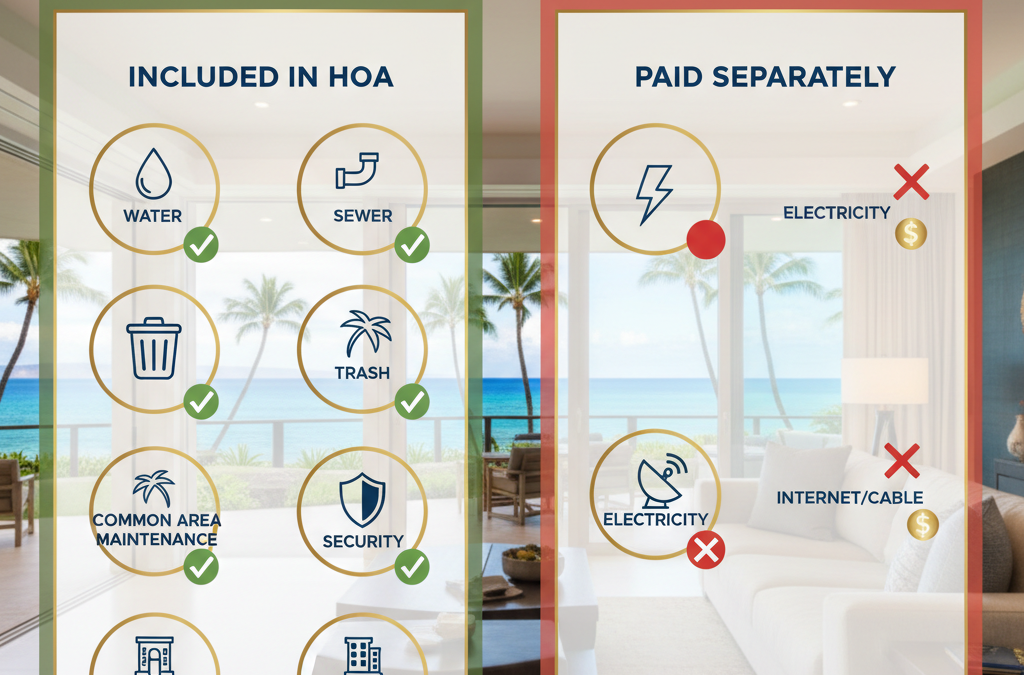
- Plan for higher utility expenses, particularly electricity for air conditioning in larger homes.
- Evaluate ongoing service costs, including property maintenance, healthcare, and education, as part of your long-term financial plan.