Quick answer: The primary distinction lies in climate, lifestyle, and price point. West Hawaii (the Kona–Kohala Coast) is predominantly sunny, resort-centric, and typically commands luxury pricing, making it well-suited for vacation homes and higher-end investments. East Hawaii is wetter, more local, generally more affordable, and is home to the county government.
Key takeaways: choosing your Big Island paradise
- Climate and lifestyle: West Hawaii offers more consistent sunshine and resort amenities, while East Hawaii is lush, rainier, and more residential.
- Investment and price point: Luxury pricing is more common on the Kona–Kohala Coast due to tourism and second-home demand, while East Hawaii is often more affordable and may offer lower-priced new construction.
- Population and infrastructure: The West Side concentrates many resorts and tourism-related revenue, while the East Side is home to a large share of the island’s population and many county services.
- Driving factors: Tourism and luxury second homes shape the West, while local living and affordability characterize the East.
Over nearly two decades selling luxury homes on the Kona–Kohala Coast, I’ve worked with hundreds of buyers considering Hawaii as a second home or vacation rental investment. One of the most common questions I hear is: “What’s the real difference between West Hawaii and East Hawaii, and which is right for me?”
The answer isn’t magic—it’s a system. What I call the Polimino Market Clarity System is the result of years of testing and refinement. Rather than just describing the system, here are three of the most common questions buyers ask about the Big Island’s distinct sides, along with straightforward answers that explain how we evaluate the differences.
Is the West Side of Hawaii really sunnier than the East Side, and how does that affect my vacation rental income?
Quick answer: Yes. The Kona–Kohala Coast (West Side) is generally sunnier and drier, which typically correlates with higher demand for vacation rentals and luxury second homes, supporting premium pricing and rental performance.
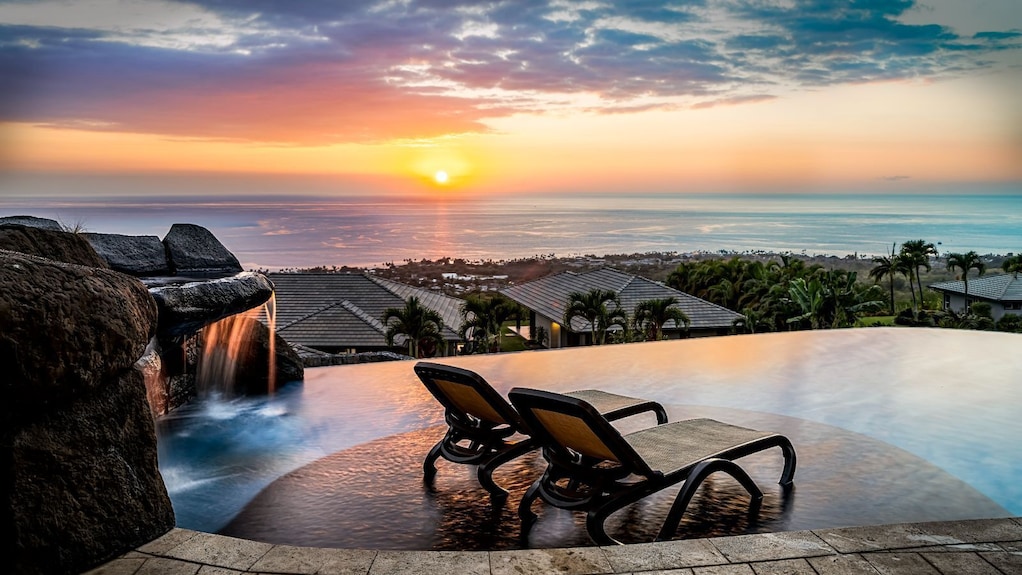
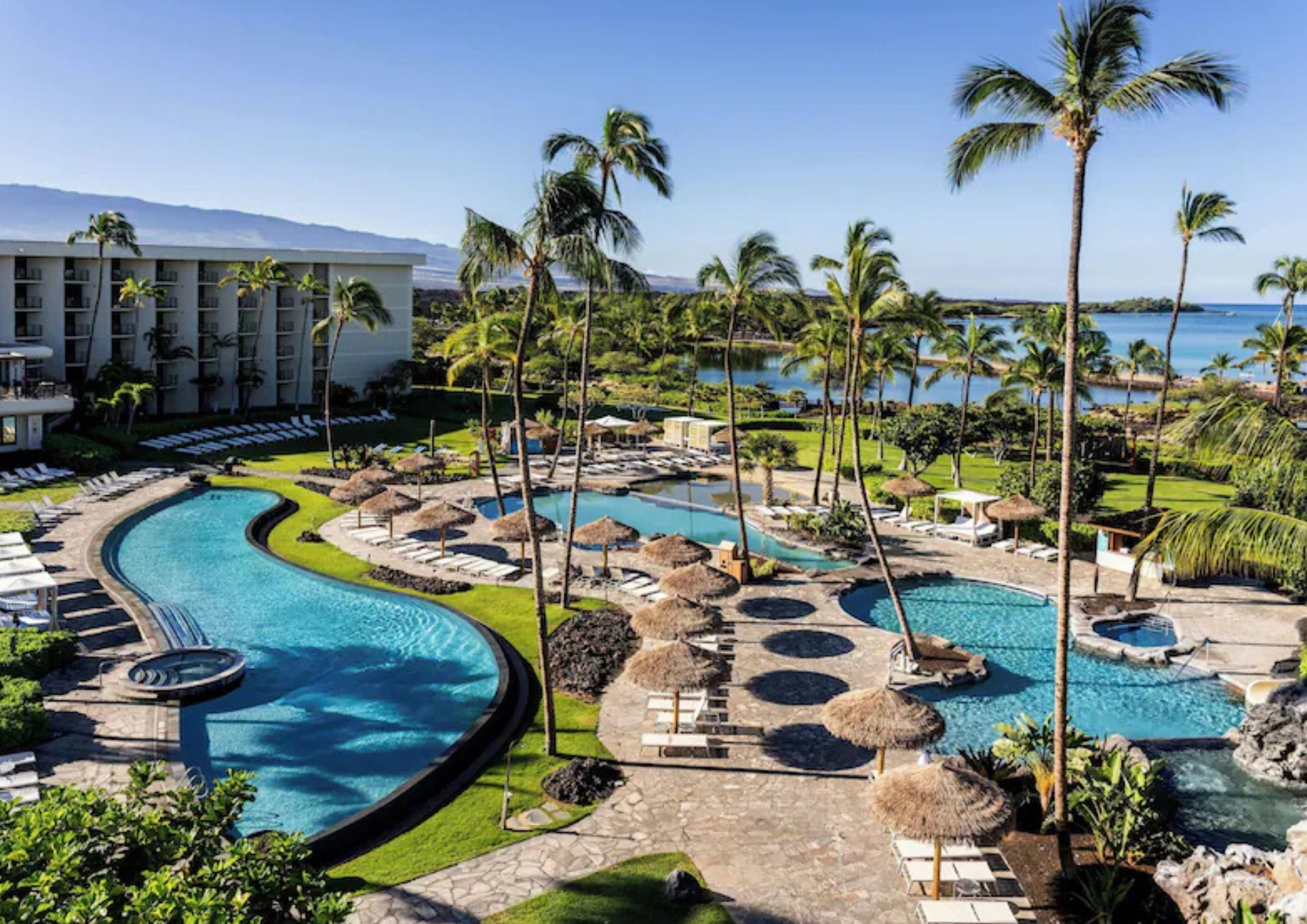
This is one of the first questions I ask clients: “Do you want to be on the east side or the west side?” The climate difference is significant and foundational to understanding the island’s real estate market. The West Side, particularly the Kona–Kohala Coast—where resorts like Mauna Kea Resort, Hualalai Resort, Mauna Lani Resort, and Waikoloa Beach Resort are located—tends to have more consistent sunshine. These areas were developed in large part because travelers tend to prefer drier weather for resort vacations. That predictable climate is an important lens in the Polimino Market Clarity System when evaluating investment potential.
By contrast, the East Side, including the Hilo area, is known for higher rainfall and lush tropical landscapes. It’s beautiful, but it’s often less aligned with the expectations of travelers seeking sun-forward beach and resort experiences. In simple terms: where the resort demand concentrates, vacation-rental demand usually follows.
Real example (rental range): Depending on season, view, and amenities, a luxury oceanfront condo in a West Side resort area may command roughly $800–$1,500+ per night and can generate substantial annual rental income with strong occupancy. Comparable performance is typically harder to achieve on the East Side due to different demand patterns and less resort concentration.
How much more expensive is a luxury home on the Kona–Kohala Coast compared to the East Side of the Big Island?
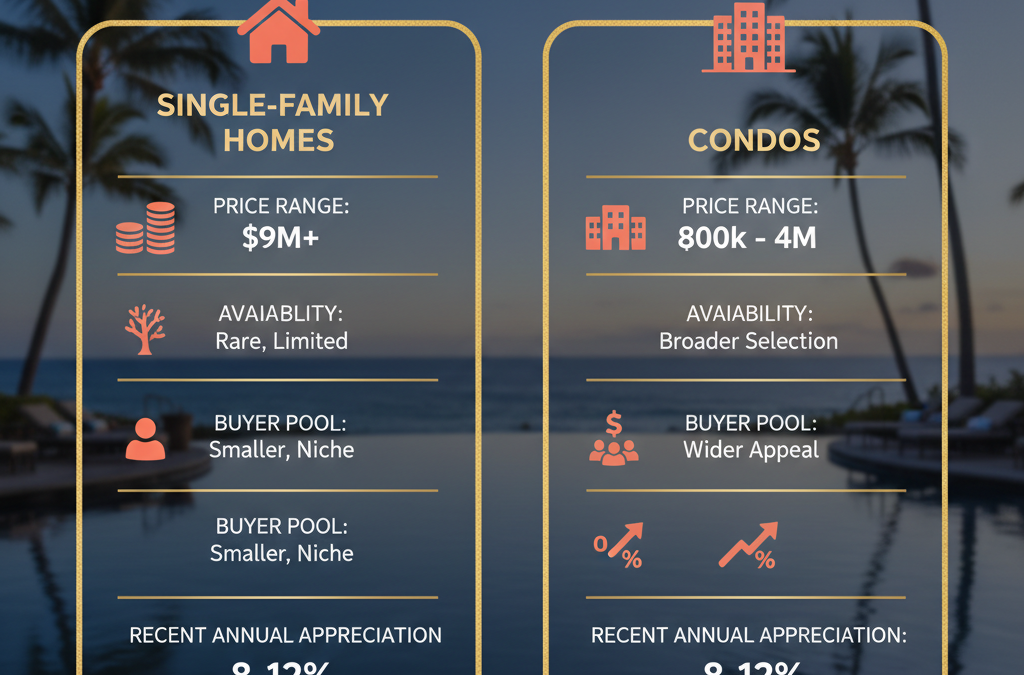
Quick answer: A luxury single-family home on the Kona–Kohala Coast can cost two to three times (or more) than a comparable new-construction home on the East Side, reflecting the premium for location, climate, and resort-adjacent amenities.
Pricing is often the most dramatic difference between the two sides, and it’s a key factor in the Polimino Market Clarity System for budgeting and strategy. On the Kona–Kohala Coast, an “average” single-family home can land in a much higher range than many buyers expect, driven by limited supply, second-home demand, and proximity to world-class resorts.
On the East Side, buyers can often find well-built homes and new construction at significantly lower price points, sometimes on larger parcels. That value comes with trade-offs, including a wetter climate, different infrastructure patterns, and a more local (less resort-oriented) lifestyle. The right choice depends on what you value most: sun and resort proximity, or space and affordability.
Real example (contrast): In premier West Side luxury communities such as Kūkiʻo, prices can start in the eight figures and rise significantly higher. On the East Side, a budget around $500,000 may support a newer home with more land, depending on location and specifics.
Where are the wealth and economic drivers located, and how does that impact my investment property on the Big Island?
Quick answer: Much of the Big Island’s tourism revenue and luxury real estate activity is concentrated on the Kona–Kohala Coast (West Side), which can influence property values, rental demand, and long-term investment dynamics in resort-area markets.
This point often surprises people, but it matters when assessing market behavior. While many residents live on the East Side due to affordability and housing patterns, the West Side concentrates many of the island’s major resorts and a large portion of visitor activity. That concentration supports higher-end real estate values and vacation-rental demand in West Side resort corridors.
The East Side, including Hilo, plays a different role. It is home to county government and supports a more residential economy with local commerce and agriculture as important components. For buyers, this translates into two distinct investment profiles: resort-driven demand on the West Side and local-living fundamentals on the East Side.
Real example (context): Although the West Side has a smaller resident population than the East Side, resort guests, second-home owners, and visitor spending can make its tourism-driven economy disproportionately influential in the luxury segment.
The bottom line: your Big Island investment
Choosing between West and East Hawaii for a second home or vacation rental typically comes down to priorities: sunshine, resort amenities, and tourism-driven demand versus affordability, lush landscapes, and a more local lifestyle. My role—and the purpose of the Polimino Market Clarity System—is to help you weigh those trade-offs with clear, practical insight.
I would not be surprised to see the Kona–Kohala Coast continue to be a primary driver of luxury real estate value and vacation-rental demand on the Big Island. We would be honored to be of service.
Frequently asked questions
Q: Which side of Hawaii is better for families considering a luxury vacation rental?
A: For families prioritizing sunshine, resort activities, and easy access to beaches and dining, the Kona–Kohala Coast (West Side) is often preferred. Areas like Waikoloa Beach Resort are known for family-friendly amenities.
Q: Where are the best luxury resorts located on the Big Island?
A: Many premier luxury resorts—including Mauna Kea Resort, Hualalai Resort, Mauna Lani Resort, and Kohanaiki—are located along the Kona–Kohala Coast on the West Side.
Q: What are the main economic drivers of each side of the Big Island?
A: The West Side is strongly influenced by tourism, hospitality, and high-end real estate. The East Side, particularly around Hilo, is more oriented around local government, residential communities, and agriculture.
Q: Can I find new construction luxury homes on both the East and West Sides?
A: Yes, but “luxury” looks different on each side. West Side new luxury homes are often multi-million-dollar estates in resort communities, while East Side new construction is typically more affordable and geared toward full-time living.
Q: Is it harder to manage a vacation rental on the East Side due to the rain?
A: Rain doesn’t necessarily make management harder, but demand is often lower for vacation rentals on the East Side due to climate preferences and fewer resort-style visitor hubs. That can translate to lower occupancy and potentially lower rental income compared to many West Side markets.