Quick Answer: Kiplinger’s 2008 “Best Places to Live” list focused on affordability, job markets, and general community metrics that do not align with Hawaii’s unique luxury second-home market. For high-net-worth individuals, Hawaii—particularly the Kona-Kohala Coast—offers exceptional lifestyle advantages and strong long-term appreciation potential, making it a distinct investment category separate from typical livability rankings.
Key Takeaways: Understanding Hawaii’s Unique Luxury Market
- Kiplinger’s Criteria: The 2008 list emphasized affordability and job growth, which are not the main considerations for luxury second-home buyers.
- Hawaii’s Value Proposition: For luxury buyers, Hawaii offers exclusive amenities, world-class resorts such as Hualalai and Mauna Kea, and a unique island lifestyle.
- Investment vs. Livability: While the general cost of living is high, luxury properties on the Kona-Kohala Coast have demonstrated strong appreciation and vacation rental potential.
- Market Resilience: Luxury real estate markets often behave differently from national housing trends and can remain stable even when broader markets fluctuate.
Over nearly two decades of selling luxury homes on the Kona-Kohala Coast, many buyers considering Hawaii as a second home or vacation rental investment have asked the same question: Why isn’t Hawaii included on many national “best places to live” lists, and does that make it a poor investment?
The answer is that these lists measure very different criteria. What some advisors describe as a structured approach to evaluating luxury real estate comes from years of observing how high-end markets operate differently from typical housing markets. The following sections address common questions buyers ask about national rankings and how they relate to luxury real estate decisions.
Why do national “best places to live” lists overlook luxury markets like the Kona-Kohala Coast?
National “best places to live” lists are typically designed for the average buyer seeking a primary residence. Their rankings usually focus on affordability, job opportunities, commuting times, and public services.
These criteria do not reflect the priorities of luxury second-home buyers. Median home prices and cost-of-living indexes, for example, do not capture the value of exclusive locations, private amenities, and limited inventory found in luxury markets such as Hualalai Resort or Mauna Kea Resort.
How do the investment returns of a luxury second home in Hawaii compare with highly ranked cities?
Investment considerations for luxury second homes differ from those used to evaluate typical residential markets. Cities with strong employment growth may attract primary residents, but luxury resort markets often draw international buyers seeking lifestyle properties and long-term asset appreciation.
A well-managed vacation rental property in areas such as Mauna Kea can generate meaningful rental income while also benefiting from long-term appreciation driven by scarcity, desirable location, and global demand.
Is Hawaii too expensive for a second home, or is the value proposition different for luxury buyers?
For luxury buyers, value is measured not only by price but also by lifestyle, privacy, and long-term desirability. Purchasing a property on the Kona-Kohala Coast often means access to private golf courses, beach clubs, resort amenities, and a unique island environment.
Rather than simply comparing home prices with other U.S. cities, luxury buyers typically evaluate the broader experience and the long-term value of owning property in a highly limited and globally recognized destination.
What lifestyle advantages do communities like Hualalai or Mauna Kea offer?
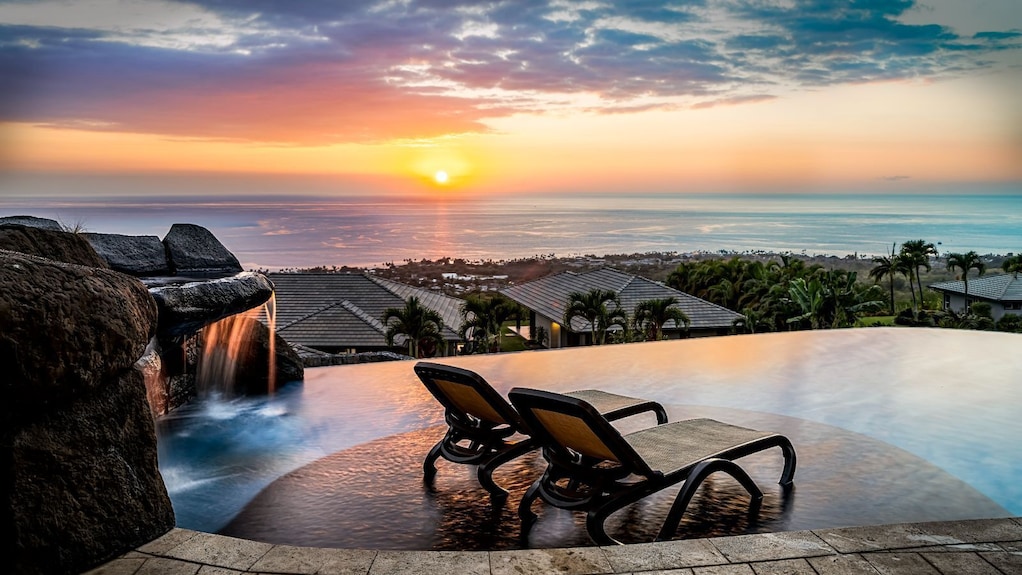
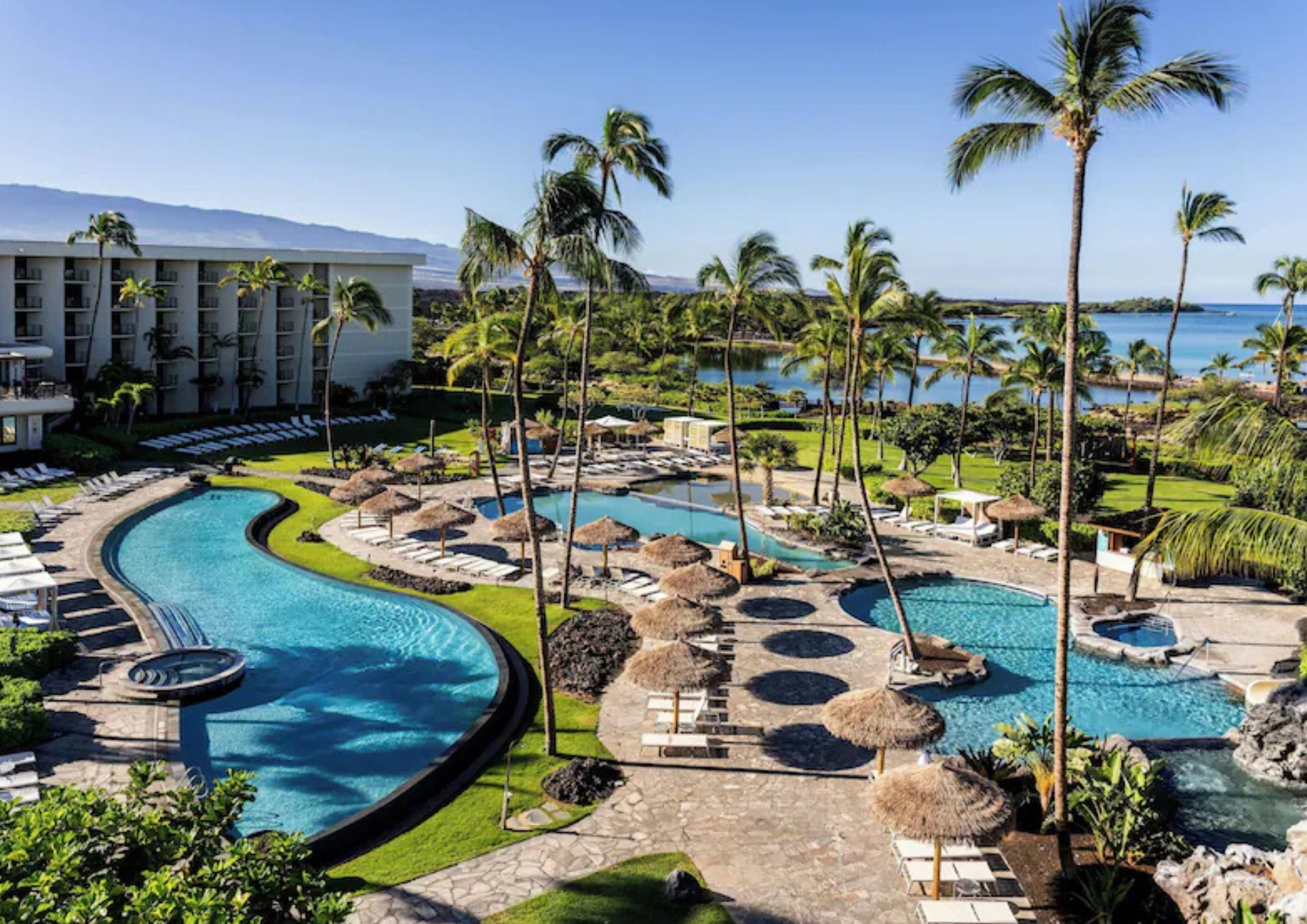
Resort communities on the Kona-Kohala Coast offer a lifestyle centered on privacy, recreation, and natural beauty. Residents may enjoy ocean views, championship golf courses, private beaches, resort dining, and spa facilities within a secure and exclusive environment.
This lifestyle differs significantly from urban environments. While large cities may offer cultural attractions and business opportunities, resort communities emphasize relaxation, outdoor recreation, and year-round tropical climate.
Can a Hawaii vacation rental be managed from the mainland?
Yes. Many owners live outside Hawaii and rely on professional property management companies to oversee their vacation rental properties. These services typically handle guest bookings, property maintenance, and operational management.
With professional management in place, owners can benefit from rental income and long-term property appreciation while also retaining the ability to use the home personally as a vacation retreat.
The Bottom Line: Invest Where Lifestyle and Financial Goals Align
National “best places to live” rankings serve a general audience, but they do not fully represent the dynamics of luxury second-home markets such as the Kona-Kohala Coast. For affluent buyers, the decision often involves lifestyle preferences, long-term asset value, and access to exclusive environments.
Understanding how luxury markets differ from general housing rankings can help buyers make more informed real estate investment decisions.
Frequently Asked Questions
Q: Is the Hawaii luxury market recession-proof?
A: No real estate market is completely recession-proof. However, luxury markets in highly desirable locations often demonstrate resilience because of limited inventory and strong demand from high-net-worth buyers.
Q: What appreciation rates do luxury homes in areas like Hualalai or Mauna Kea experience?
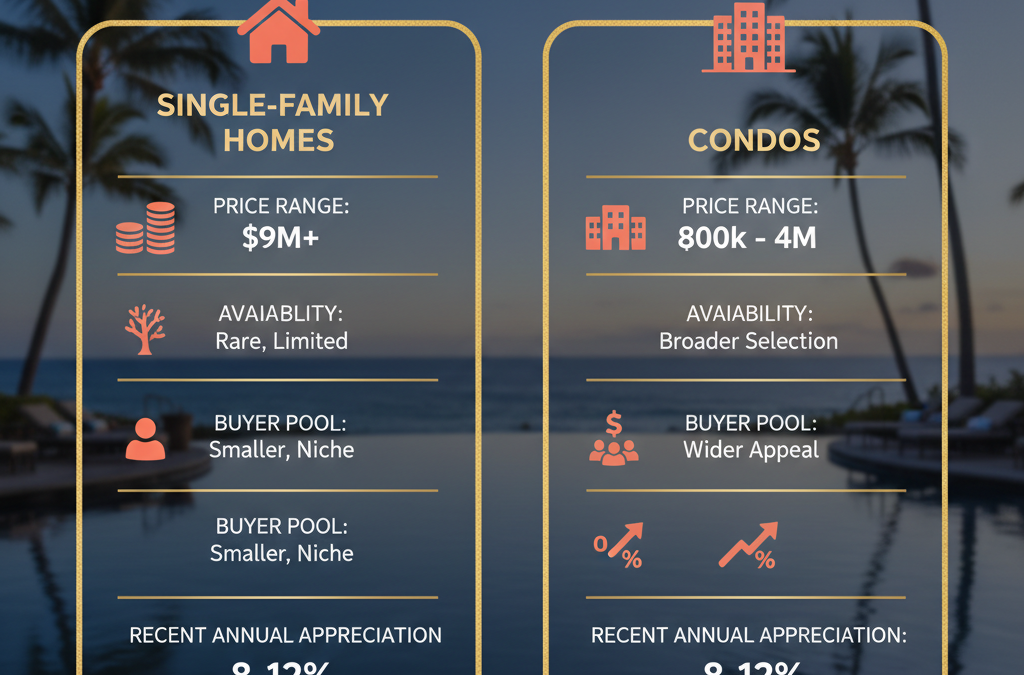
A: Appreciation varies by market conditions and property type. Historically, luxury properties in desirable resort communities have experienced steady long-term value growth.
Q: Are there tax benefits to owning a second home or vacation rental?
A: Depending on how the property is used, owners may qualify for deductions related to mortgage interest, property taxes, and rental expenses. Buyers should consult a qualified tax professional for guidance.
Q: Are ownership costs higher in resort communities?
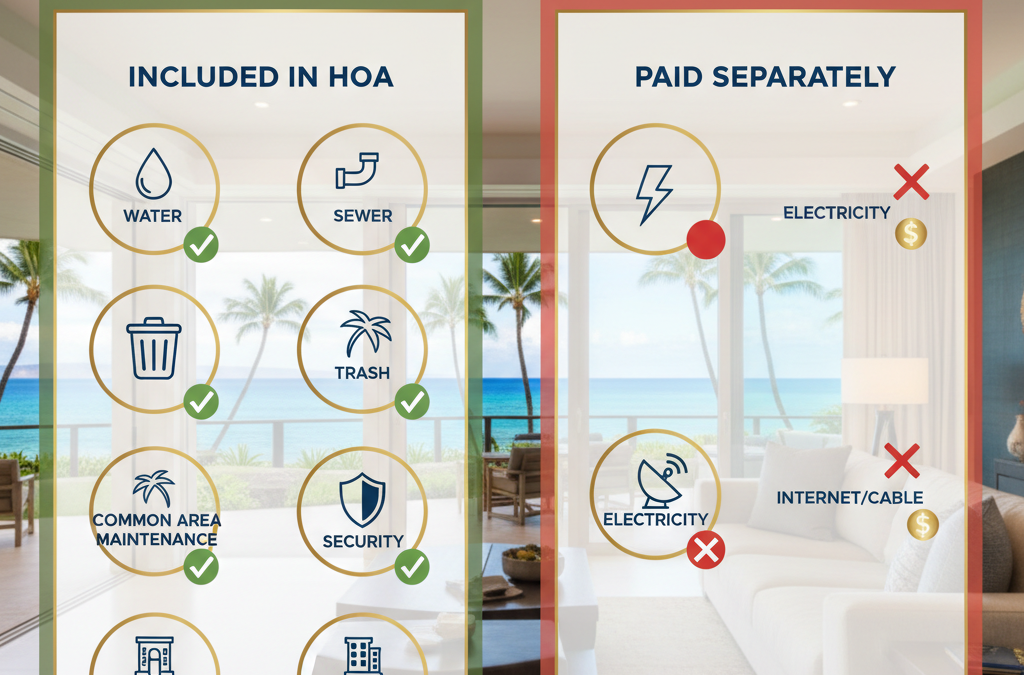
A: Ownership costs in luxury resorts can be higher due to extensive amenities, maintenance services, and community facilities.
Q: What makes the Kona-Kohala Coast unique compared with other Hawaiian locations?
A: The Kona-Kohala Coast is known for its sunny climate, luxury resort communities, championship golf courses, and a more private atmosphere that appeals to many luxury property buyers.