
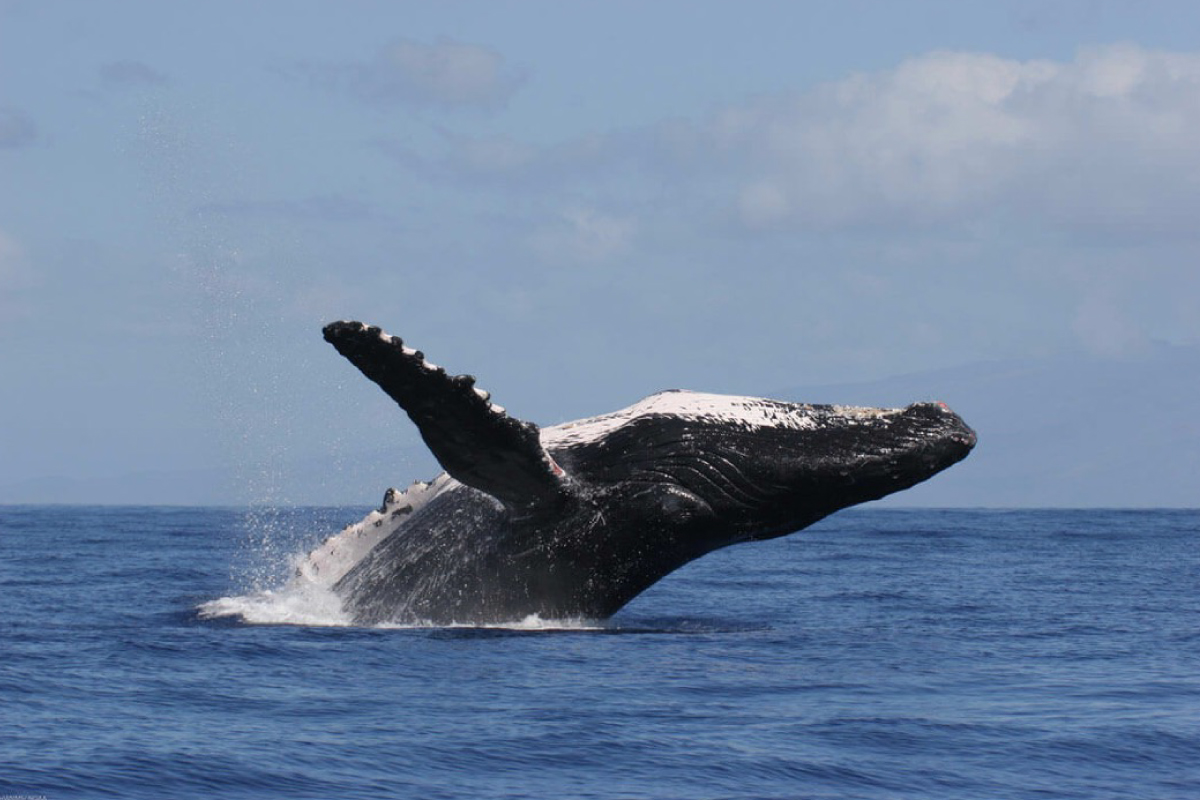
Quick Answer: The prime whale watching season on the Kona-Kohala Coast runs from January through March, offering exceptional opportunities to view humpback whales from boat tours or coastal vantage points. For an oceanfront dining experience, The CanoeHouse at Mauna Lani Auberge Resort features a seasonal, locally inspired Hawaiian menu complemented by panoramic sunset views.
Key Takeaways: Experiencing the Big Island’s Winter Highlights
- Peak Whale Season: Humpback whales migrate to Hawaiʻi from November through May, with the highest concentration and activity typically occurring between January and March.
- Multiple Viewing Options: Whale watching is available through guided boat tours departing from local harbors or from shoreline lookouts and beaches along the west side of the island.
- Oceanfront Dining: The CanoeHouse at Mauna Lani Auberge Resort offers refined Hawaiian-inspired cuisine using fresh, locally sourced ingredients.
- Memorable Ambiance: Open-air seating, sunset views over the Pacific, and attentive service create a distinctive dining experience.
- Seasonal Experiences: Both whale migration and culinary menus reflect Hawaiʻi’s natural seasonal rhythms.
For those spending winter on the Kona-Kohala Coast, two standout experiences define the season: witnessing migrating humpback whales and enjoying oceanfront dining at one of the region’s premier restaurants.
When Is the Best Time to See Humpback Whales in Hawaiʻi?
Quick Answer: The best time to see humpback whales is from January through March, and a dedicated boat tour provides the most immersive experience.
Each winter, humpback whales migrate approximately 3,000 miles from Alaska to the warm waters surrounding Hawaiʻi to breed, calve, and nurse their young. This migration makes the Kona-Kohala Coast a prime viewing location.
Whales can often be seen from shore at beaches and coastal trails along the west side of the island. However, guided boat tours offer a closer and more comprehensive experience, including the opportunity to hear whale songs through onboard hydrophones while maintaining required viewing distances.
During peak season, whale sightings are highly consistent, and morning ocean conditions often provide optimal viewing opportunities.
Where Can I Find Exceptional Oceanfront Dining on the Kohala Coast?
Quick Answer: The CanoeHouse at Mauna Lani Auberge Resort is widely regarded as one of the premier oceanfront dining destinations on the Kohala Coast.
The CanoeHouse combines locally sourced ingredients with contemporary Hawaiian culinary influences. The menu changes seasonally to reflect fresh island produce and seafood. Guests can expect refined preparations of locally caught fish, premium meats, and thoughtfully crafted vegetarian options.
The open-air setting directly along the shoreline offers expansive ocean views and memorable sunsets. Evening reservations, particularly during high season from December through April, are strongly recommended.
The Bottom Line: Winter on the Kona-Kohala Coast
From the annual migration of humpback whales to refined oceanfront dining experiences, winter on the Kona-Kohala Coast offers distinctive natural beauty and elevated lifestyle amenities. These seasonal highlights contribute significantly to the appeal of the region for both visitors and property owners.
Frequently Asked Questions
When is whale watching season in Hawaiʻi?
Whale season officially runs from November through May, with peak activity typically between January and March.
Do I need reservations for The CanoeHouse?
Reservations are highly recommended, especially for sunset dining times and during peak visitor months.
Can whales be seen from shore?
Yes, whales are often visible from beaches and coastal viewpoints along the Kona-Kohala Coast during peak season.
What type of cuisine does The CanoeHouse serve?
The restaurant features locally inspired Hawaiian cuisine with a focus on seasonal ingredients, fresh seafood, and premium meats.
Is winter a good time to visit the Kohala Coast?
Yes. Winter offers mild weather, active whale migration, and a vibrant dining scene, making it one of the most desirable seasons to visit or reside on the Big Island’s west coast.