Quick Answer: Hawaii real estate, particularly on the Kona-Kohala Coast, is generally not suited for generating significant positive cash flow due to high property prices and elevated operating costs. However, it offers strong long-term appreciation potential and exceptional lifestyle benefits, making it attractive for investors who prioritize wealth growth and personal enjoyment over immediate rental income.
Key Takeaways: Investing on the Kona-Kohala Coast
- Appreciation Focus: Expect long-term capital appreciation rather than consistent positive cash flow.
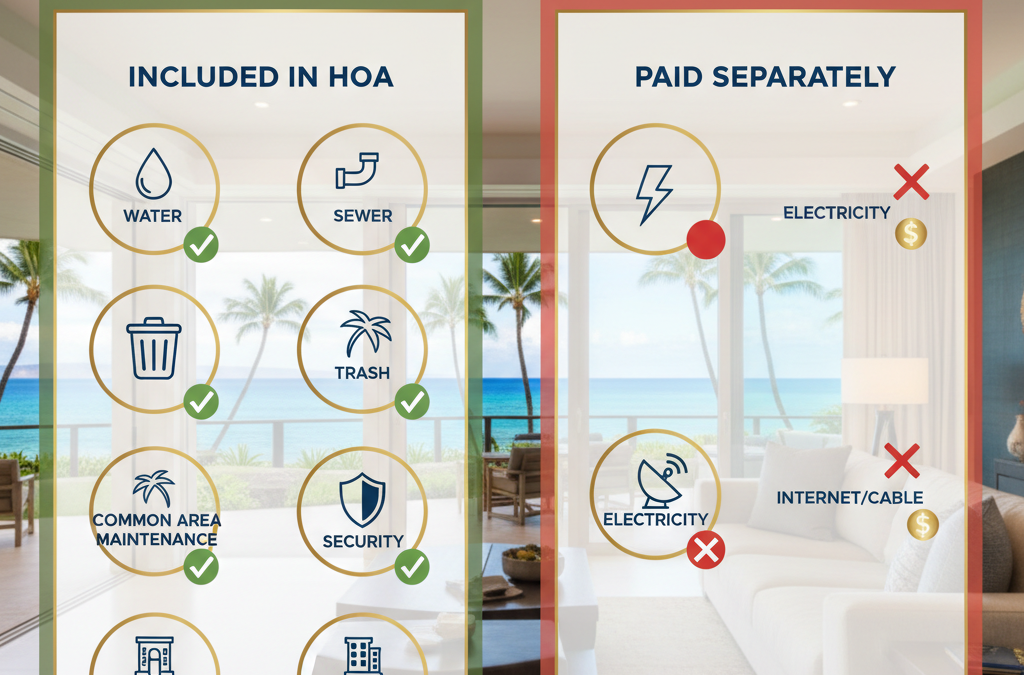
- High Ownership Costs: Purchase prices, property taxes, insurance, HOA dues, utilities, and management fees significantly affect rental profitability.
- Lifestyle Value: Ownership provides access to world-class resorts, natural beauty, and a distinctive island lifestyle.
- Limited Supply: Scarcity of land and strong global demand support long-term value growth.
- Professional Guidance: Local market expertise is essential when evaluating appreciation-focused opportunities.
Over nearly two decades of selling luxury homes on the Kona-Kohala Coast, one of the most common questions buyers ask is whether Hawaii real estate should be viewed as a cash-flow investment or primarily as a long-term appreciation strategy.
The reality is that this market behaves differently from many mainland investment markets. Understanding acquisition costs, operating expenses, appreciation trends, and lifestyle considerations is critical before making a decision.
Why Is Positive Cash Flow Difficult to Achieve?
Quick Answer: High purchase prices combined with substantial operating expenses make consistent positive cash flow uncommon for luxury vacation rentals on the Kona-Kohala Coast.
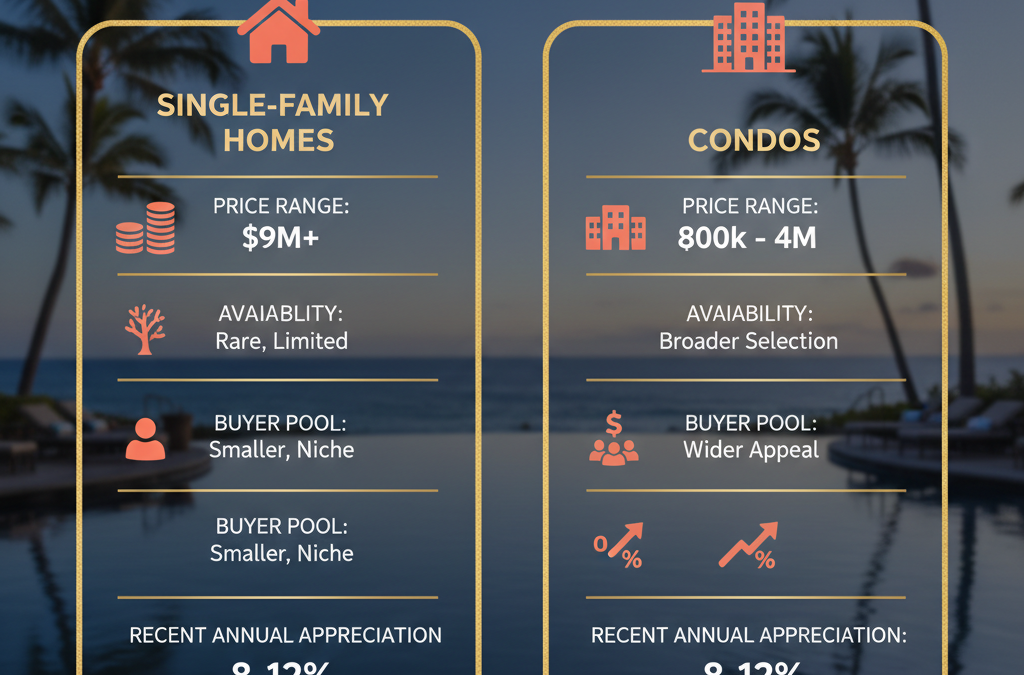
Luxury properties in resort communities such as Mauna Lani, Hualalai, and Mauna Kea often carry multimillion-dollar price tags. When financing is involved, mortgage payments alone can be significant. Even with strong seasonal rental income, total expenses frequently offset most or all of the revenue.
In addition to acquisition costs, ongoing expenses include property taxes, insurance, utilities, HOA dues, maintenance, furnishings, and property management fees. Management services for vacation rentals commonly range from 20% to 30% of gross rental income. Hawaii’s general excise and transient accommodation taxes further reduce net returns.
For example, a $3 million luxury villa may generate substantial gross rental income during peak travel seasons. However, after accounting for taxes, insurance, HOA fees, maintenance, utilities, and management costs, the remaining net income often covers expenses rather than producing significant profit—especially if the property is financed.
Why Is the Kona-Kohala Coast Strong for Long-Term Appreciation?
Quick Answer: Limited land supply and consistent high demand from affluent buyers create favorable conditions for long-term property appreciation.
Hawaii’s geography inherently limits development. Oceanfront parcels and resort-zoned properties are finite resources. This scarcity, combined with ongoing demand from domestic and international buyers, supports sustained property value growth.
The Kona-Kohala Coast in particular benefits from its reputation for luxury resorts, stable governance within the United States, and global appeal as a premier destination. These factors contribute to long-term confidence among high-net-worth buyers.
Historical market data has shown consistent upward trends over extended periods. While short-term fluctuations can occur, well-located properties in established resort communities have often demonstrated strong appreciation over time, making them attractive as long-term assets.
What Are the Lifestyle Benefits Beyond Financial Returns?
Quick Answer: Ownership provides access to a premier resort lifestyle, natural beauty, recreational amenities, and personal retreat value that cannot be measured solely in financial terms.
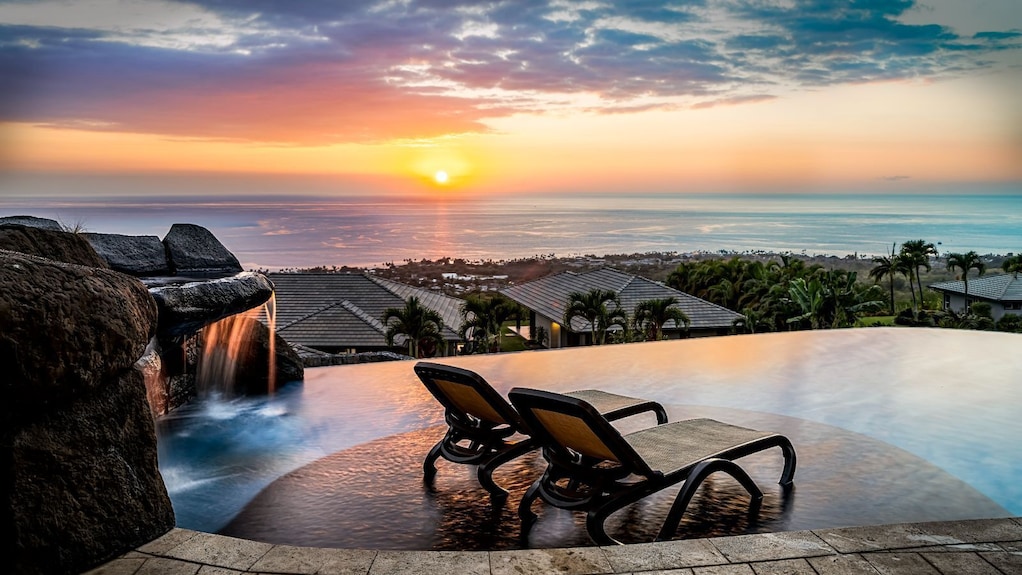
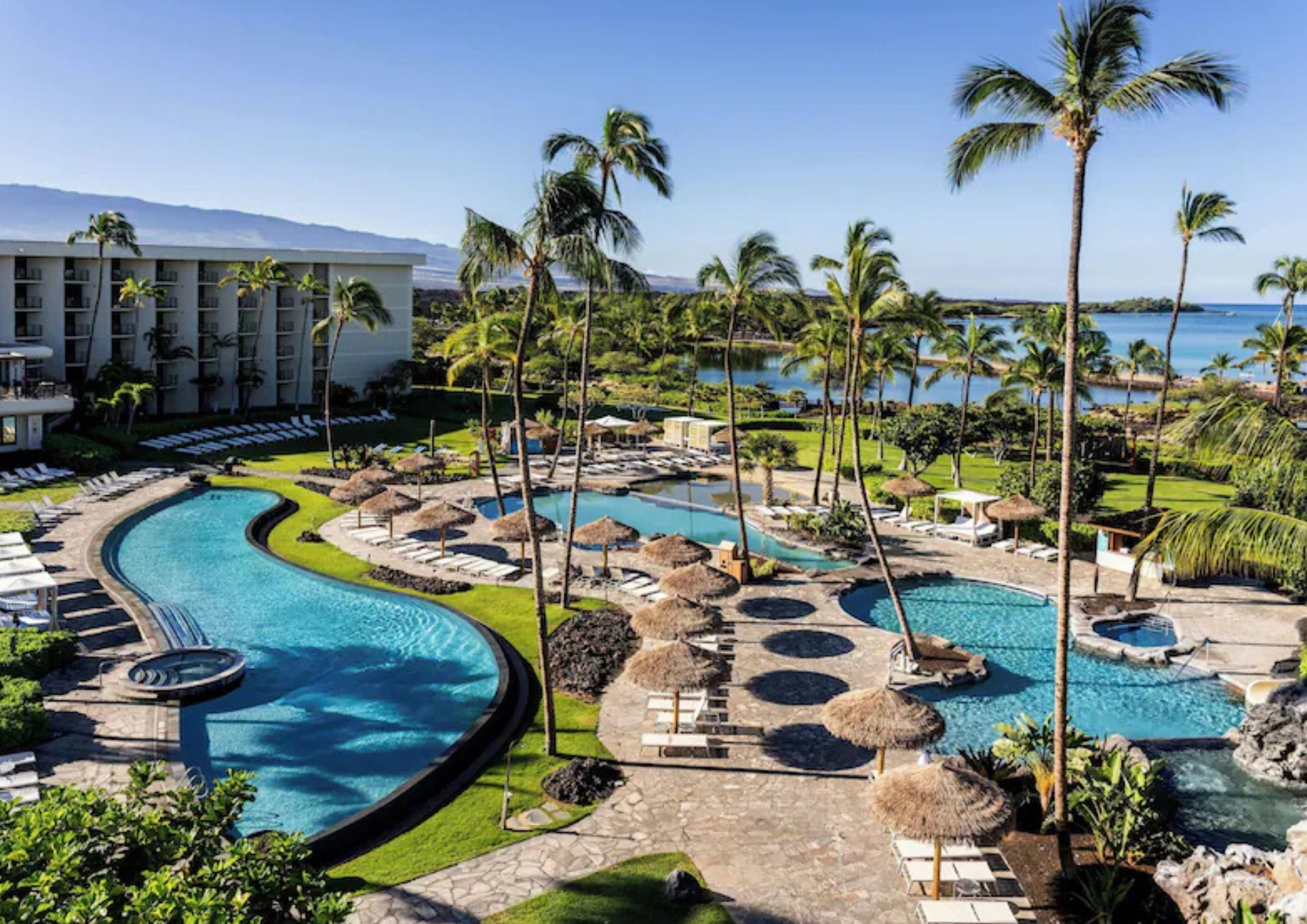
Many buyers are motivated by lifestyle considerations as much as financial ones. Owning a second home on the Kona-Kohala Coast offers access to championship golf courses, private beaches, ocean activities, fine dining, and year-round outdoor living.
For families, a second home can serve as a gathering place and long-term retreat. For others, it provides an escape from colder climates or demanding professional environments. While rental income may help offset expenses, the personal enjoyment and convenience of ownership are often considered equally valuable.
Some owners find that the annual cost of repeated luxury vacations approaches or exceeds the carrying costs of owning a property. In such cases, ownership can provide both consistent access and long-term equity growth.
The Bottom Line
Real estate on the Kona-Kohala Coast is typically best viewed as a long-term appreciation investment combined with significant lifestyle benefits. Investors seeking strong immediate cash flow may find the market challenging. Those focused on capital preservation, appreciation, and personal enjoyment often find it compelling.
Careful financial analysis, realistic expectations, and local expertise are essential when evaluating opportunities in this unique market.
Frequently Asked Questions
Can I generate positive cash flow from a luxury vacation rental?
While exceptional properties may occasionally break even or produce modest profit in strong years, most luxury homes are not primarily cash-flow investments. Rental income typically offsets expenses rather than generating substantial net returns.
How does limited supply affect appreciation?
Hawaii’s finite land availability, especially in oceanfront and resort areas, restricts new development. Combined with sustained demand, this supply constraint supports long-term value growth.
What are typical operating costs?
Owners should account for property taxes, HOA dues, insurance, utilities, maintenance, and management fees. Collectively, annual operating costs may represent several percentage points of the property’s value.
Are some resort communities better for rental income?
Properties with lower acquisition prices may show relatively stronger rental yield percentages. However, most luxury resort markets on the Kona-Kohala Coast are appreciation-driven rather than cash-flow-focused.
What should investors evaluate before purchasing?
Buyers should review total acquisition costs, projected operating expenses, realistic rental income estimates, long-term appreciation trends, and personal lifestyle goals before making a decision.