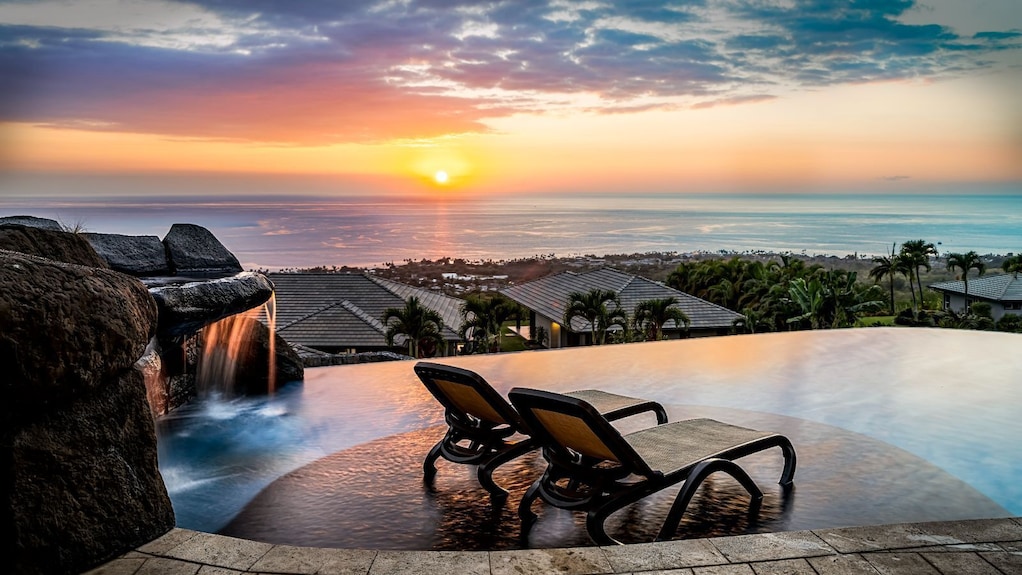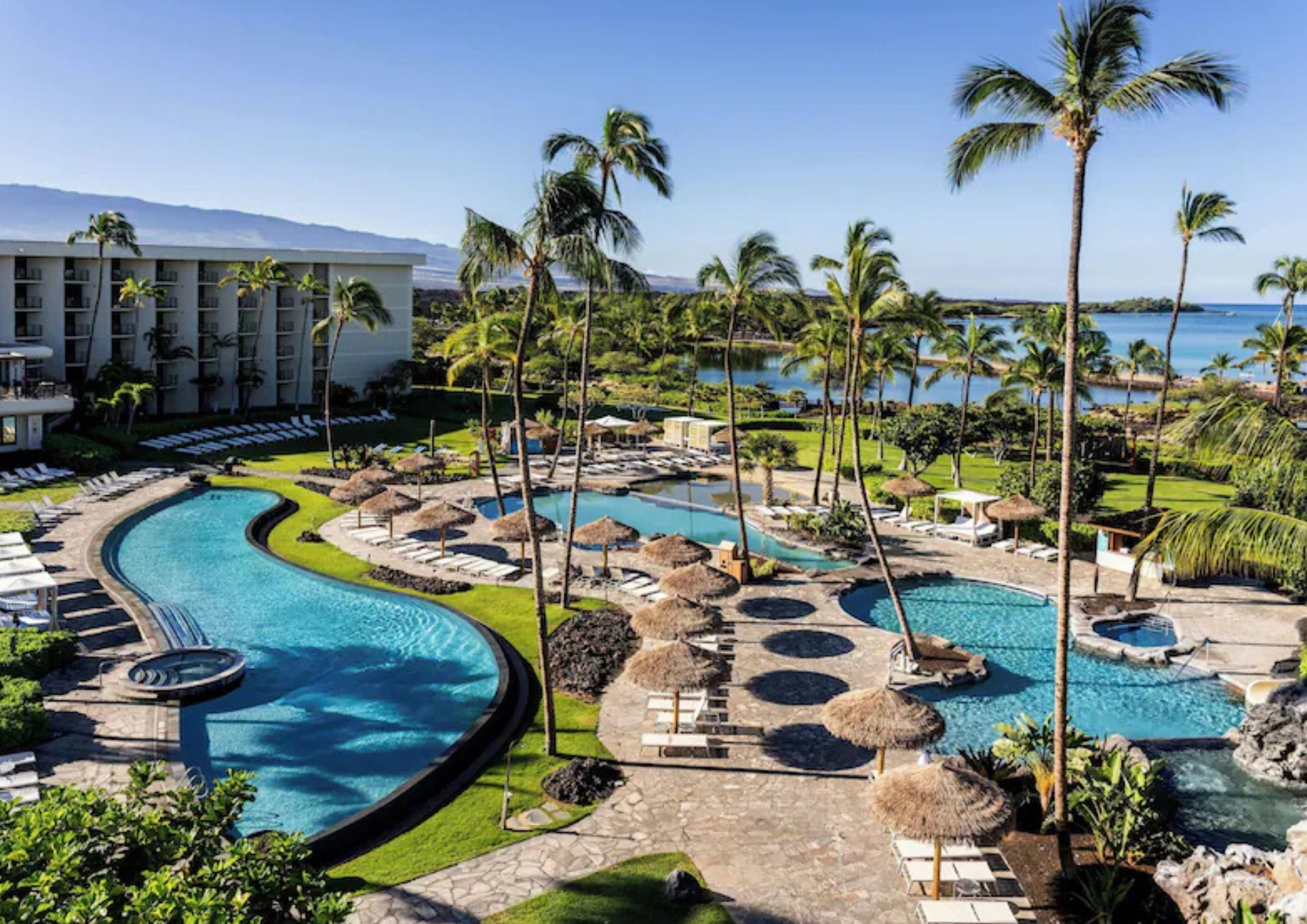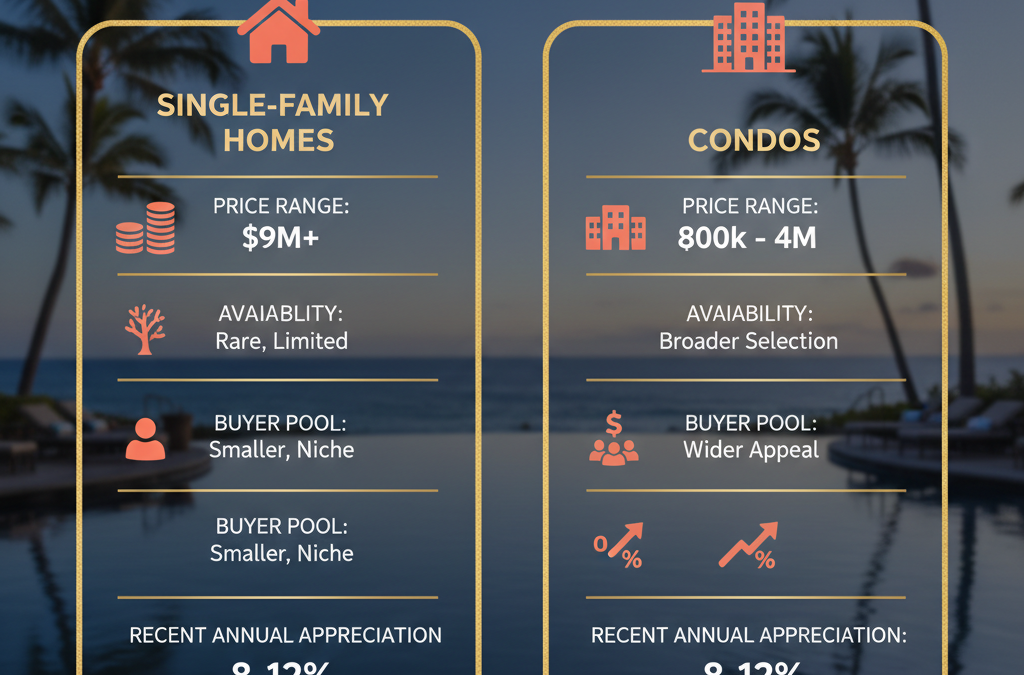
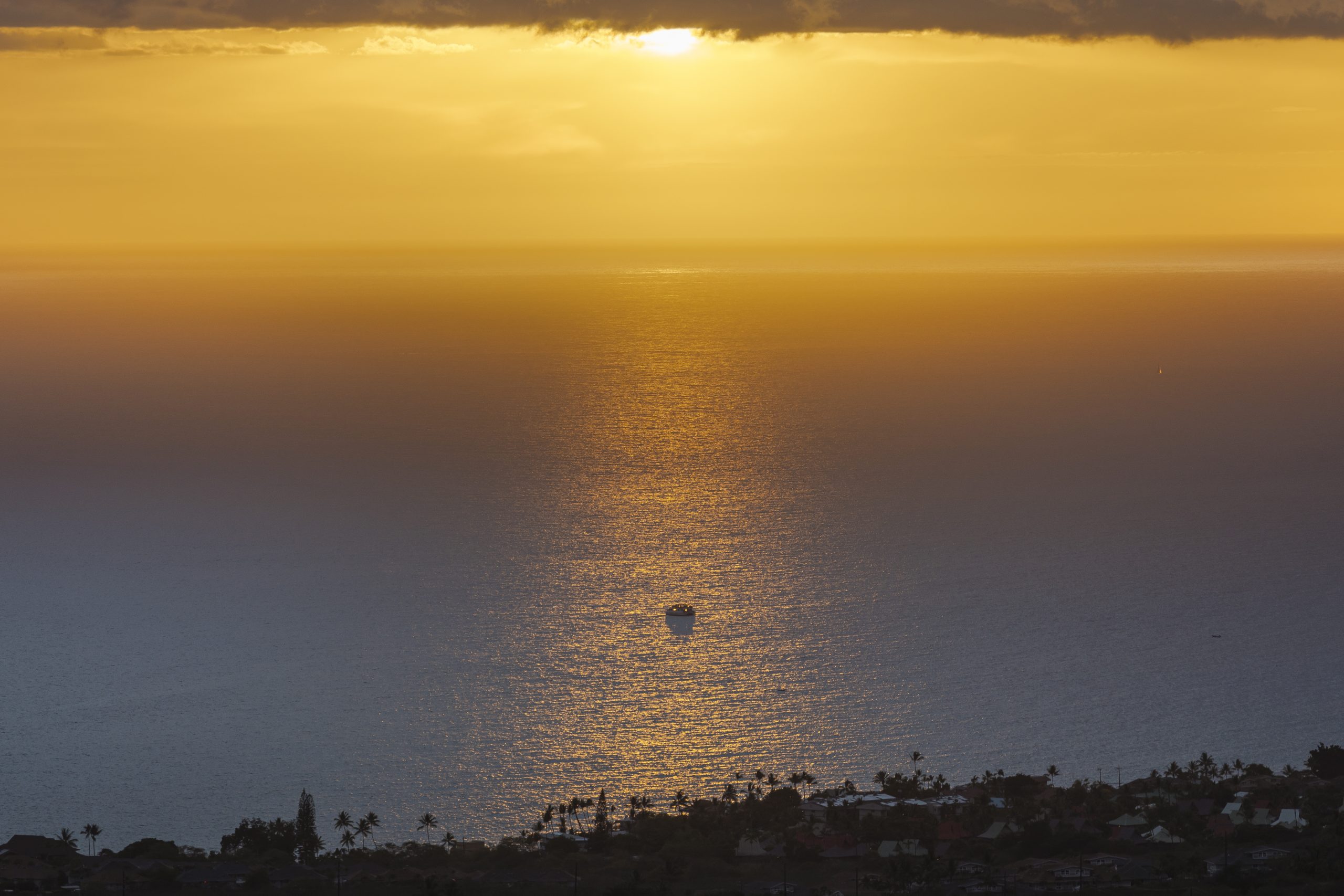
Quick Answer: Deciding between a luxury oceanfront single-family home and an ocean-view condo on the Kona-Kohala Coast depends on your priorities for privacy, maintenance, and budget. Oceanfront homes offer direct access, space, and exclusivity, but they come with significantly higher costs, intensive maintenance due to environmental exposure, and complex insurance considerations. Ocean-view condos, often located within established resorts, provide a more accessible entry point with managed amenities and reduced upkeep, though they typically offer less privacy and no direct ocean frontage.
Key Takeaways: Navigating Oceanfront Property Choices on the Kona-Kohala Coast
- Direct Oceanfront Homes: Provide privacy and immediate ocean access but require substantial investment, ongoing maintenance, and specialized insurance due to erosion and salt exposure.
- Ocean-View Condos: Offer ocean vistas, resort amenities, and HOA-managed maintenance, making them ideal for buyers who prioritize convenience and lower personal upkeep.
- High-Rise Ocean Balconies: More common in urban markets such as Honolulu, combining city convenience with panoramic views but offering less direct connection to the shoreline.
- Ocean Access Homes: Deliver coastal lifestyle benefits without the premium costs and environmental risks of direct oceanfront ownership.
- Due Diligence Is Critical: All ocean-adjacent properties require careful evaluation of tsunami zones, flood zones, environmental regulations, and shoreline setback requirements.
What Does It Really Mean to Own Property on the Ocean?
After nearly two decades selling luxury homes on the Kona-Kohala Coast, one of the most common questions I hear is what it truly means to own property on the ocean in Hawai‘i. The answer goes beyond lifestyle appeal. It requires understanding long-term costs, environmental realities, and regulatory considerations.
A structured due diligence process is essential to evaluate not just the beauty of the property, but also the financial, insurance, maintenance, and regulatory factors that affect long-term ownership.
What Are the Hidden Costs and Maintenance Challenges of a Single-Family Oceanfront Home?
Quick Answer: In addition to the purchase price, owners should expect ongoing costs related to erosion mitigation, specialized insurance, and accelerated maintenance caused by salt air and humidity. Annual ownership costs can range from 3% to 5% of the property value or more.
The appeal of waking up to waves and enjoying direct shoreline access is undeniable. However, ocean proximity brings exposure to erosion, storm surge, salt corrosion, and humidity. Protective measures such as seawalls require extensive permitting and may not provide permanent solutions.
Salt air accelerates wear on roofing, paint, HVAC systems, appliances, landscaping, and structural materials. Maintenance cycles are shorter than in inland or mainland properties, requiring larger reserve budgets.
Insurance presents additional challenges. Many properties fall within designated flood zones and require flood insurance. Hurricane coverage is often separate and can carry high premiums. Some high-risk properties may face limited insurance availability.
Example: A $25 million oceanfront estate may carry an annual maintenance budget exceeding $500,000, with flood and hurricane insurance premiums alone surpassing $150,000 per year.
How Does an Ocean-View Condo Compare in Terms of Upkeep and Investment?
Quick Answer: Ocean-view condos typically offer lower personal maintenance responsibilities and a more accessible price point, with homeowners associations handling exterior upkeep and common amenities.
Ocean-view condos within established resort communities provide panoramic views along with amenities such as golf, dining, spa facilities, pools, and security. The homeowners association (HOA) generally manages exterior building maintenance, landscaping, roofing, and common areas.
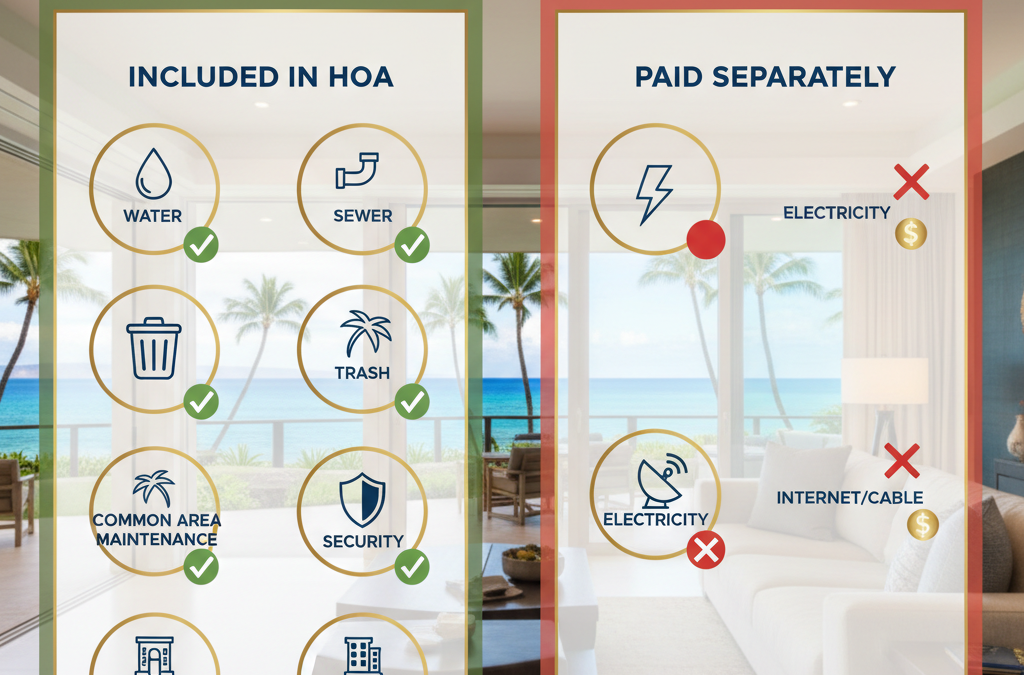
Although HOA fees can be substantial, they consolidate expenses that individual homeowners would otherwise manage separately. For part-time residents, this managed structure reduces logistical challenges.
Many resort condos also participate in rental programs, which can offset ownership costs when the property is not in personal use. Careful review of HOA financials and rental performance is essential before purchasing.
Example: A luxury ocean-view condo priced at $7.5 million may carry monthly HOA dues of approximately $4,500. Gross rental income in strong resort markets can meaningfully offset annual expenses.
What Are the Implications of Tsunami and Flood Zones?
Quick Answer: Properties located in tsunami or FEMA-designated flood zones may require mandatory flood insurance, face construction restrictions, and demand careful evaluation of elevation and evacuation access.
Many ocean-adjacent properties fall within mapped flood zones. Requirements may include elevating structures above base flood elevation levels and maintaining specific construction standards. These factors influence both construction costs and insurance premiums.
Elevation differences can significantly impact risk exposure and insurance requirements. A property at higher elevation may avoid mandatory flood insurance, while a lower-elevation parcel in a coastal high-hazard zone may carry substantial annual premiums.
Reviewing official flood maps, tsunami evacuation routes, and local building regulations is a necessary step in the purchasing process.
Are Ocean Access Homes a Practical Alternative?
Quick Answer: Yes. Homes located near public beaches or private community access points offer a more affordable way to enjoy the coastal lifestyle without direct shoreline exposure.
Ocean access homes may be located a short walk, drive, or golf cart ride from beaches, boat launches, or community shoreline paths. Owners still enjoy swimming, snorkeling, paddleboarding, and fishing without assuming the same erosion risks and maintenance intensity of direct oceanfront property.
These properties typically carry lower insurance costs, reduced structural exposure to salt air, and more manageable long-term maintenance budgets.
Example: A $4 million home near a major beach access point may have annual maintenance and insurance costs roughly one-third of a comparable direct oceanfront property.
The Bottom Line
Owning ocean-adjacent property on the Kona-Kohala Coast can be an exceptional lifestyle investment. However, each option—direct oceanfront, ocean-view condo, or ocean-access home—carries distinct financial, regulatory, and maintenance considerations.
Approaching the decision with clarity, realistic budgeting, and thorough due diligence ensures that the property you select aligns with both your lifestyle goals and long-term financial strategy.
Frequently Asked Questions
Q: How do environmental regulations affect coastal building or renovations?
A: Hawai‘i maintains strict shoreline setback and environmental protection rules. Permitting requirements may limit how close structures can be built to the ocean and regulate landscaping and construction materials.
Q: What do HOA fees typically cover in luxury ocean-view resorts?
A: HOA fees often cover exterior maintenance, landscaping, security, building insurance, common area utilities, and access to resort amenities. Fees vary widely depending on the community and service level.
Q: Are high-rise ocean-view properties common on the Big Island?
A: High-rise luxury condominiums are more typical in urban markets such as Honolulu. The Kona-Kohala Coast market primarily features single-family homes, villas, and low-rise resort condominiums.
Q: Which option offers the most privacy?
A: A single-family oceanfront home generally provides the highest level of privacy. Condominiums involve shared walls and common areas, which reduce overall seclusion.
Q: Why is oceanfront insurance more complex than mainland coverage?
A: Coastal properties often require separate flood and hurricane policies. Environmental exposure and natural hazard risks contribute to higher premiums and more restrictive coverage terms.